
The world of visual art is vast, imaginative, and constantly evolving. From cinematic worlds in video games to expressive editorial visuals, artists use different creative approaches to communicate ideas and stories. One of the most common questions people ask in the creative industry is concept art vs illustration, what exactly sets them apart?
Understanding the difference between concept art and illustration is essential for anyone exploring visual storytelling, creative production, or digital art. While both disciplines involve drawing, creativity, and storytelling, their goals, processes, and roles within creative projects are very different. In this blog, we explore what is the difference between concept art and illustration, how each discipline contributes to modern visual media, and how professional artists bring ideas to life through powerful imagery.
Concept art is the visual foundation of many creative projects, especially in entertainment industries such as video game development, animation, and film production. It focuses on translating an initial idea into visual form so that teams can understand how characters, environments, and objects should look before final production begins. A concept artist works closely with creative teams, including designers and art directors, to establish the visual direction of a project. Their role is not simply to create beautiful images but to develop the visual blueprint of a fictional world.
Concept art is often used during visual development, where artists experiment with multiple designs and interpretations. For example, when creating a character for a video game, the artist may design multiple versions of armor, clothing, posture, and facial features before the final version is chosen.
A common example of this is character concept art, which explores how a character should appear, move, and interact with their environment. Through drawing, digital painting, and concept design, concept artists develop visuals that guide the entire production pipeline. These artworks are rarely intended for public display. Instead, they function as internal references that help production teams understand the creative vision behind a project.
While concept art focuses on development, illustration focuses on communication and storytelling through finished artwork. An illustrator creates polished visuals that are intended to be seen by audiences. Illustrations are used in books, advertising, editorials, marketing campaigns, and digital media. Unlike concept art, which explores possibilities, illustration presents a final image meant to convey a specific message.
Illustration relies heavily on visual storytelling, where an image communicates narrative, emotion, or information. Whether used in editorial pieces, branding visuals, or storytelling imagery, illustration is designed to capture attention and clearly communicate an idea. Illustration also overlaps with fields such as graphic design and digital art, especially when images are created for digital platforms. Artists frequently use tools like Adobe Illustrator, Clip Studio Paint, and digital painting software to create expressive and impactful illustrations.
Because illustration is meant for public viewing, it is usually more refined and complete than concept art. Every detail in the composition is carefully crafted to enhance storytelling and visual impact. To better understand how professional artwork evolves into finished visuals, knowing the stages of digital illustration from concept to completion can provide deeper insight into how artists refine ideas into polished illustrations.
When discussing the concept art vs illustration difference, the most important factor is purpose. Concept art exists to explore ideas. Illustration exists to present ideas. Concept artists work during the early stages of creative production, shaping how characters, environments, and worlds will appear. Their work guides the direction of the project and helps production teams visualize possibilities.
Illustrators, on the other hand, produce finished visuals intended for audiences. Their work communicates narratives, emotions, and messages through complete and polished images. Another key difference between illustration and concept art lies in the creative process. Concept art involves experimentation and iteration. Artists may produce many sketches, variations, and drafts before the final design is approved. Illustration focuses on clarity and presentation. The final artwork is crafted to stand on its own, telling a story through composition, color, and style. Both roles require strong artistic skills, creativity, and a deep understanding of visual language.
The impact of concept artists can be seen throughout the entertainment industry, particularly in video games and film production. Before a character or environment appears in a game, artists must visualize how it should look. Through concept design, artists explore textures, shapes, lighting, and atmosphere to create believable worlds. For instance, the development of futuristic cities, alien landscapes, or fantasy kingdoms often begins with concept art. Artists experiment with visual elements to determine what best supports the story and setting.
Large-scale productions often require extensive visual development to maintain consistency across teams. The concept artist’s work ensures that every element, from costumes to environments, fits within the same creative vision. Even iconic cinematic universes have relied heavily on concept art to shape their visual identities. Complex fictional worlds, such as those seen in science fiction epics like Star Wars, began as concept sketches long before they appeared on screen.
Illustration plays a vital role in storytelling across industries. Whether used in publishing, digital media, or advertising, illustrations help communicate ideas quickly and effectively. Through expressive drawing and creative composition, illustrators transform concepts into compelling imagery. Illustration is especially powerful because it combines artistic creativity with narrative clarity.
Illustrators often collaborate with designers and creative directors to ensure that visuals align with the intended message. Their work may appear in editorials, promotional campaigns, educational materials, or digital platforms. Modern illustration frequently blends traditional artistic skills with digital tools. Programs like Clip Studio Paint allow artists to create detailed digital painting work, while vector-based tools like Adobe Illustrator enable precise and scalable artwork.
This combination of technology and creativity has made illustration an essential part of modern visual communication. Artists who want to strengthen their creative process often study the broader principles behind digital artwork, and understanding the guide to digital illustration can provide deeper insight into how visual ideas evolve into compelling finished imagery.
Read More: Why Is Illustration So Important in Advertising?
Both concept art and illustration are rooted in broader artistic traditions, including fine art and conceptual art. Conceptual art emphasizes the importance of the idea behind an artwork rather than its visual form. Influential artists such as Joseph Kosuth, Lawrence Weiner, and Marcel Duchamp challenged traditional definitions of art by focusing on ideas as the core of artistic expression.
These artistic movements helped shape modern creative thinking, encouraging artists to explore the relationship between concept and visual representation. While concept art and illustration serve different roles in commercial industries, both disciplines are deeply connected to these artistic traditions. The ability to transform an abstract idea into visual form remains a defining skill for artists across all fields.
Modern artists rely on a combination of traditional and digital techniques to bring ideas to life. Many begin with rough drawing sketches to explore compositions and structures. These sketches help establish the overall direction before moving into more detailed artwork. Digital platforms have expanded the possibilities of visual creation. Through advanced digital art tools, artists can experiment with lighting, textures, and color in ways that were once difficult with traditional mediums.
Programs like Clip Studio Paint are widely used for detailed digital painting, while vector tools such as Adobe Illustrator support clean lines and scalable graphics often used in illustration and design. These tools allow artists to move seamlessly from early concept sketches to finished illustrations, ensuring that every visual element aligns with the creative vision. Another important element that enhances depth and realism in digital artwork is surface detail, and understanding the importance of texture in digital illustration can help artists create more immersive visual experiences.
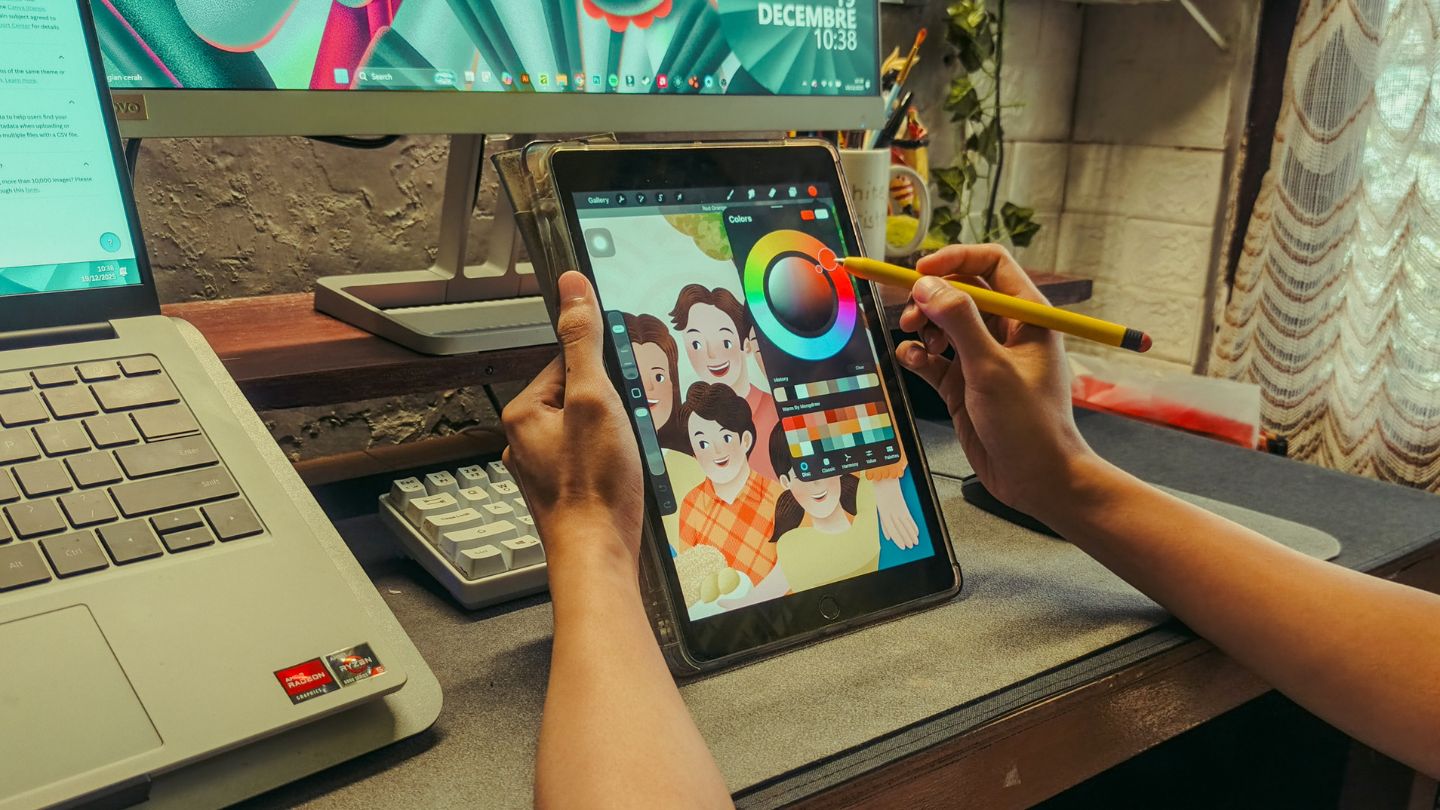
Whether creating concept art or illustration, professional artists play a critical role in shaping visual narratives. Their expertise ensures that ideas are translated into powerful imagery that communicates clearly and effectively. Skilled artists understand composition, color theory, lighting, and storytelling, elements that transform simple drawings into meaningful visual experiences.
Creative professionals also collaborate closely with directors, designers, and production teams to maintain a cohesive artistic vision. Their work helps ensure that every visual element contributes to the overall story or message.
For projects involving digital media, entertainment, or brand storytelling, working with experienced artists ensures that visuals meet both creative and technical standards. Professional expertise allows ideas to evolve from rough sketches into fully realized works of art that engage audiences and bring creative visions to life. For those looking to expand their creative perspective, learning more about the art of digital illustration techniques and inspiration can offer valuable insights into how artists transform imagination into impactful visual storytelling.
Understanding the concept art vs illustration discussion highlights how both creative disciplines play unique roles in shaping visual storytelling. Concept art focuses on exploring and developing ideas that guide the visual direction of a project, helping artists design characters, environments, and entire worlds before production begins. Illustration, on the other hand, delivers polished visuals intended to communicate stories, emotions, and messages directly to audiences. Together, these artistic approaches demonstrate how powerful drawing, digital painting, and visual development can transform a simple idea into impactful visual art.
For businesses, creators, and storytellers seeking professional creative support, working with an experienced digital illustrator in Fort Lauderdale ensures that every concept is transformed into compelling visual imagery. At Emily Art, professional artistry combines creativity with advanced digital techniques to deliver exceptional visual solutions. The studio offers a range of services, including 3D animation, 2D animation, digital still art, and art education and training, helping clients bring their ideas to life with expert craftsmanship and creative vision. Contact us today to start transforming your ideas into powerful visual experiences.
