
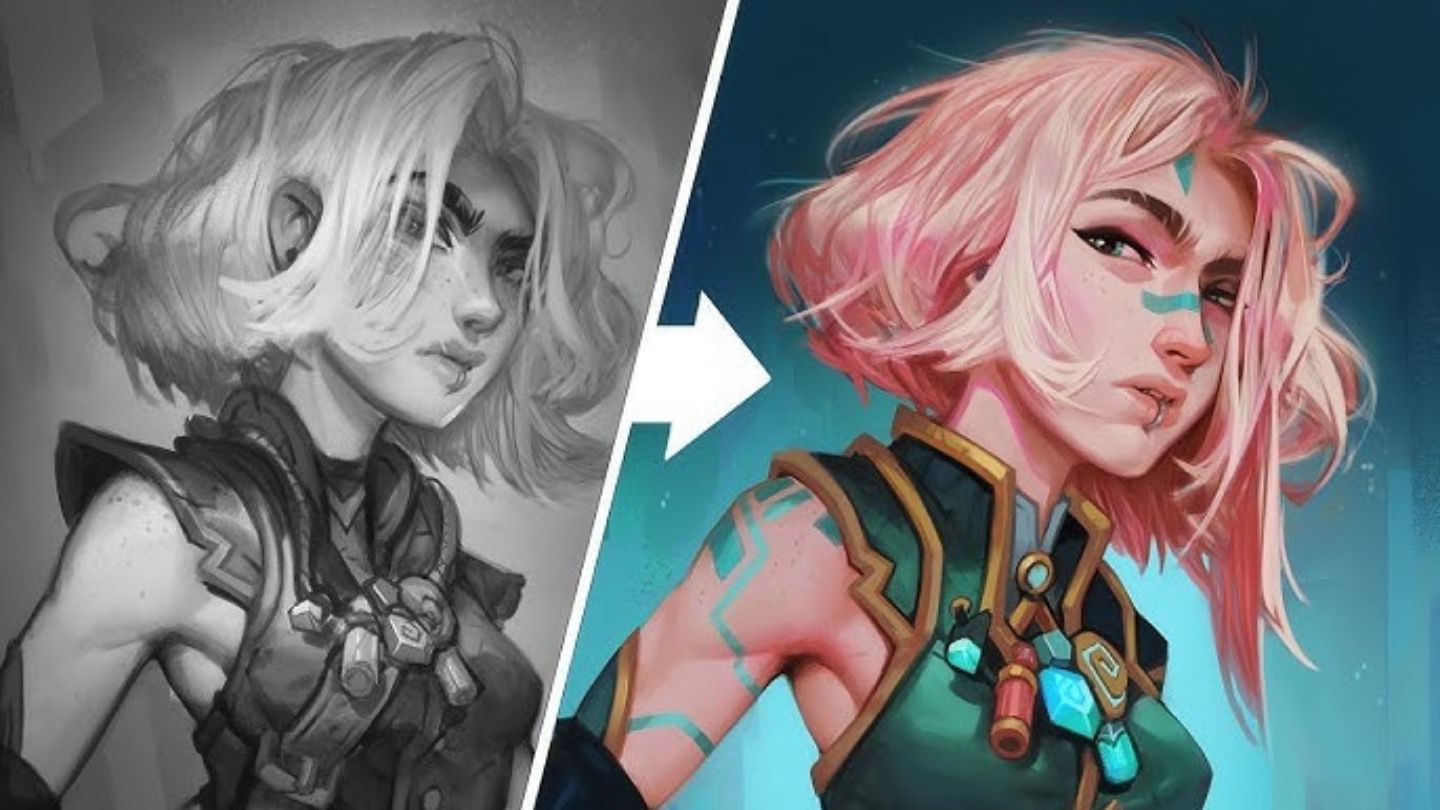
Digital illustration has transformed the way modern artwork is imagined, created, and delivered. What once required traditional art materials, physical paint, or lengthy revision cycles can now be produced with remarkable precision through advanced digital tools. For artists, brands, and creative professionals, the ability to shape expressive digital art that blends technique, design thinking, and artistic expression has redefined the landscape of visual storytelling. As digital illustration continues to expand across graphic design, entertainment, advertising, fine art, and education, understanding the stages that guide a piece from its earliest idea to the final illustration becomes essential. Whether you are a digital art beginner or a seasoned illustrator refining your artistic skills, the structured progression of the illustration process provides clarity, direction, and consistency throughout the creative process. With a growing number of creatives shifting from traditional art to digital painting and digital drawing workflows, clarity in the steps of the digital illustration process becomes even more important.
Digital illustration begins long before a line is drawn on a sketch layer. The conceptual stage shapes the tone, mood, and purpose of the illustration. Whether the piece aims to tell a story, express emotion, support graphic design needs, or bring a concept art idea to life, this initial stage forms the backbone of the final art. Artists often explore geometric shapes and basic shapes that establish early composition choices. These shapes act as visual placeholders for the placement of characters, objects, or environments. For many digital illustrators, this is the moment where imagination begins to merge with intention, setting the stage for every step that follows.
During the conceptual phase, the illustrator also defines the style of the artwork. Some pieces require painterly digital painting techniques, while others call for a clean vector illustration approach. Stylized illustration might emphasize expressive brush strokes, while a polished design for branding or product visualization may rely on precision and clarity. Artists developing work for commercial or promotional use often consider how illustration shapes advertising, where imagery influences perception and brand identity. The digital artist chooses the appropriate method based on the goals of the artwork. Concept art in particular often evolves rapidly, shifting through many visual iterations before it reaches clarity. As the creative process unfolds, these early decisions shape the effectiveness of the composition and prepare the artist for the more technical stages that follow.
Once the concept is ready, the next phase begins: translating ideas into an initial sketch. A strong initial sketch sets up proportions, identifies major forms, and defines the primary focal point. The rough sketch does not need to be detailed or perfect. Instead, it lays the structure that informs everything afterward. Many artists start with loose line art to capture movement and energy. Others prefer a more structured approach, building the illustration from basic layout lines. No matter the technique, this phase anchors the entire illustration process and prepares the canvas for refinement.
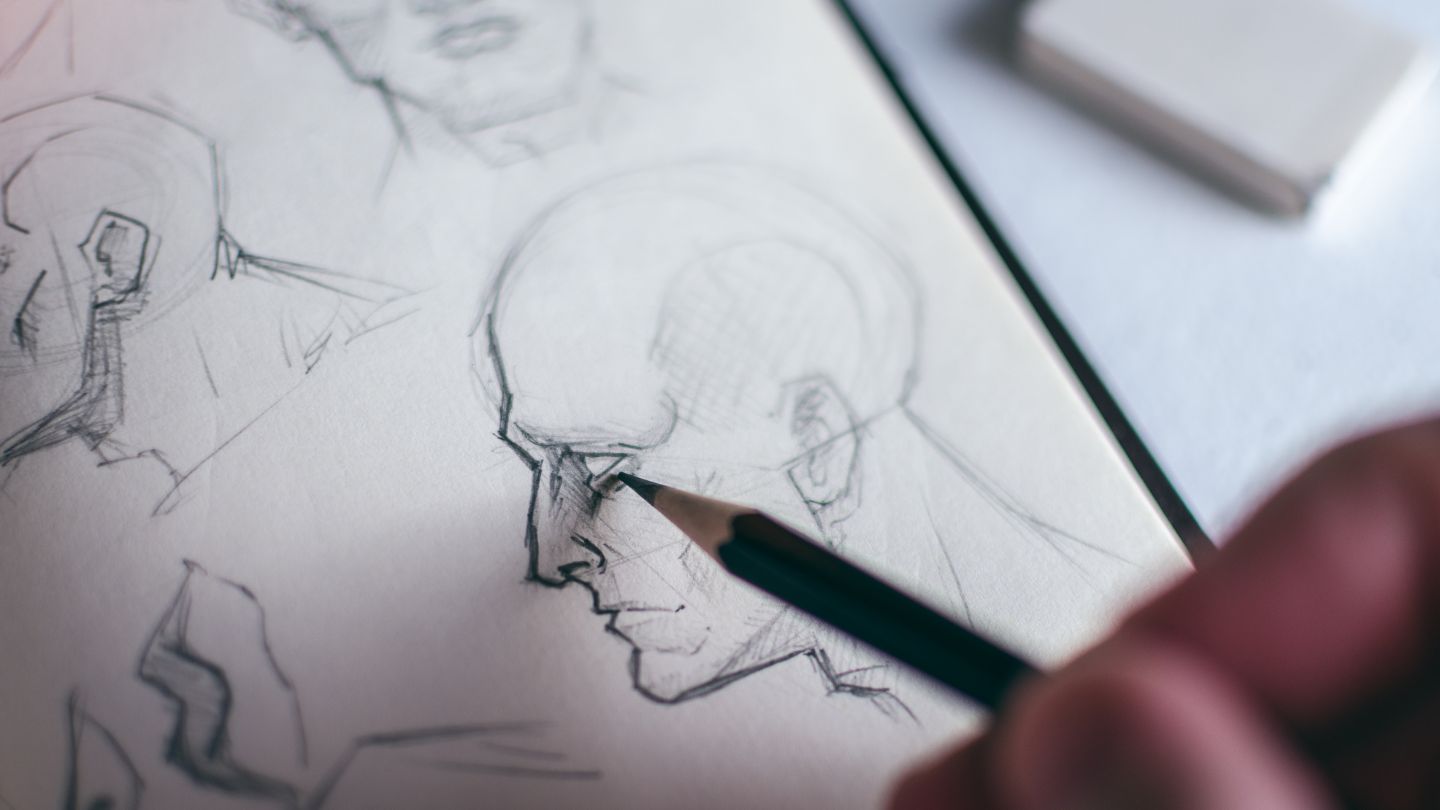
After establishing the initial sketch, the artist begins refining it into a more organized sketch layer. Here, the drawing becomes clearer, more intentional, and more aligned with the final illustration. The sketch layer allows the artist to improve anatomy, correct perspective, enhance proportions, and define expressive lines. This phase represents the bridge between raw ideas and polished illustration. Artists may explore several variations of the sketch layer to ensure each element supports the overall composition and visual narrative. During this stage, many illustrators revisit foundational digital techniques and creative methods that help refine structure, rhythm, and stylistic direction, drawing inspiration from broader discussions on digital illustration practices
For many illustrators, the transition from sketch to line art is a defining moment. This is where the illustration becomes sharper and more readable. Clean line art serves as the framework for the final artwork, especially in digital drawing or comic-style illustration. It also provides clarity for later painting stages. Artists working in digital painting may keep lines soft or choose to remove them as the artwork evolves. Those creating vector illustration may refine their paths for crisp, scalable graphics. Regardless of stylistic direction, this stage strengthens the unity and clarity of the artwork.
Once the sketch layer is complete, the illustration moves into color development. This is where digital painting, shading, and lighting begin to give the artwork depth, emotion, and atmosphere. Artists choose a palette that supports the mood of the piece. Warm tones might create a sense of comfort or energy, while cool tones may communicate calmness or mystery. Digital brushes are essential tools during this phase, offering texture variations that replicate paint, ink, charcoal, and other mediums. Understanding how texture plays a crucial role in digital illustration helps artists create depth, atmosphere, and emotional impact, allowing their work to feel more tactile and visually engaging.
Rendering continues to refine the artwork by enhancing form, adding shadows, shaping highlights, and building layers of visual richness. This stage is where the artwork transitions from flat drawing into a dimensional image that conveys weight, texture, and realism. Digital tools help the artist adjust blending, transparency, and material qualities. Fine art influences often guide the methods used for this stage, blending traditional techniques with digital precision. As the illustration nears completion, each stroke contributes to the emotional and visual impact of the final illustration.
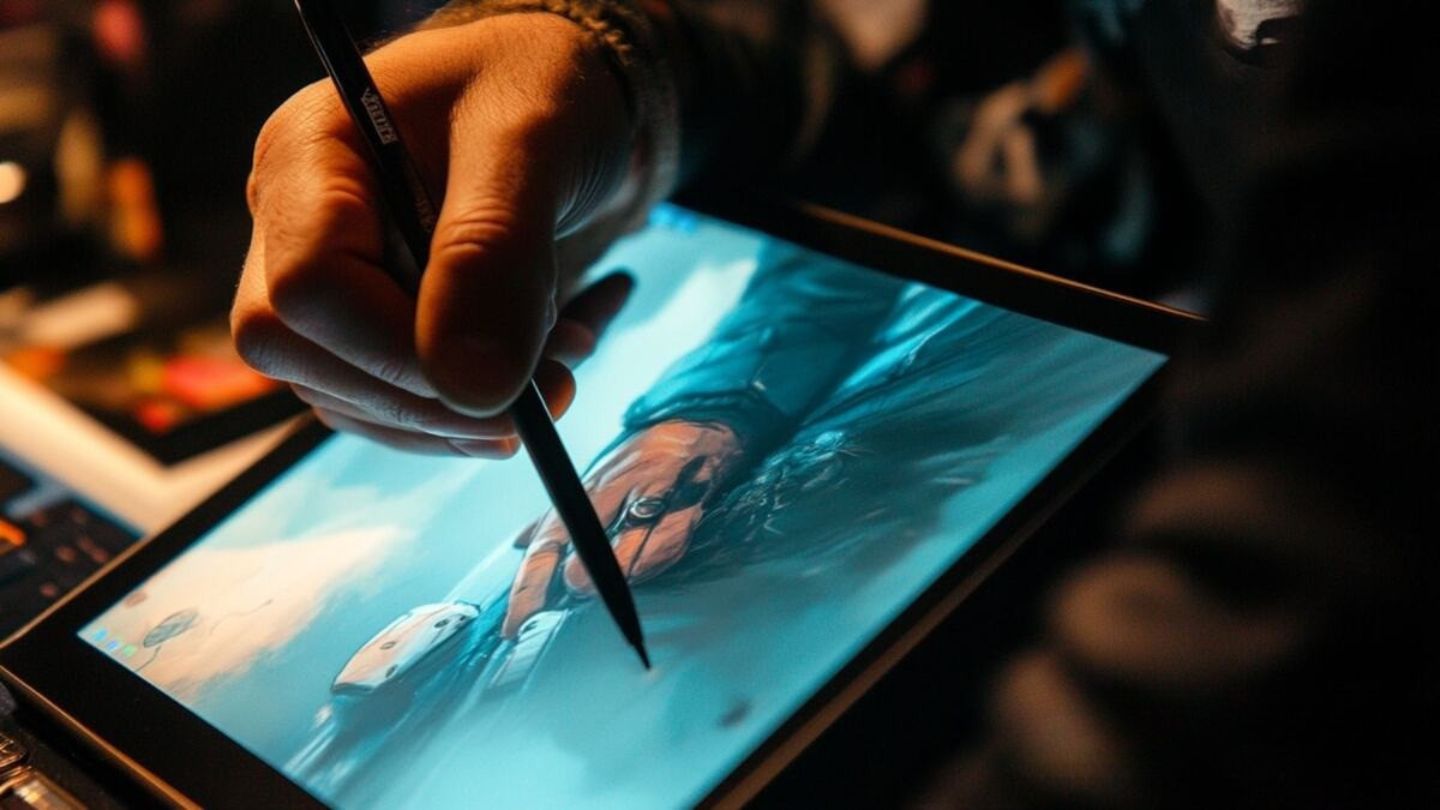
Near the completion stage, the artist evaluates the illustration for balance, clarity, and consistency. Final touches serve to unify the composition, refine edges, adjust contrast, and enhance visual focus. The finishing touches help highlight the focal point, ensuring viewers connect with the artwork in the intended way. Artists may compare their final artwork to the initial concept to ensure the illustration communicates the purpose effectively and cohesively.
The final artwork is then prepared for its intended use, whether it will support graphic design projects, function as a standalone illustration, enhance a visual story, or serve as concept art for future development. At this stage, file formats, color profiles, and technical adjustments are finalized to ensure the illustration appears correctly across digital and print environments. A professional digital illustrator ensures that every detail is polished and ready for presentation.
Read More: Complete Guide to Digital Illustration
Understanding the stages of digital illustration, the steps in the digital illustration process, and the key phases of digital illustration offers valuable insight into how ideas evolve into polished artwork. From the earliest concept to the moment the final illustration is completed, each phase enhances the clarity, emotion, and visual storytelling of the piece. The stages of concept to completion in digital illustration demonstrate how thoughtful design, artistic skill, and technical refinement come together to transform imagination into compelling digital expression.
As a leading creative studio in the field, Emily Art provides professional support through every stage of the artistic process, delivering exceptional digital art, digital illustration, concept art, and digital painting services shaped by experience and precision. In addition to our illustration work, we also offer a range of creative services, including 3D animation, 2D animation, and art education and training, all designed to elevate visual storytelling and support clients in bringing their ideas to life. With the expertise of a skilled digital illustrator in Fort Lauderdale, the studio blends fine art principles with advanced digital tools to create meaningful, polished visuals for branding, storytelling, education, advertising, and more. Every project is approached with care, creativity, and a commitment to elevating the client’s vision through exceptional digital artwork.
Ready to bring your ideas to life? Contact us today.
