

Welcome to the complete guide to digital illustration, a fantastic medium that transforms creative ideas into stunning visuals using technology. This comprehensive resource is designed to be a beginner’s guide to digital illustration, navigating you through the essential tools, software, and techniques to start your artistic journey. Whether you’re transitioning from traditional art or starting fresh, this ultimate blog will provide the foundation you need.
At its core, digital illustration is the creation of artwork using digital tools. Unlike traditional art, which uses physical mediums like paint and canvas, a digital artist uses a computer, a drawing tablet, and software to create their work. This form of digital art offers incredible flexibility, allowing for easy corrections, endless experimentation with colors, and a wide variety of effects that are difficult to achieve with traditional painting.
The process often begins with a digital drawing, which is then refined with layers, colors, and textures to become a finished piece of digital artwork. This medium is incredibly versatile, spanning everything from intricate character design and expansive concept art for video games to clean vector illustration for graphic design projects.
Your journey into digital illustration begins with assembling the right gear. The central tool for any digital illustrator is a device for drawing. This is where a graphics tablet, often just called a tablet, becomes indispensable.
There are several types of drawing tablets, each offering a different experience:
Choosing the right drawing tablet depends on your budget and workflow preferences. For many digital art beginners, starting with a basic graphic tablet is a great way to learn without a significant investment.
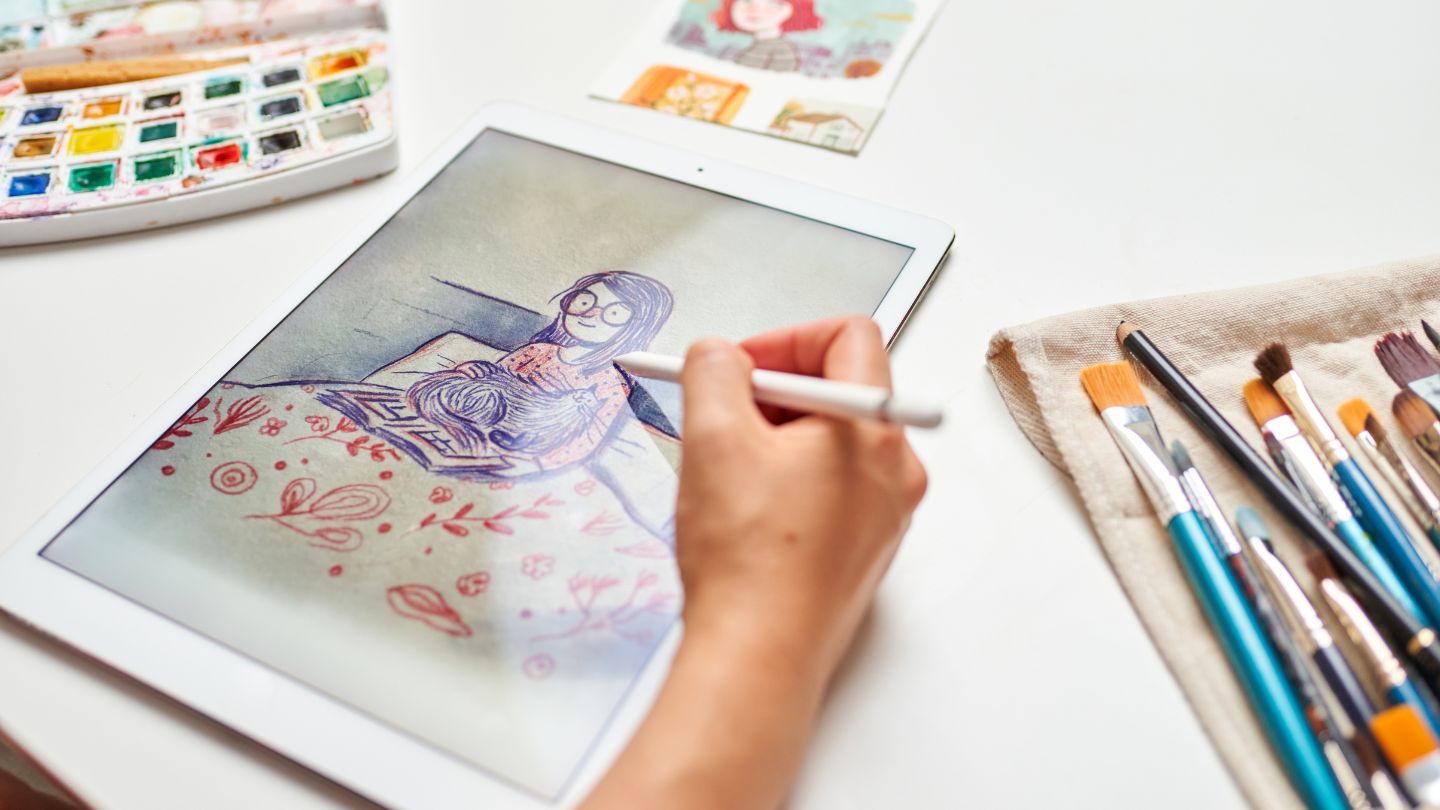
Once you have your hardware, you need the right digital art software. This is your virtual studio, filled with every brush, color, and tool you could imagine. The options can seem overwhelming, but most artists gravitate toward a few industry standards.
Many other excellent apps and programs exist, so don’t be afraid to experiment to find the tool that best suits your style of artistic expression.
With your tools and software ready, it’s time to start creating. The principles of good art still apply in the digital world. A strong understanding of composition, perspective, color theory, and anatomy will elevate your artwork.
One of the biggest advantages of digital illustration is the use of layers. Think of them as transparent sheets stacked on top of each other. You can have a sketch layer for your initial drawing, separate layers for line art, colors, and shading. This non-destructive workflow allows you to edit one part of your illustration without affecting the others.
Every complex illustration is built from basic shapes. Learning to break down your subjects—be it a person, an animal, or a landscape- into circles, squares, and triangles is a fundamental skill. This helps you build a solid structure for your drawing before you add details. An artist can use this technique to ensure proper proportions and perspective.
Digital art software comes with an array of brushes that can mimic anything from a fine-point pen to a broad, textured paintbrush. Experimenting with different brushes is key to developing your style. Understanding the importance of texture in digital illustration can add depth and a tangible quality to your work, making it feel more alive and engaging. Exploring various techniques is part of the fun in your digital art journey.
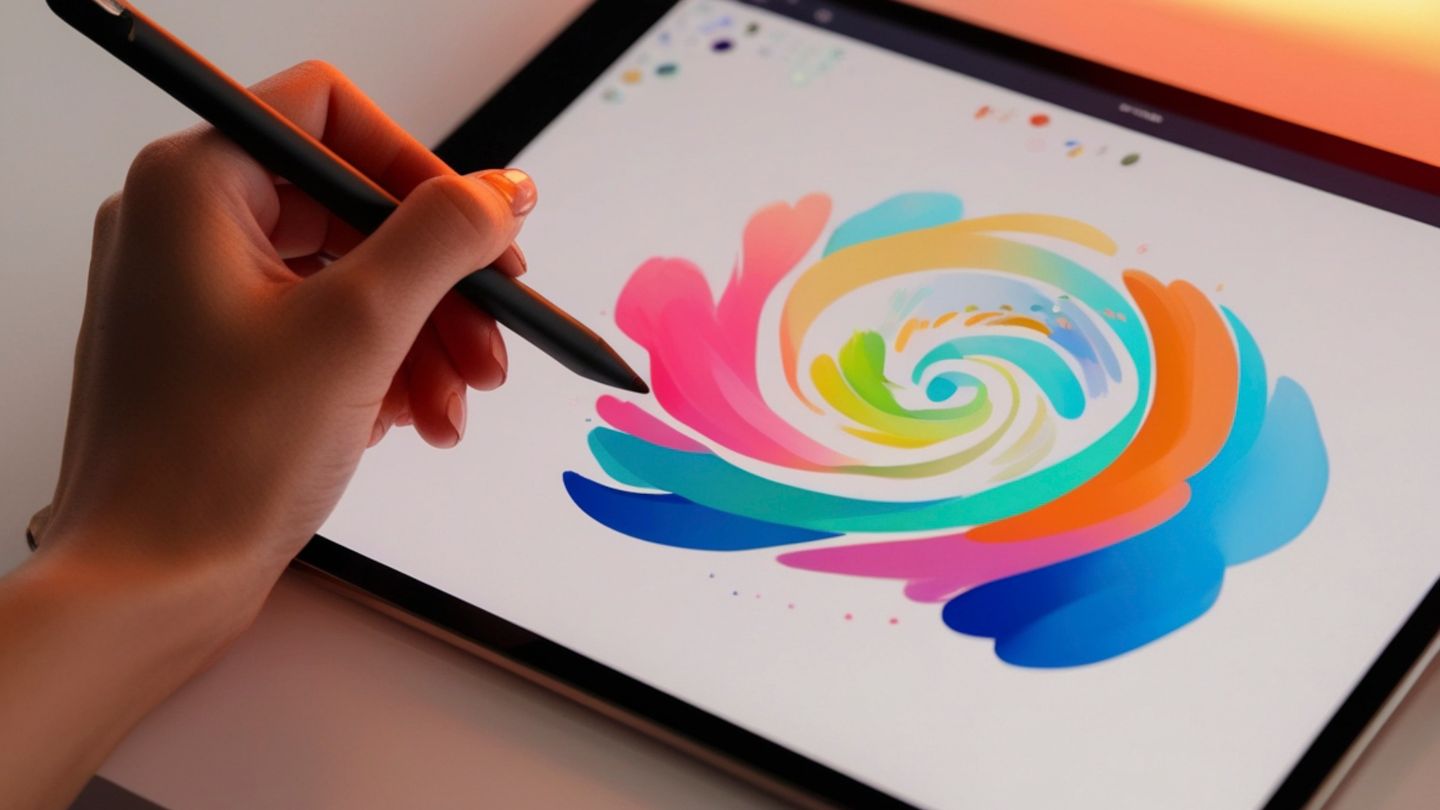
Digital illustration is a vital part of our visual culture. Its applications are widespread and continue to grow. Many a graphic designer and concept artist rely on it daily.
In the commercial world, illustration is so important in advertising that it becomes clear when you see how it can communicate complex ideas with personality and charm. It’s used for everything from brand mascots and packaging to editorial illustration in magazines and online articles. Beyond commercial work, it’s the foundation for concept art in films and video games, creating worlds and characters before they are brought to life. From simple pixel art to complex 3D modeling integrations, the possibilities are vast. This is why a skilled illustrator is always in demand.
For those looking to expand their skills, the art of digital illustration techniques and inspiration offers a deeper look into advanced methods that can elevate your artwork and help you find your unique voice as an artist.
Read More: Stages of Digital Illustration: From Concept to Completion
Digital illustration is a versatile and powerful art form that combines creativity with technology. From understanding what digital illustration is to choosing the right drawing tablet, software, and techniques, this guide highlights how beginners can confidently start their artistic journey. With tools like layers, brushes, and shapes, artists can experiment freely while applying core art principles such as composition and color theory. The wide range of applications, from branding and editorial visuals to concept art for games and films, shows why digital illustration continues to play a vital role in modern visual communication.
At Emily Art, our team of experienced creatives, including a professional digital illustrator in Fort Lauderdale, brings artistic visions to life across multiple media. Our work seamlessly connects illustration with 3D animation, expressive 2D animation, and comprehensive art education and training, supporting both creative projects and skill development. Whether you’re building a brand, developing visual stories, or sharpening your artistic abilities, our collaborative approach ensures every idea is transformed into impactful, visually compelling artwork. Contact us today to discuss your project or enroll in one of our creative training programs.
