
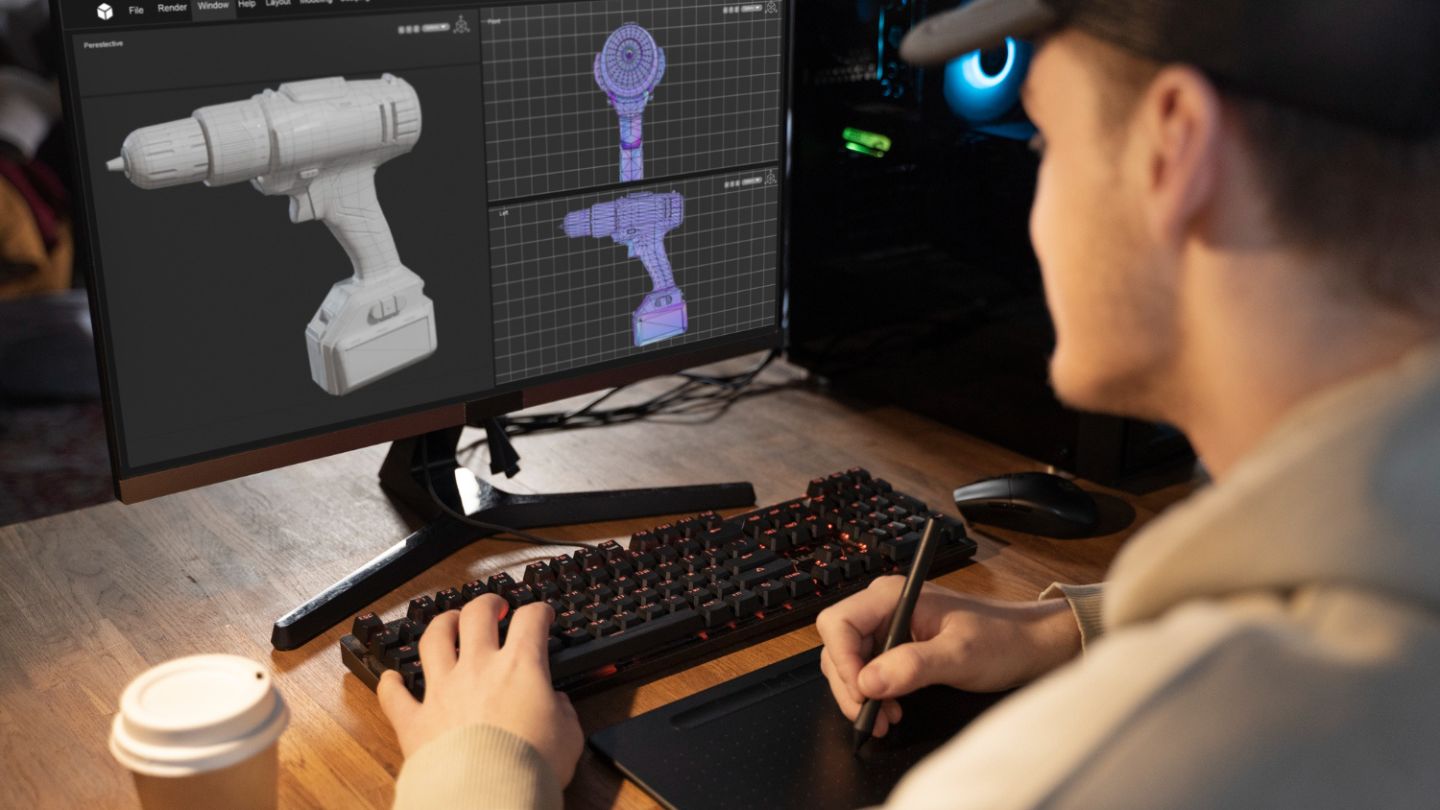
Modern digital production relies heavily on 3D modeling techniques to create immersive visuals, lifelike objects, and detailed environments. From product design and architectural visualization to game development and interior design, realistic visuals depend on highly refined modeling workflows. A well-executed 3D model is more than a simple digital shape, it is a carefully constructed 3D object designed through advanced computer graphics methods and professional expertise.
Today’s visual industries demand realistic 3D models that not only look convincing but also function efficiently across various digital platforms. Achieving this level of realism requires specialized modeling technique knowledge, high-level artistry, and advanced 3D modeling software capabilities. When these elements come together, the result is a professional 3D render that enhances storytelling, product presentations, architectural concepts, and digital experiences. Understanding what 3D modeling techniques are for realistic design and how professionals apply them is essential to appreciating how modern digital artwork and visualization are created.
At its core, 3D modeling is the process of constructing digital representations of real-world or imagined objects within a virtual environment. A professional 3D artist builds these structures using various 3D modeling techniques to simulate accurate form, scale, and detail.
These techniques are used to create digital geometry that mimics physical structures, allowing designers to produce photorealistic imagery for architectural rendering, product design, and advanced visual storytelling. Once the model is created, the process continues with texturing, lighting, and rendering to produce final visuals that appear realistic and dynamic. Gaining a deeper perspective on how these modeling processes contribute to the broader field of digital creativity often begins with understanding the foundations of 3D digital art and how artists use it to transform ideas into visually compelling imagery.
In professional production pipelines, modeling serves as the foundation for all other visual processes. Whether the goal is cinematic visuals, immersive environments, or detailed 3D visualization, the quality of the original 3D model directly influences the final output. Understanding which 3D modeling techniques improve realistic design helps illustrate why expert-level modeling is essential for professional results.
Professional artists rely on a range of advanced 3D modeling techniques to construct believable digital assets. Each technique serves a unique purpose depending on the type of 3D object being created.
Box modeling is one of the most widely used 3D modeling techniques in digital production. In this approach, a simple geometric shape such as a cube is gradually refined into a complex model by adding and adjusting polygons.
Through careful modeling, artists manipulate the structure to create detailed forms suitable for environments, characters, and objects. This technique is particularly useful when developing hard-surface objects for product design or architectural elements used in architectural visualization.
Box modeling offers exceptional control over structure, making it ideal for producing clean geometry and efficient digital assets used in professional 3D rendering workflows.
Digital sculpting is another powerful 3D modeling technique used when designing highly detailed or organic shapes. Similar to sculpting clay in the physical world, artists push, pull, and shape digital surfaces to create intricate forms.
This approach is frequently used when building characters, natural objects, and artistic digital pieces. Techniques such as 3D sculpting allow creators to add fine details, surface variations, and complex textures that bring realistic 3D models to life.
The level of realism achieved through digital sculpting makes it a cornerstone technique for cinematic visuals, high-end animation, and immersive computer graphics projects.
Polygon modeling, also referred to as polygonal modeling, is another fundamental process in professional 3D modeling. This technique builds digital objects by connecting polygons to form surfaces and structures.
Artists adjust vertices, edges, and faces to create highly accurate models that maintain structural efficiency during rendering. Polygon-based workflows are especially useful in industries such as game development, where performance optimization is essential.
Because of its flexibility, polygon modeling remains one of the most widely used 3D modeling techniques for creating everything from architectural structures to product prototypes.
Subdivision modeling enhances geometry by refining polygon structures into smoother surfaces. By subdividing a base mesh, artists can transform simple geometry into highly detailed forms while maintaining manageable complexity.
This technique is especially valuable when creating smooth curves, refined product surfaces, and visually polished 3D objects. It plays a critical role in professional 3D design, where visual precision is essential. The same attention to surface precision and dimensional detail also plays an important role of 3D digital art in creating memorable logos, where three-dimensional design techniques contribute to distinctive visual identities.
For industries that require precise technical structures, surface modeling and solid modeling are key techniques. These methods are widely used in engineering visualization, product prototyping, and advanced cad modeling workflows.
By defining surfaces mathematically, artists can create highly accurate models that translate effectively into manufacturing processes such as 3D printing. These approaches ensure that digital designs are not only visually accurate but structurally reliable as well.
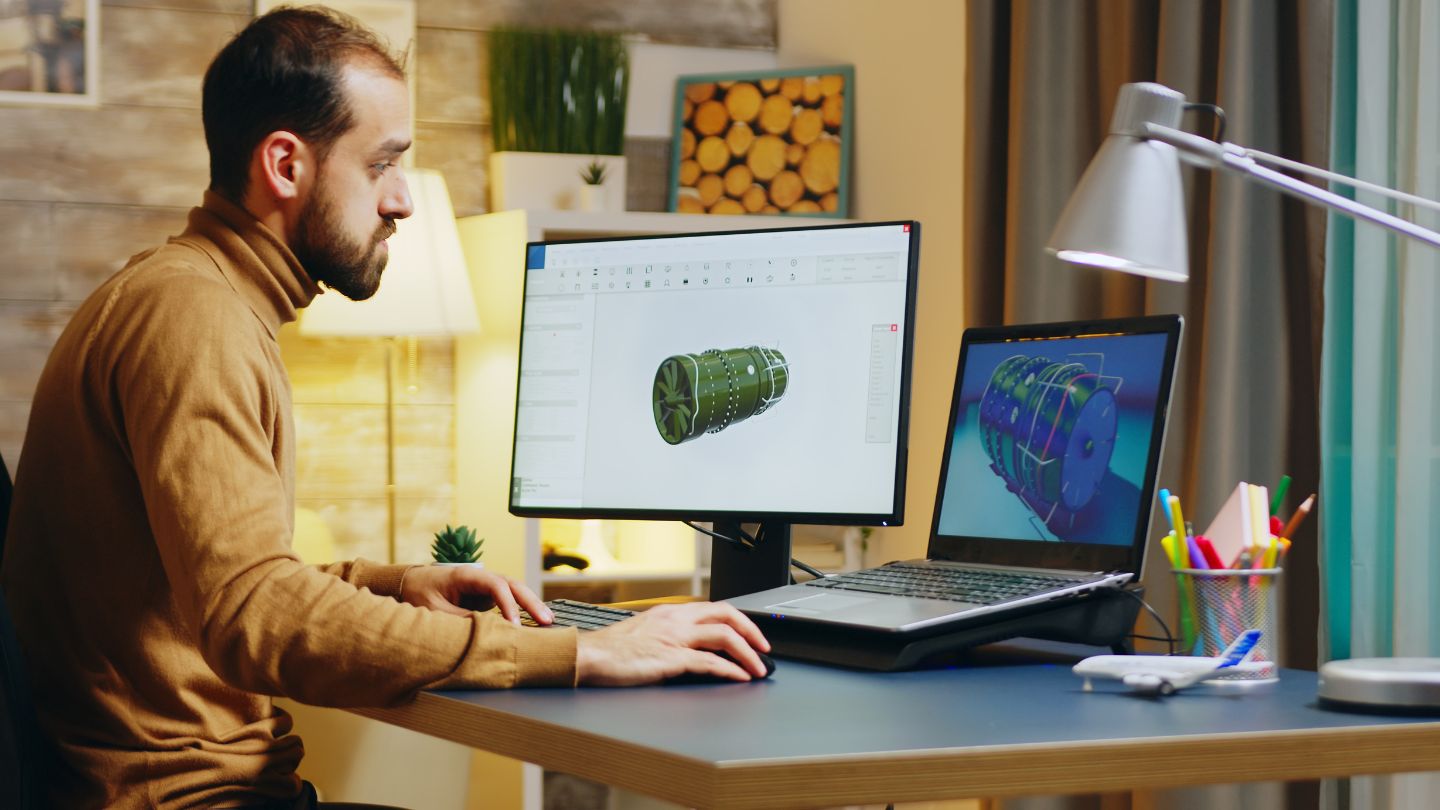
As projects grow more complex, procedural modeling has become an increasingly valuable technique. Instead of manually constructing every element, artists use algorithms and rule-based systems to generate complex environments and structures automatically.
This approach is particularly effective when creating large-scale scenes such as cities, landscapes, or complex architectural environments. Procedural systems allow for rapid development while maintaining consistency across numerous objects. As digital production continues to evolve, innovations in automation and procedural workflows are shaping the future of 3D animation trends and innovations within the industry. Because of its efficiency, procedural modeling is widely used in architectural visualization, film production, and immersive digital worlds.
Another powerful advancement in 3D modeling techniques is 3D scanning. This process captures real-world objects and converts them into digital models using specialized scanning technology.
By capturing surface details, shapes, and textures directly from physical objects, 3D scanning dramatically improves realism in digital production. The scanned data can then be refined through modeling, optimized for 3D rendering, and integrated into professional visual projects. This method is particularly useful when producing realistic product visuals, historical recreations, or lifelike architectural environments.
While modeling defines structure, rendering transforms the digital 3D model into a final visual image. During the 3D rendering process, lighting, materials, reflections, and environmental effects are applied to simulate real-world conditions.
High-quality rendering plays a crucial role in delivering visually compelling content for architectural rendering, marketing visuals, product presentations, and cinematic visuals. Professional 3D modeling software allows artists to control every detail of the rendering process, ensuring that each 3D object interacts realistically with its environment.
Professional artists rely on advanced 3D modeling software to execute complex visual projects. Programs commonly used in the industry allow for advanced modeling, detailed sculpting, texturing, and rendering.
Platforms such as 3ds Max and Cinema 4D provide powerful tools for creating sophisticated visual scenes and animations. These tools are commonly used within larger production pipelines, where efficient workflows and team coordination are essential elements within 3D animation studio management strategies for success. These tools are often combined with texturing solutions such as Substance Painter to add realistic materials and surface detail. Through these professional environments, artists can build everything from architectural scenes to highly detailed products used in marketing campaigns.
Read More: The Digital Artist’s Handbook: Essential Tools and Techniques
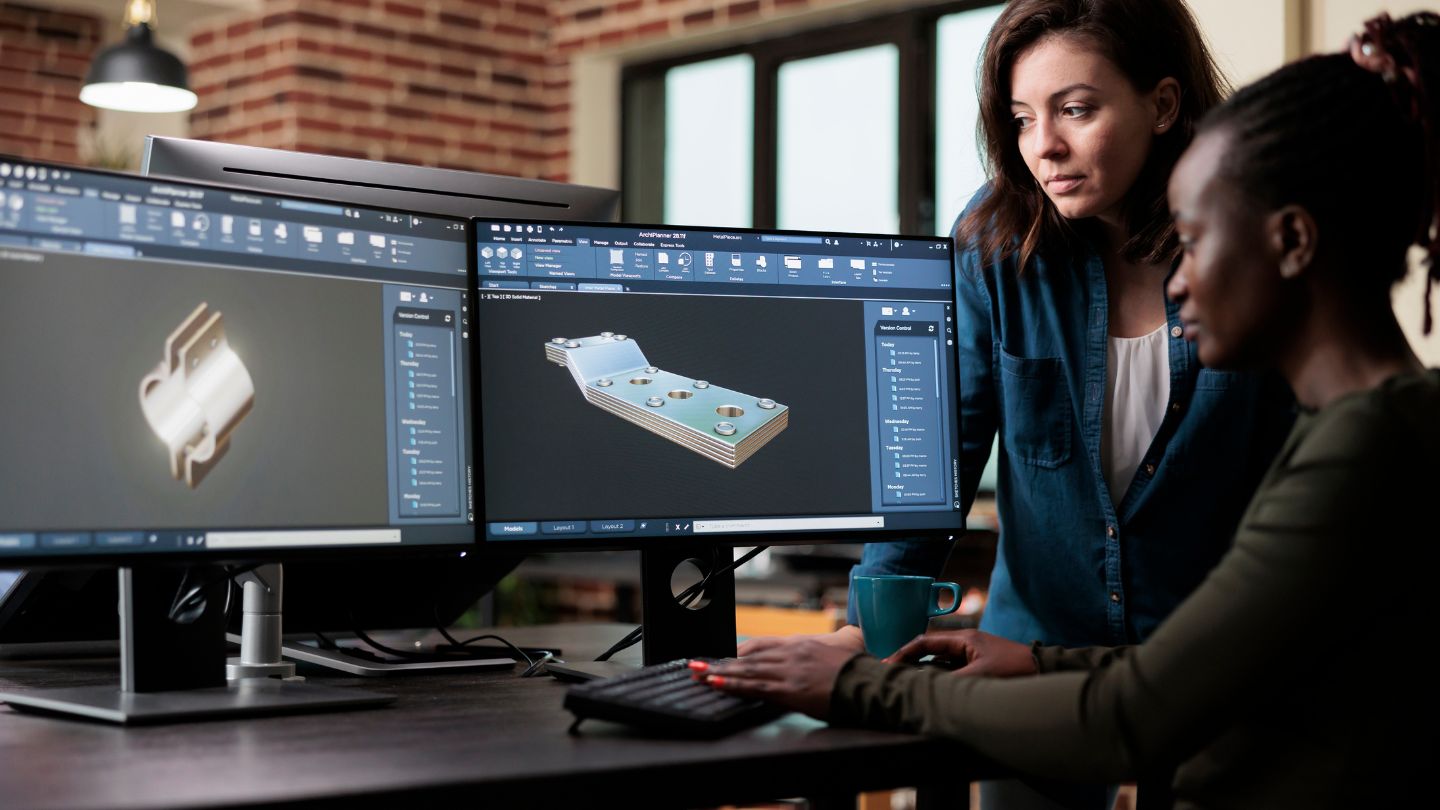
Understanding how to create realistic designs with 3D modeling techniques involves more than simply building shapes. Professional production follows established best practice methods to ensure accuracy, realism, and efficiency.
Artists must carefully balance detail with performance while maintaining proper geometry and clean structures. Effective workflows combine multiple 3D modeling techniques, including box modeling, procedural modeling, digital sculpting, and 3D scanning, to achieve the desired results. By integrating these processes with advanced rendering techniques, professionals produce visuals that closely resemble real-world photography while maintaining the flexibility of digital design.
Read More: The Future of Digital Art: Emerging Trends and Technologies
Creating highly detailed digital visuals requires far more than technical knowledge alone. A professional 3D artist must combine artistic vision with advanced modeling technique knowledge and a deep understanding of visual composition.
Whether producing architectural visualization, digital artwork, or product presentations, experienced artists ensure that every model, texture, and lighting element contributes to a cohesive and realistic final image. Professional expertise also ensures that complex workflows, such as procedural modeling, cad modeling, and 3D scanning integration, are executed efficiently while maintaining visual quality.
The evolution of modern 3D modeling techniques has transformed the way realistic digital visuals are created across industries. Through advanced processes such as box modeling, digital sculpting, polygon modeling, procedural modeling, and 3D scanning, skilled professionals can build highly detailed 3D models that accurately represent real-world forms and environments. When these powerful modeling methods are combined with professional rendering, the result is visually compelling imagery used for product design, architectural visualization, and immersive computer graphics experiences that communicate ideas with clarity and realism.
At Emily Art, creative professionals specialize in producing high-quality visual content, including stunning 3d digital artwork in Fort Lauderdale that blends artistic creativity with advanced digital production techniques. Their expertise extends beyond 3D work to include professional 2D animation, digital still art, and art education and training, helping clients and aspiring creators explore the full potential of digital artistry through innovative visual storytelling and expertly crafted designs. Contact us today to bring your creative vision to life with exceptional digital artistry.
