

Art is more than just visuals; it’s a language that shapes how we perceive stories, emotions, and ideas. In today’s digital world, the ongoing conversation around the difference between stylized and realistic art has become increasingly important, especially in industries like illustration and game art. While some artworks aim to mirror reality with precision, others embrace imagination and abstraction to create something entirely unique. This contrast between realistic vs stylized approaches defines how audiences connect with visuals. Understanding these two styles not only deepens your appreciation of art but also helps you choose the right direction for any creative project.
At its core, realistic art aims to replicate the real world as accurately as possible. This style is rooted in observation and detail, focusing on proportions, lighting, textures, and depth to create images that closely resemble reality. The goal is to make the viewer feel as though they are looking at a photograph rather than an illustration. For a broader perspective on creative mediums, understanding the difference between traditional and digital art can also help readers see how artistic methods and presentation styles continue to evolve.
The realistic art style requires a deep understanding of anatomy, perspective, and natural lighting. Artists working in realism often spend years refining their skills to capture the smallest details, from the subtle reflection in a human eye to the intricate textures of skin, fabric, or natural environments. This level of precision makes realistic artwork particularly valuable in industries such as advertising, film, and high-end visual presentations.
In the context of game art, realism is often used to create immersive environments that draw players into lifelike worlds. The more believable the visuals, the stronger the emotional connection between the audience and the experience. Realism enhances storytelling by making characters and settings feel tangible and relatable.
In contrast, stylized art is not concerned with perfectly replicating reality. Instead, it emphasizes interpretation, exaggeration, and creativity. A stylized art style allows artists to simplify or enhance certain elements to create a unique visual identity that stands out.
Stylized artwork often features bold shapes, vibrant colors, and distinctive character designs. It may exaggerate proportions, simplify textures, or use unconventional color palettes to evoke emotion or highlight specific features. Rather than aiming for accuracy, stylized art focuses on expression and storytelling.
This approach is especially popular in stylized game art, where visual identity plays a crucial role in creating memorable experiences. A stylized game can instantly capture attention with its artistic direction, making it recognizable and engaging. The flexibility of stylization allows artists to create worlds that are imaginative, visually appealing, and emotionally impactful.
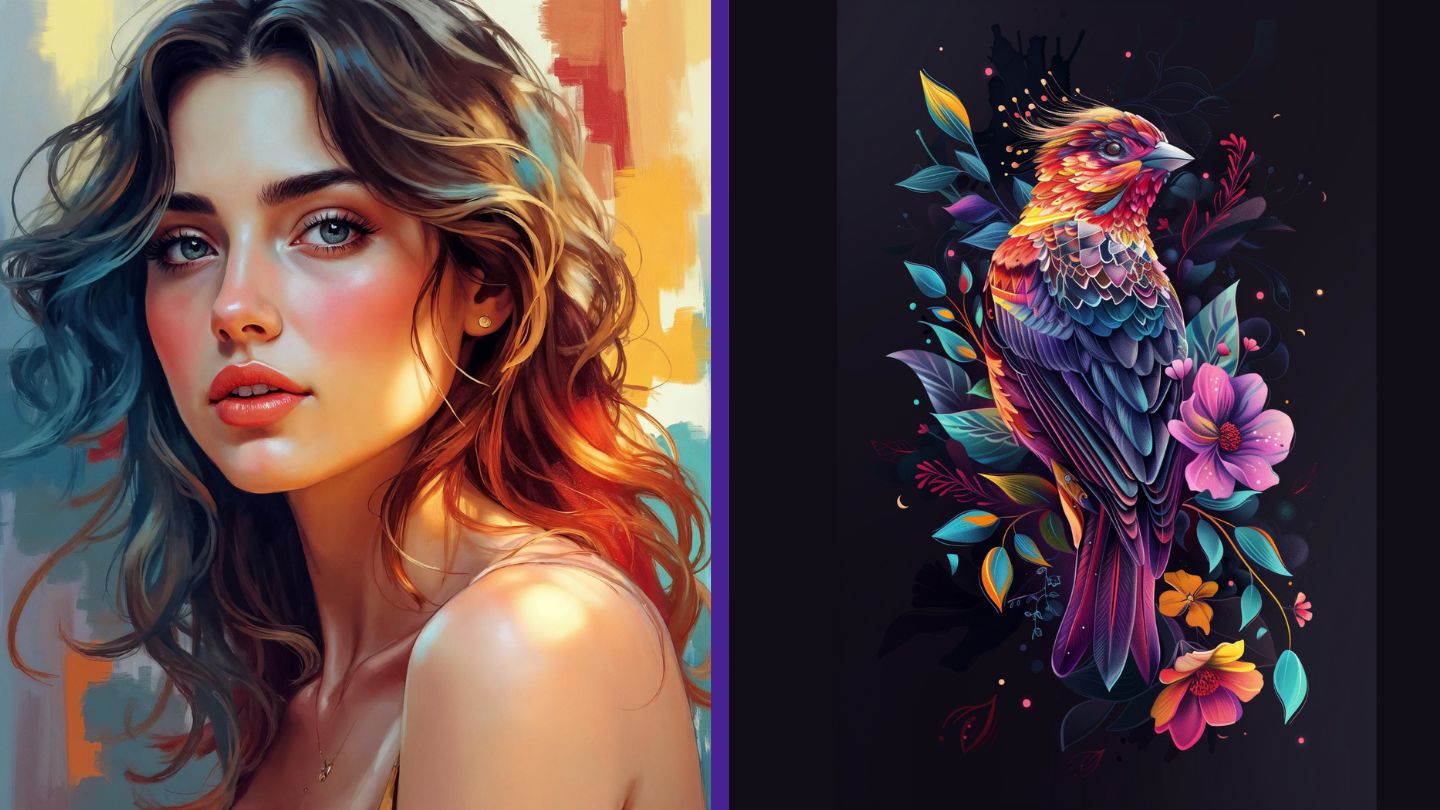
When comparing realistic vs stylized art, the most noticeable difference lies in how each approach interprets reality. Realism strives for accuracy, while stylization embraces creativity and abstraction. However, the distinction goes deeper than just appearance.
Realistic art relies heavily on technical precision. Every detail must align with real-world physics and anatomy, making it a demanding and time-intensive process. Stylized art, on the other hand, prioritizes artistic freedom. It allows artists to break rules and develop a unique art style that communicates ideas in a more imaginative way.
Another key difference is emotional impact. Realistic art often evokes a sense of familiarity and authenticity, while stylized artwork can amplify emotions through exaggerated features and creative design choices. This is why stylized visuals are often used in storytelling mediums where character personality and mood are central.
The versatility of stylized art also makes it ideal for branding and digital experiences. Businesses looking to create a distinct visual identity often prefer stylized artwork because it is more memorable and adaptable across different platforms.
The gaming industry provides one of the best examples of how realistic art vs stylized art can shape user experience. Both styles are widely used, and each serves a specific purpose depending on the type of game being developed. Understanding the future of digital art also reveals how innovation continues to shape visual storytelling across different art styles.
Realistic game art is typically used in simulations, action-adventure games, and narrative-driven experiences where immersion is key. The goal is to make players feel as though they are part of a real-world environment. This level of detail enhances storytelling and creates a deeper emotional connection.
On the other hand, stylized game art focuses on creativity and visual uniqueness. It allows developers to build worlds that are not bound by reality, offering endless possibilities for design and storytelling. Stylized visuals often age better over time because they are less dependent on technological advancements and more focused on artistic expression.
Both approaches demonstrate how the choice between realism and stylization can influence not only the look of a project but also how it is perceived and experienced by the audience.
Read More: 3D Animation for Games: Creating Immersive Worlds

Deciding between a realistic art style and a stylized approach depends on your goals, audience, and the message you want to convey. Realism is ideal when accuracy, detail, and authenticity are essential. It works well for projects that require a professional, polished appearance.
Stylized art, however, is perfect for creating a strong visual identity. It allows for greater flexibility and creativity, making it suitable for storytelling, branding, and digital media. A well-crafted, stylized artwork can communicate complex ideas in a visually engaging and memorable way. To better understand how visuals support creative planning, knowing the concept art vs illustration can add valuable context to the decision-making process.
Understanding the difference between stylized and realistic art helps ensure that your project aligns with your vision. It also highlights the importance of working with skilled professionals who can bring your ideas to life with precision and creativity.
Creating high-quality artwork, whether realistic or stylized, requires more than just talent. It demands experience, technical knowledge, and a deep understanding of visual storytelling. Professional artists are equipped to translate concepts into compelling visuals that resonate with audiences.
In the world of digital illustration, especially in areas like branding and game art, the stakes are high. The right art style can define how a project is perceived and remembered. This is why relying on experienced professionals is essential for achieving the desired results. For readers interested in technique and creative process, understanding the art of digital illustration highlights how strong visual work comes together.
From concept development to final execution, skilled illustrators ensure that every detail aligns with the intended vision. Their expertise allows them to balance creativity with technical precision, delivering artwork that stands out in a competitive landscape.
Read More: How a Digital Artist in Fort Lauderdale Helps Local Brands Stand Out
In the ongoing discussion of realistic vs stylized art, the true value lies in understanding how each style serves a different creative purpose. Realism captures the world with precision and authenticity, while stylized art transforms it into something imaginative and expressive. Both approaches play a powerful role in visual storytelling, shaping how audiences connect with art across industries like digital media and game art. Choosing between them ultimately depends on the vision you want to bring to life and the experience you aim to create.
At Emily Art, every project is approached with a deep understanding of artistic direction and client goals. Whether you are seeking highly detailed realism or a distinctive stylized approach, working with a professional digital illustrator in Fort Lauderdale ensures your ideas are transformed into compelling visuals. From immersive 3D animation and engaging 2D animation to expressive digital still art and comprehensive art education and training, the team offers a full spectrum of creative services tailored to your needs. Contact us today to bring your ideas to life.
