
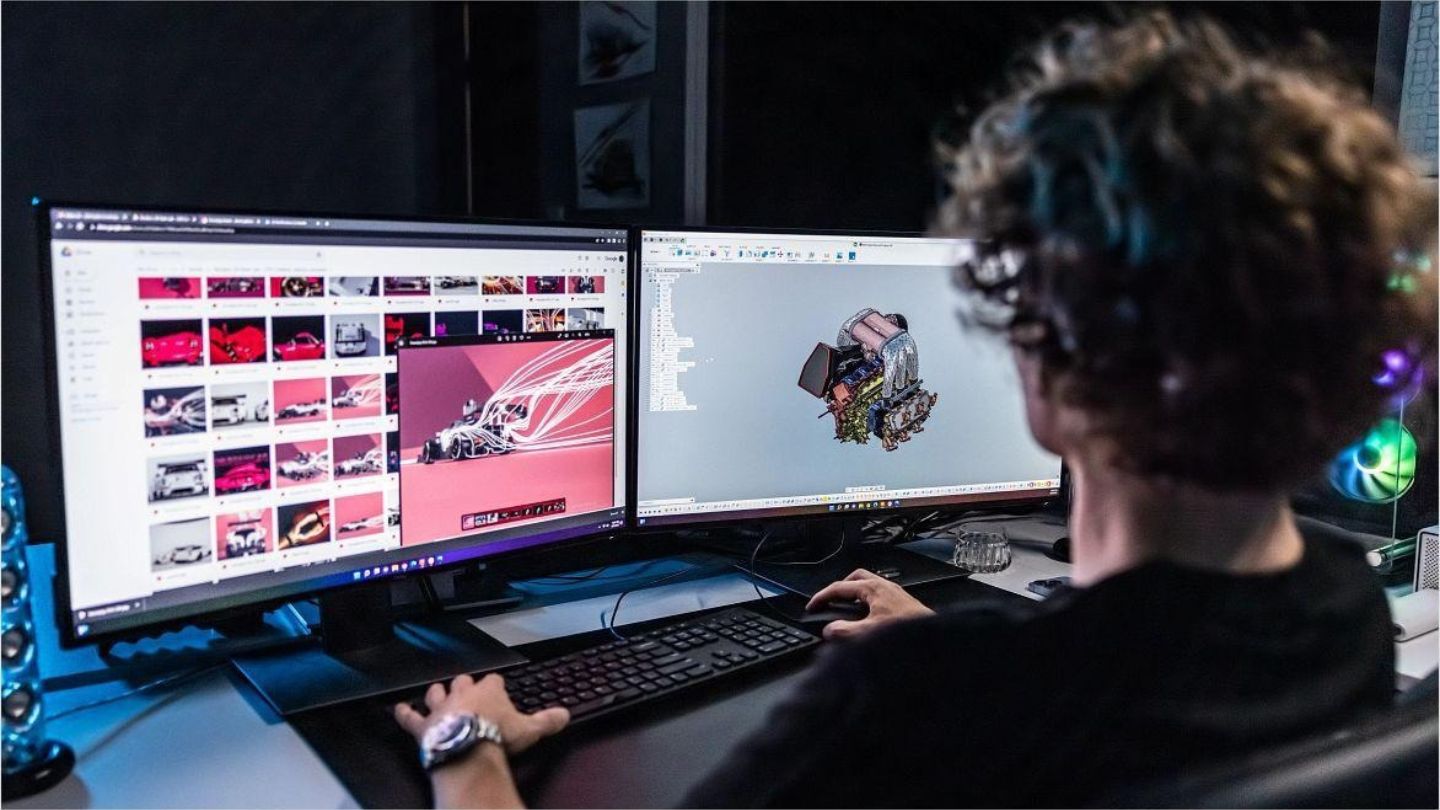
3D digital art has transformed the creative landscape, redefining how artists bring ideas to life across entertainment, design, advertising, architecture, fashion, and beyond. What once required physical materials, sculpting clay, or traditional painting techniques can now be accomplished through powerful digital tools that open endless possibilities for expression. For many creators and enthusiasts, discovering what 3D digital art truly encompasses becomes the gateway to an immersive world where imagination meets advanced technology.
As digital art continues to evolve, 3D art has become one of the most influential forms of modern artistic expression. From animated films and hyper-real characters to architectural visualization and product design, 3D design serves as the foundation of countless creative industries. This guide explores what 3D digital art is, how it works, the essential concepts of 3D modeling, and how rendering brings each element together into a finished piece.
3D digital art refers to artwork created using digital tools to design, sculpt, animate, or render three-dimensional objects or environments. Unlike traditional 2D art, which stays confined to a flat surface, 3D art exists within a virtual three-dimensional space. This allows artists to manipulate depth, lighting, texture, and movement in ways that mimic physical reality. Digital artists use 3D modeling software to build forms that can be viewed from any angle, whether as static images, animated sequences, or interactive virtual environments.
At the heart of 3D art is the concept of creating a 3D model, a digital object constructed from basic geometric shapes like cubes, spheres, cylinders, and planes. These foundational forms act as building blocks for both simple and highly detailed 3D creations. Through advanced techniques such as digital sculpting, surface detailing, and texture painting, artists transform these basic shapes into lifelike characters, intricate environments, or stylized artistic compositions. As 3D art continues to evolve, artists incorporate tools like virtual reality, motion graphics, and visual effects to design innovative experiences across digital platforms.
Understanding what 3D digital art is also means recognizing its flexibility. It can be used for cinematic animation, video game assets, concept art, product design, character design, architectural visualization, and even additive manufacturing through 3D printing. This versatility makes 3D creation a cornerstone of modern digital artistry.
To understand the basics of 3D digital art, it helps to begin with the essential steps of the 3D workflow. While each project is unique, most artists follow a series of creative and technical stages. The process starts with planning and gathering reference images to help visualize the artistic direction. Artists then construct the initial 3D model, refine its shapes, and add surface detail. Once the form is complete, textures, color, and materials bring character and depth to the 3D object. Lighting is introduced to shape mood and realism before rendering engines generate the final image or animation.
Within this workflow, 3D modeling plays a foundational role. It defines the structure of the artwork and determines how believable or stylized the final creation will be. Artists working in digital sculpting often push realism through meticulous attention to surface detail, building forms with the same intuitive approach used in traditional sculpting. Those working in graphic design or motion graphics may choose a more stylized look, focusing on clean forms, symmetry, and bold shapes to communicate ideas quickly and visually.
Digital painting is also part of this creative process. Artists use digital painting techniques to texture 3D objects, add color variation, define material qualities, and integrate artistic nuance into the model. Whether creating a metallic surface, a soft fabric, or a natural stone texture, digital painting helps breathe life into every 3D object by expanding its visual realism.
Understanding the essential concepts of 3D modeling is key to comprehending how 3D digital art is constructed. Every 3D model is made from interconnected points, edges, and faces that form a mesh. The mesh acts as the skeleton of the 3D object, determining its shape and movement. Artists use 3D modeling software to manipulate this mesh with precision. They can push, pull, extrude, subdivide, or sculpt geometry to create organic or mechanical forms.
One major distinction in modeling is between polygonal modeling and digital sculpting. Polygonal modeling involves working with vertices, edges, and polygons to create defined geometric forms. This method is popular for character modeling, architectural visualization, and product design because it allows for clean topology and efficient use of polygons. Digital sculpting, by contrast, allows artists to treat a model like clay, shaping it freely using brush-based tools. This technique is ideal for creating highly detailed 3D artwork with realistic surface detail and intricate features.
Another essential part of modeling is understanding topology. Clean topology ensures the 3D model deforms naturally during animation, avoids artifacts during rendering, and maintains an optimized structure for different uses. Whether building a 3D character, architectural scene, or digital environment, good topology supports both the artistic and technical demands of 3D design.
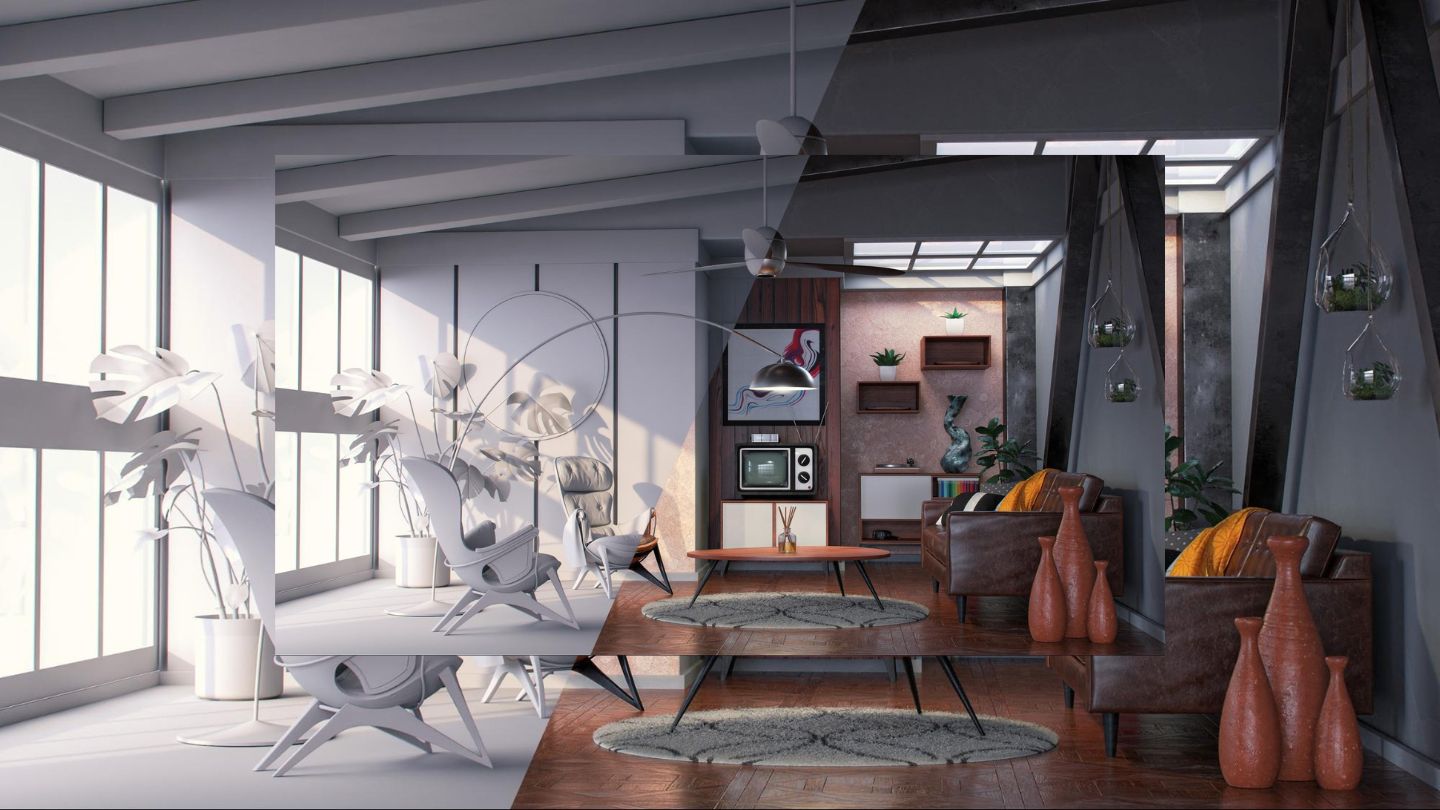
Rendering serves as the final stage of the 3D workflow, turning raw models, textures, lighting, and materials into a polished image or animation. While the process involves complex calculations and rendering engines, the concept is simple: rendering simulates how light interacts with objects in a 3D scene. It blends technical precision with artistic choices, defining shadows, reflections, colors, and fine details that make the artwork look complete.
Artists choose from different rendering engines depending on the desired result. Some engines prioritize realism, using advanced light simulations to create photo-accurate images. Others specialize in stylistic rendering, producing non-photorealistic effects that resemble 2D art, digital painting, or concept art. The rendering stage is where animations gain fluid movement, 3D scenes reveal their atmosphere, and 3D assets become visually compelling works of digital art.
Rendering also influences the overall mood of a 3D artwork. Through lighting choices, such as soft ambient light, dramatic shadows, or warm highlights, artists create emotional impact, depth, and clarity. Rendering allows digital artists to explore different interpretations of the same scene, experimenting with artistic expression that elevates the narrative of the artwork.
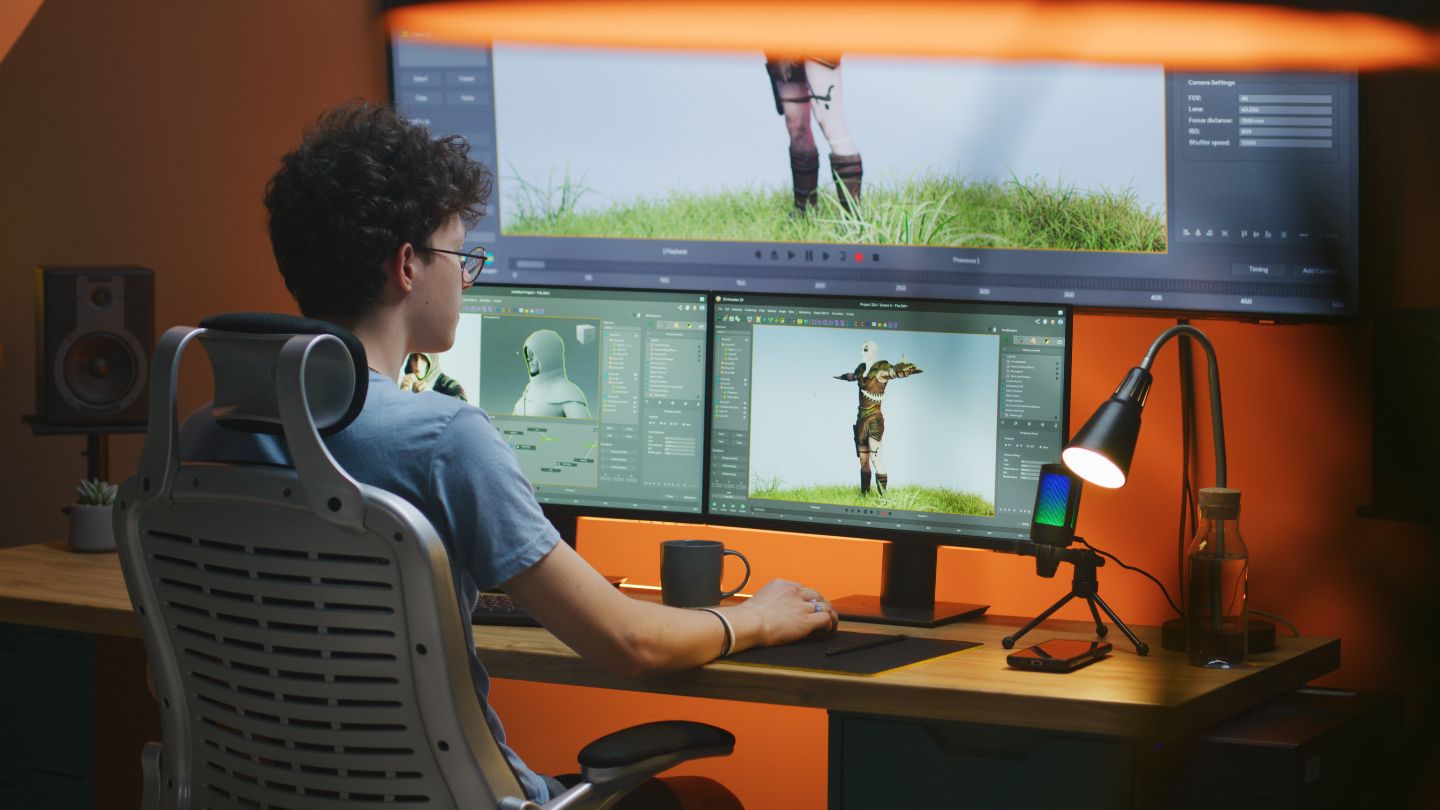
3D animation expands 3D art beyond static images, bringing motion and storytelling to digital creations. Animation involves manipulating a 3D model frame by frame, using keyframes or advanced rigs to create believable movement. Whether animating a character, a product design, or an entire 3D scene, animation combines artistic timing with technical skill to produce smooth, expressive motion. In many projects, 3D character design moves naturally from sketch to screen, with early drawings developing into sophisticated digital forms ready for animation.
Motion graphics also play a significant role in modern 3D creation. By combining typography, shapes, digital art, and animation, artists produce visually engaging content for advertising, branding, entertainment, and digital media. Motion graphics allow artists to experiment with style, rhythm, and energy while integrating 3D assets into a cohesive visual experience.
The impact of 3D digital art extends across many industries. In architecture, 3D modeling provides realistic previews of buildings through architectural visualization, guiding clients through virtual spaces before construction begins. In product design, 3D models allow designers to prototype forms, refine surface detail, and prepare designs for additive manufacturing through 3D printing. In entertainment, 3D artists create environments, characters, and visual effects that define modern cinematic experiences. 3D techniques also play an increasingly important role in shaping memorable visual identities, especially in modern logo design, where depth and stylized forms enhance brand storytelling.
3D digital art continues to evolve with advancements in virtual reality, rendering engines, and digital tools. Artists now explore immersive 3D space, interactive environments, and high-resolution 3D assets with unprecedented creative freedom. The future of 3D art promises even more innovation as software, hardware, and artistic imagination progress together.
Choosing to explore the world of 3D digital art opens the door to limitless creativity, innovation, and artistic expression. With a deeper understanding of how 3D modeling, sculpting, rendering, and animation come together, artists can create immersive visuals that bring imagination into digital form. Whether you’re learning the fundamentals or expanding your skills into advanced techniques, the journey into 3D art offers endless opportunities to grow, create, and transform your artistic vision.
At Emily Art, you gain access to expert guidance and professional support that helps bring your creative concepts to life. As a trusted provider of 3d digital artwork in Fort Lauderdale through their specialized 3D animation services, the studio also offers a range of complementary creative solutions, including 2D animation, digital still art, and art education and training, ensuring artists and clients alike receive comprehensive, high-level artistic support. With a commitment to craftsmanship, innovation, and personalized creativity, Emily Art continues to be a leading partner for those seeking exceptional digital artwork and professional artistic collaboration.
Contact us today to bring your creative vision to life.
