
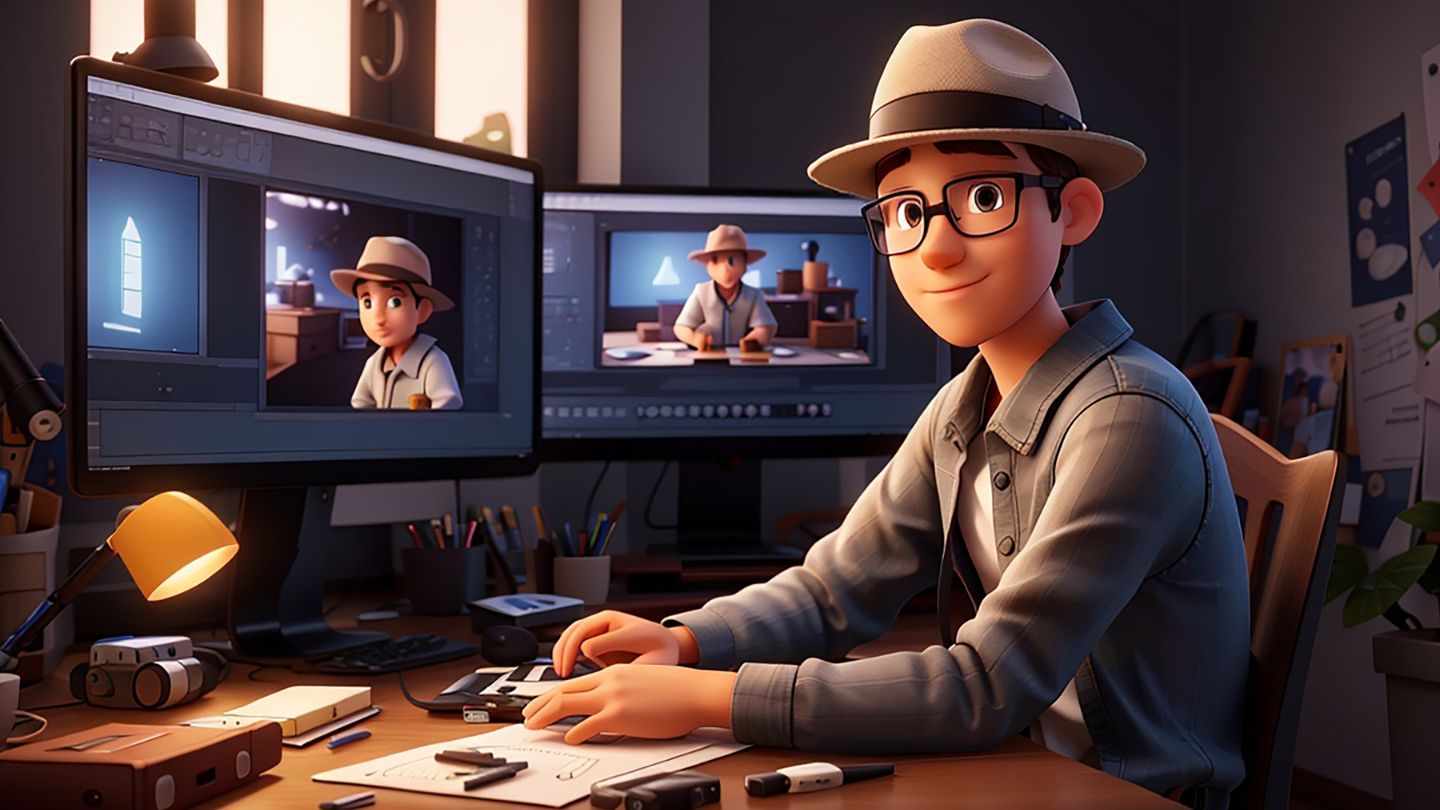
The world of animation is a vast and dynamic landscape, filled with a rich history that has evolved from simple flipbook animation to complex digital 3D creations. While traditional animation methods like hand-drawn cel animation laid the groundwork, the rise of computer-generated imagery has opened up a new dimension of creative possibilities. Today, the different types of 3D animation styles and techniques are more diverse and accessible than ever, powering everything from blockbuster films to immersive virtual reality experiences.
This journey into the digital realm can seem complex. Understanding the various types of 3D animation styles is key to appreciating the artistry and technology behind the captivating visuals we see on screen. We will explore the primary techniques and styles that define modern animation, from realistic character movements to slick motion graphics.
At its core, 3D animation is the process of creating moving images in a three-dimensional digital environment. Unlike 2D animation, which exists on a flat plane, digital 3D animation involves building objects and characters as 3D models within computer software. Animators then manipulate these models frame by frame to create the illusion of movement. This process allows for a level of depth, realism, and camera freedom that is difficult to achieve with 2D techniques.
The creation of an animated video in 3D starts with a 3D model, which is essentially a digital sculpture with a virtual skeleton. This foundation is what animators work with to bring an animated character or object to life. From there, a specific animation style is chosen to dictate the look and feel of the final product.
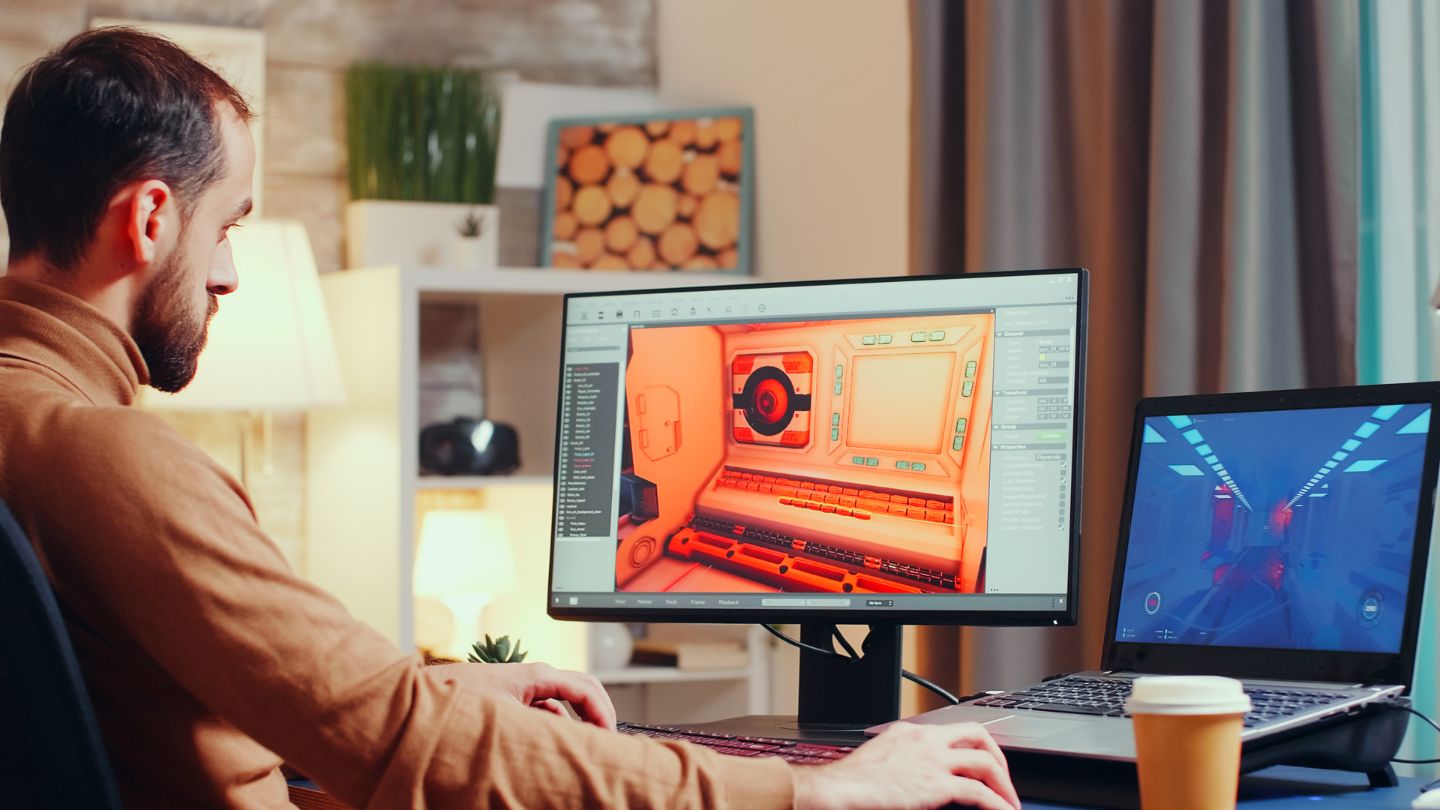
Before diving into the styles, it’s important to understand the fundamental techniques animators use. These methods are the building blocks for creating fluid and believable motion.
One of the most common methods is 3D skeletal animation. This animation technique involves creating a digital skeleton, or “rig,” inside a 3D model. This rig has a series of interconnected bones and joints that allow an animator to manipulate the model in a natural way, similar to a digital puppet. Skeletal animation is crucial for character animation, as it enables animators to create realistic walking, talking, and gesturing motions. A skilled 3D animator can use this technique to convey a wide range of emotions and actions.
Motion graphics involve animating graphical elements like text, logos, and abstract shapes. While often associated with 2D, 3D motion graphics add depth and dynamic camera movements to create visually stunning sequences. This animation style is widely used in commercials, title sequences, and informational videos. Unlike character-focused animation, motion animation here is about bringing life to design elements. Techniques like typography animation fall under this umbrella, transforming static text into a compelling visual narrative.
Mechanical animation focuses on visualizing how machines and products work. It is essential for engineering, product demonstrations, and technical training materials. This 3D animation technique allows for the creation of cutaway views and transparent components to show intricate internal workings that would be impossible to capture with a live-action camera. It provides clarity and a deep understanding of complex mechanisms.
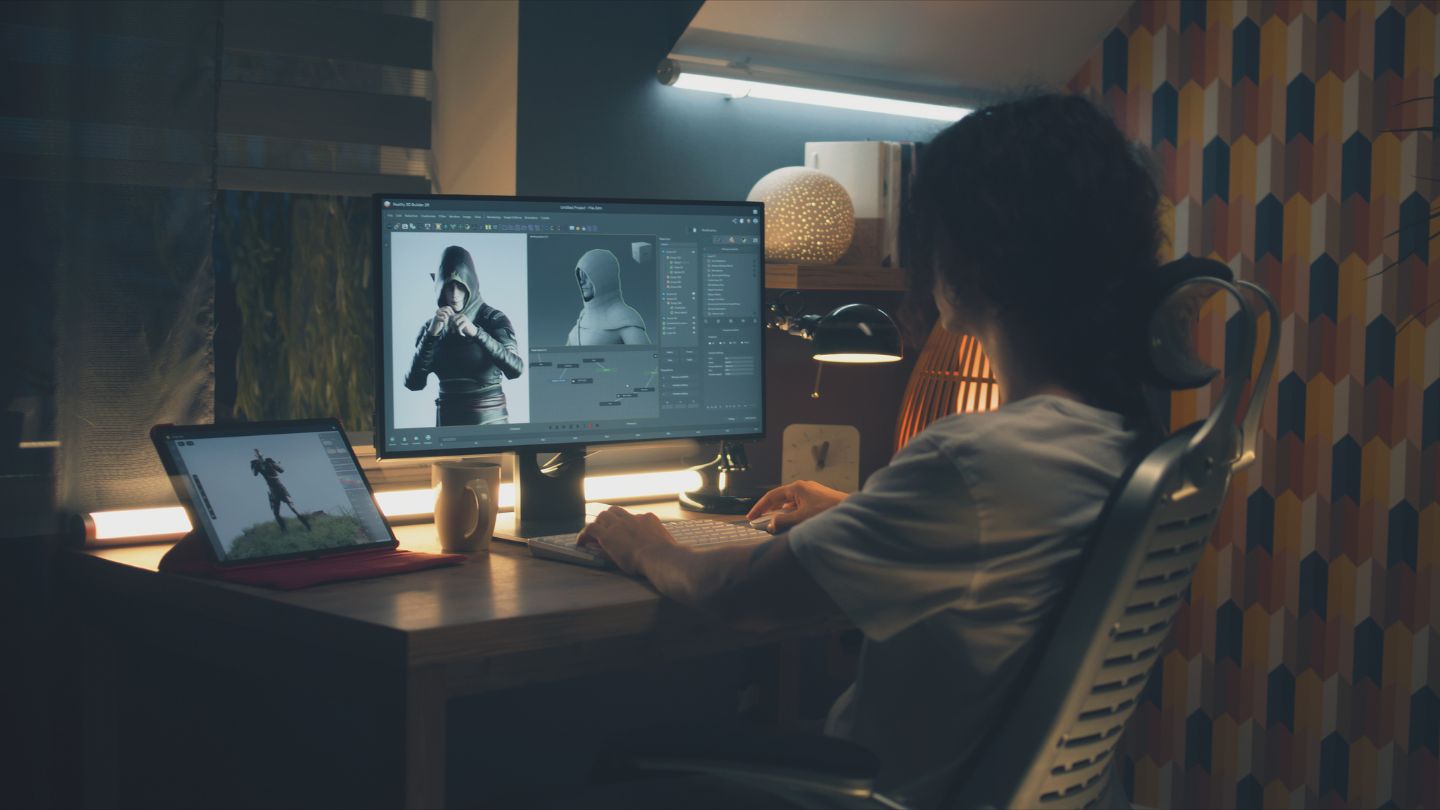
While techniques are the “how,” animation styles are the “what.” The art style defines the visual identity of a project. The animation industry is home to a wide spectrum of 3D animation art styles, each with its unique aesthetic and application.
The goal of realistic 3D animation is to mimic reality as closely as possible. Animators spend countless hours studying physics, anatomy, and light to create lifelike characters and environments. This style is prevalent in high-budget animated films and video games where immersion is key. Achieving this level of detail requires powerful software and a deep understanding of both art and science. The process of bringing a character from a simple drawing to a photorealistic being is a complex art form, as seen in 3D character design from sketch to screen.
Not all 3D animation aims for realism. Stylized or cartoon animation embraces exaggeration and creative freedom. This is one of the most popular types of 3D animation style. Characters may have oversized eyes, impossible physics, and vibrant, non-realistic colors. This style allows for greater emotional expression and is often used in content geared toward families and children. It gives animators the liberty to create unique worlds unbound by the rules of reality. Many businesses also use this style effectively; for example, understanding the role of 3D digital art in creating memorable logos shows how stylized animation principles can build a strong brand identity.
The rise of virtual reality (VR) and augmented reality (AR) has propelled interactive 3D animation to the forefront. Unlike pre-rendered animation for film, real-time animation is generated on the fly by a computer or gaming engine. This allows the user to interact with the 3D environment and characters directly. Developing for virtual reality 3D requires a different approach, focusing on optimization and user experience to create seamless, immersive worlds. Augmented reality animation, which overlays 3D graphics onto the real world, is also a rapidly growing field with applications in gaming, retail, and education.
Abstract 3D animation moves away from narrative and character-driven stories to focus on shape, color, and movement. This experimental animation form is often used in art installations, music videos, and visual effects to evoke mood and emotion. Animators working in this style play with digital 3D tools to create mesmerizing and thought-provoking visuals that are not tied to representing anything concrete.
Read More: 3D Animation Essentials: Principles and Practices
While our focus is on digital 3D, it’s worth noting how it connects to other forms. Many principles from traditional animation, such as squash and stretch, are fundamental to good 3D animation. Techniques like rotoscope animation, where animators trace over live-action footage, have digital counterparts that help create realistic motion paths. Even older methods like cutout animation and puppet animation have influenced the rigging processes used in modern computer animation.
The tools have also evolved significantly. While some 2D animators still use techniques like hand-drawn animation on paper, software like Adobe Animate has bridged the gap, allowing for digital 2D workflows. The distinction between 2D and 3D isn’t always sharp, as many projects blend both to achieve a unique animation style.
The different types of 3D animation offer a powerful and flexible toolkit for storytellers, marketers, and creators across industries. From realistic character animation and immersive interactive 3D environments to expressive stylized visuals, each animation style serves a unique purpose. A technical product demo benefits from precise mechanical animation, while a children’s series thrives with colorful, cartoon-inspired designs. Video games often rely on interactive 3D animation and lifelike movement to fully immerse players. This versatility ensures that every creative goal can be matched with the right 3D animation style and technique.
At Emily Art, we bring ideas to life through professional 3d digital artwork in Fort Lauderdale that blends storytelling, design, and technology. Our creative approach spans multiple visual disciplines, allowing projects to extend beyond 3D animation into 2D animation, detailed digital still art, and comprehensive art education and training. From animated films and branded visuals to augmented reality experiences, our team collaborates closely with clients to craft visuals that are both impactful and memorable. We specialize in a wide range of animation styles and techniques and work closely with you to find the perfect creative direction for your project. Contact us today to discuss how we can turn your vision into a dynamic animated reality.
