

Animation has been a powerful tool for storytelling, marketing, entertainment, and education for decades. From early cartoons to modern films and digital experiences, the world of animation continues to evolve. Among the most common styles are 2D animation and 3D animation, each offering distinct creative approaches and technical processes. But what exactly is the difference between 2D and 3D animation, and why does it matter?
Understanding the difference between 2D & 3D animation can help you choose the right medium for your next animated video, whether you’re an artist, business owner, or aspiring content creator.
2D animation is a traditional method where characters and scenes are created on a flat surface, with movement happening on a two-dimensional plane. This style emphasizes length and height, but lacks the depth found in 3D animation. Early examples of 2D include classic cartoons and hand-drawn films. Today, 2D animation software like Adobe Animate and Pencil 2D has modernized the process, enabling animators to streamline frame creation and effects.
Artists working with 2D art often rely on expressive linework, dynamic poses, and timing to convey emotion and action. Traditional 2D animation can be highly stylized, giving it a unique charm that still holds strong appeal in today’s content landscape.
In contrast, 3D animation involves creating models in a virtual 3D space, giving depth and realism to characters, environments, and objects. It uses techniques such as rigging, lighting, rendering, and simulation to bring motion and emotion to life. Popular tools include Blender, Maya, and 3D Max, which allow 3D animators to sculpt, texture, and animate complex digital scenes.
With lifelike motion, interactive environments, and advanced lighting effects, 3D animation is widely used in films, commercials, video games, and virtual reality applications. Understanding the best practices for directing 3D animation techniques involves balancing artistic vision with technical execution, ensuring consistency in animation style, shot composition, and team collaboration throughout the production process.
While both 2D and 3D aim to create movement and emotion, the difference between 2D animation and 3D animation lies in the tools, perspective, and technique used. In 2D, everything is drawn and viewed from a flat angle, whereas in 3D, you can rotate a 3D model, change the camera view, and simulate real-world physics.
Another important difference is in the animation production process. 2D animation often requires artists to draw multiple frames manually or use twining techniques, while 3D animation typically starts with building a rigged skeleton for characters that can be manipulated digitally. This makes 3D more flexible for reuse, although it generally requires a longer setup phase.
In terms of animation technique, 2D is usually more stylistic and artistic, while 3D leans toward realism and detail. Both can be used for motion graphics, branding, and storytelling, depending on the project’s needs.
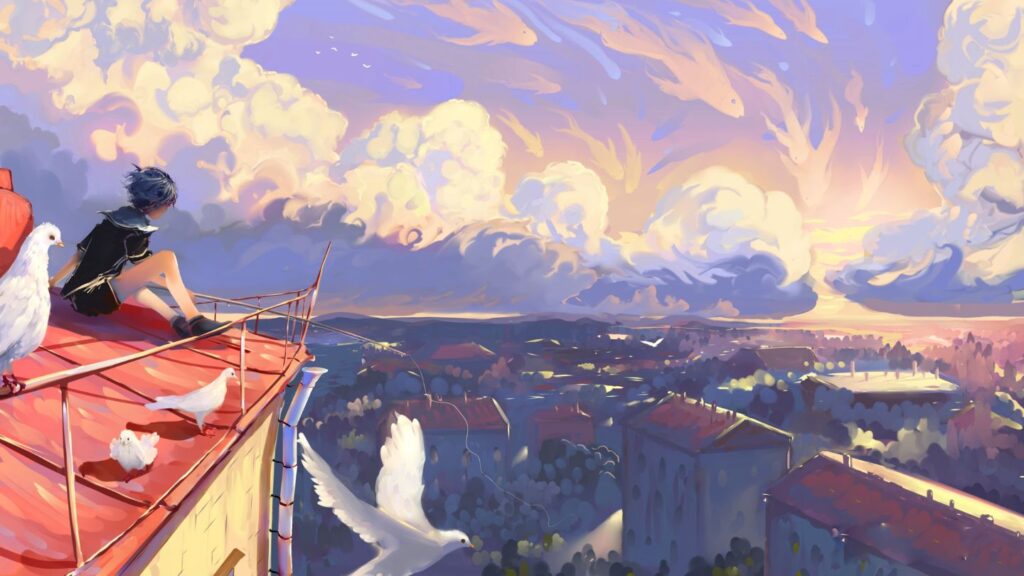
If you’re asking, what is difference between 2D and 3D animation, the answer comes down to your project’s goals, timeline, and budget. 2D animation is ideal for explainer videos, stylized shorts, or mobile games, where artistic expression and simplicity are key. On the other hand, 3D animation works best when realism, interaction, or immersion is required, like in animated films, 3D simulations, or architectural visualization.
Some creators also explore 2.5D animation, which blends elements of both. This style creates the illusion of depth using 2D layers animated in a 3D environment, offering a unique hybrid look. It’s commonly seen in side-scrolling video games or stylized videos.
Skilled animators are essential to the success of both styles. A 2D animator typically focuses on drawing, timing, and character expression, while a 3D animator works with rigged models and software tools to craft smooth, believable motion. Both roles require storytelling skills, attention to detail, and a strong understanding of animation principles.
Animation production in 3D often involves larger teams, 3D modelers, texture artists, lighting specialists, and VFX professionals. In contrast, 2D projects can often be managed by smaller teams or even solo artists using animation software.
Read more: The 3D Animator’s Toolkit
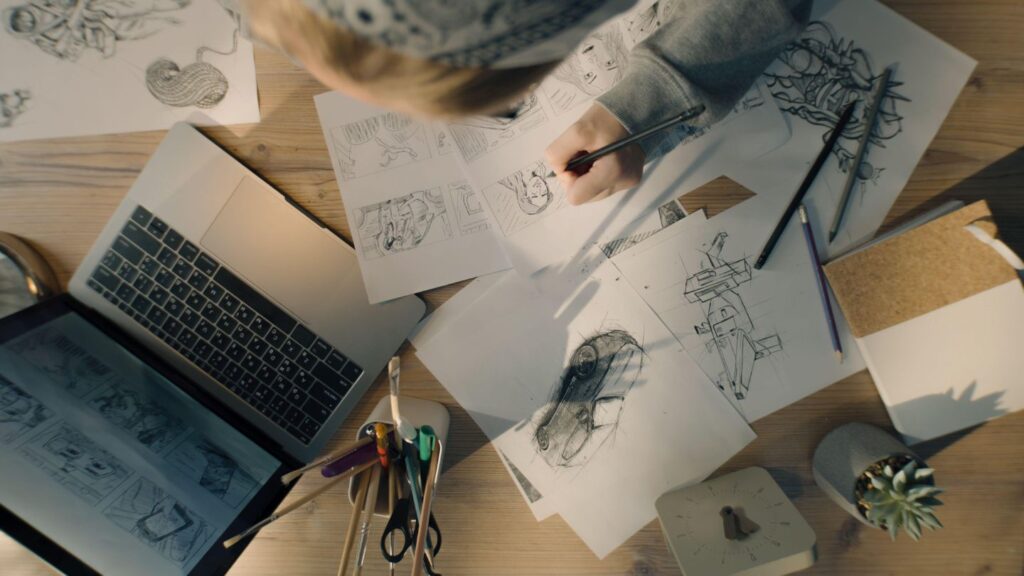
Today, there’s a growing overlap in animation style as projects blend 2D and 3D elements for a fresh visual identity. Many brands use 3D-rendered products with 2D effects layered on top, or vice versa. The availability of tools like Adobe Photoshop for concept art and 3D animation software for modeling makes it easier than ever to experiment across styles.
From hyper-realistic 3D environments to expressive 2D motion in animated explainer videos, there’s no limit to how animation can bring stories to life.
So, what’s the difference between 2D and 3D animation in summary? It’s more than just artistic style, it’s a fundamental difference in how scenes are built, animated, and delivered. Whether you want the expressive fluidity of 2D animation or the realism and flexibility of 3D animation, your decision should be guided by your message, audience, and production goals.
Understanding the difference between 3D and 2D animation empowers you to make creative choices that enhance your storytelling and resonate with viewers. There’s no one-size-fits-all solution; each project may demand a different approach, and that’s the beauty of working in animation.
At Emily Art, our digital artist in Fort Lauderdale, FL, specializes in both 2D and 3D animation, offering creative direction, technical expertise, and custom solutions to match your vision. Whether you’re building a brand, designing a game, or crafting your first animated video, our team is ready to help.
If you’re looking to explore the world of 3D animation in Fort Lauderdale, we invite you to contact us today and discover how our tailored services can bring your story to life.
