
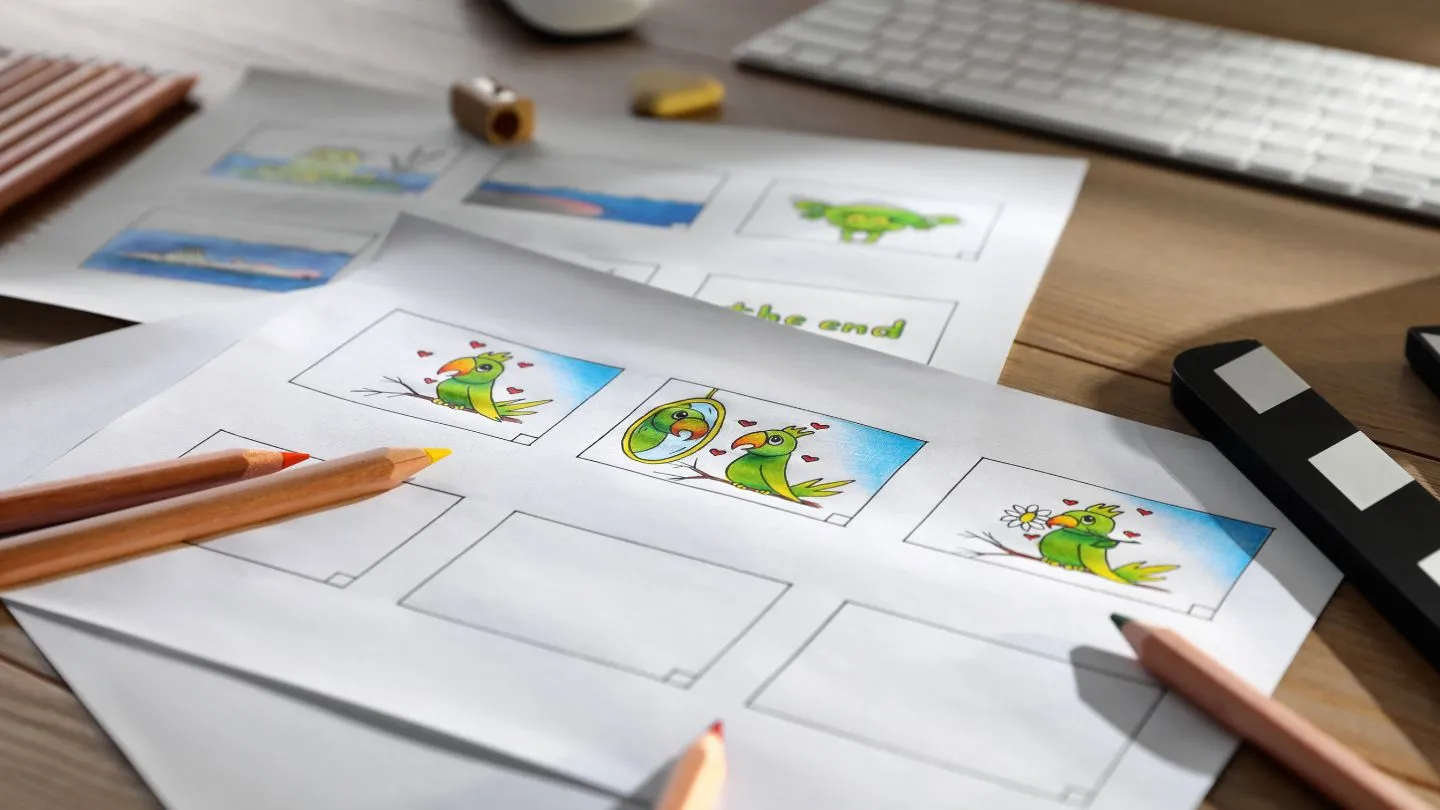
Creating a compelling animation involves much more than drawing characters and moving them across a screen. Every successful animated project begins with a clear plan that guides the creative process from concept to completion. This is where storyboarding plays a critical role. For businesses, brands, and organizations looking to communicate ideas through animation, understanding what storyboarding is in 2d animation can help reveal why professional animation projects achieve stronger visual storytelling and better results.
Before a single frame is animated, a storyboard acts as the blueprint that maps out scenes, transitions, camera angles, character actions, and narrative flow. Whether the goal is to create an engaging marketing video, an educational animation, or branded visual content, storyboarding provides the foundation that allows a project to move forward efficiently and effectively.
To understand why storyboarding is essential for 2D animation, it is important first to understand the purpose of a storyboard. A storyboard is a sequence of illustrated panels that visually represent the progression of an animation. Each panel serves as a snapshot of a scene, showing how characters, objects, backgrounds, and actions will appear throughout the final production. It transforms written concepts into a visual roadmap, making it easier for clients, artists, and animators to see how the finished animation will unfold. For projects that require a clear understanding of the entire production journey, a well-planned storyboard also supports a smoother 2D production process by connecting early ideas to the visual structure required for professional animation.
In 2D Blender animation projects, storyboards help establish timing, pacing, scene composition, and storytelling direction long before production begins. This planning stage ensures that everyone involved shares a clear vision of the project and its goals.
One of the most common questions businesses ask is why storyboarding is important in 2d animation when animation software already allows scenes to be built digitally. The answer lies in efficiency, clarity, and creative direction. Storyboarding allows animation teams to identify opportunities, refine concepts, and visualize the narrative before significant production resources are invested.
By reviewing storyboard panels, stakeholders can evaluate whether the message is clear, whether scenes flow logically, and whether the visual storytelling aligns with the intended objectives. This early planning stage creates a smoother production process and contributes to stronger final results.
Without a storyboard, animation projects often require more revisions because visual decisions are being made during production rather than before it begins. Storyboarding provides confidence that every scene serves a purpose and supports the overall narrative.
Every successful animation tells a story, regardless of whether it is promotional, educational, or entertainment-focused. Storyboards help transform ideas into a structured visual narrative that audiences can easily follow.
A storyboard allows creative teams to organize scenes in a logical sequence and determine how information should be revealed throughout the animation. It ensures that viewers remain engaged and that key messages receive appropriate emphasis.
When storytelling is carefully planned from the beginning, the final animation feels more cohesive, professional, and impactful. Storyboards serve as the bridge between an initial concept and a fully realized visual experience.
Consistency is a hallmark of high-quality animation. Storyboards help maintain visual continuity by defining character positions, scene layouts, camera perspectives, and transitions before animation production starts.
This consistency is particularly valuable in complex projects involving multiple scenes and detailed storytelling. Storyboards ensure that characters remain recognizable, environments stay visually aligned, and transitions support the overall flow of the narrative.
By establishing visual guidelines early in the process, professional animation teams can create polished animations that feel unified from beginning to end.
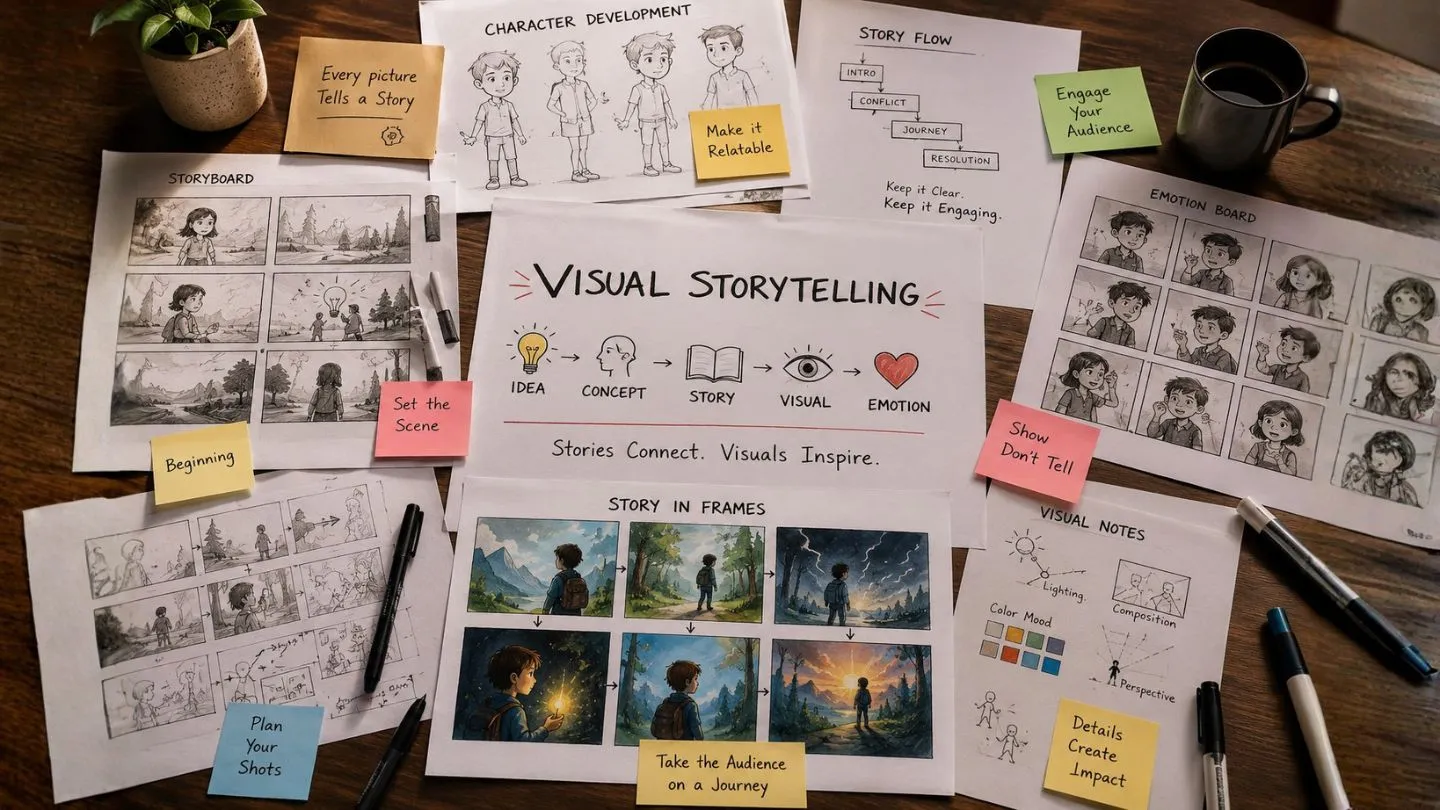
One reason why storyboarding is essential for 2d animation is its ability to improve collaboration and communication. Animation projects often involve input from business owners, marketing teams, project managers, creative directors, and animators. Storyboards provide a visual reference that allows everyone to review and discuss the project before production begins.
Instead of relying solely on written descriptions, stakeholders can see exactly how scenes will appear and how the story will progress. This shared understanding helps ensure that expectations are aligned and that feedback can be incorporated efficiently. Clear communication during pre-production often leads to smoother workflows and stronger project outcomes.
Animation is not simply about movement; it is also about visual presentation. Storyboards allow animators to experiment with scene composition, camera angles, framing, and perspective before production begins.
Every shot contributes to the viewer’s experience. Storyboards help determine where attention should be directed, how information should be presented, and how visual elements can work together to support storytelling objectives.
Through careful planning, creative teams can establish dynamic scenes that maintain audience interest while reinforcing key messages.
A well-developed storyboard serves as a production roadmap, guiding every stage of animation development. When scenes are clearly planned, animators can focus on execution rather than constantly making structural decisions during production. This organized workflow helps streamline project development and allows teams to maintain momentum throughout the animation process.
Storyboards also help identify potential adjustments before animation begins, allowing refinements during planning rather than in later stages of production. As a result, projects progress more smoothly while maintaining a clear creative direction from start to finish.
Animation succeeds when audiences connect with what they see. Storyboards play an important role in defining character movements, expressions, and interactions that contribute to emotional engagement.
By planning these moments visually, creative teams can ensure that characters communicate effectively and that important scenes deliver the intended impact.
Whether the objective is to educate, inspire, inform, or promote, storyboards help create meaningful visual experiences that resonate with viewers and support communication goals.
Many organizations use animation as a marketing tool because it simplifies complex ideas and captures audience attention. This is especially valuable when brands want animated visuals that feel purposeful, polished, and aligned with the creative direction often explored through professional 2D animation classes. Storyboards help businesses visualize how their messages will be presented before production begins.
This early visualization process allows marketing teams to evaluate messaging, branding, pacing, and opportunities for audience engagement. Adjustments can be made while concepts are still in development, ensuring the final animation aligns with strategic objectives.
Storyboards, therefore, become an essential planning tool for businesses seeking professional animated content that delivers measurable value.
Every animation project should support a specific objective. Whether the goal is to increase brand awareness, explain a service, showcase a product, or educate an audience, storyboards help ensure that creative decisions remain aligned with those goals. It also helps businesses decide how different visual styles can support their message, especially when comparing the storytelling possibilities of 2D and 3D animation.
By outlining scenes and visual messaging in advance, creative teams can build a stronger connection between storytelling and business outcomes. This alignment helps maximize the effectiveness of the finished animation and supports long-term marketing success.
Professional storyboarding allows organizations to approach animation strategically rather than treating it as a purely artistic exercise.
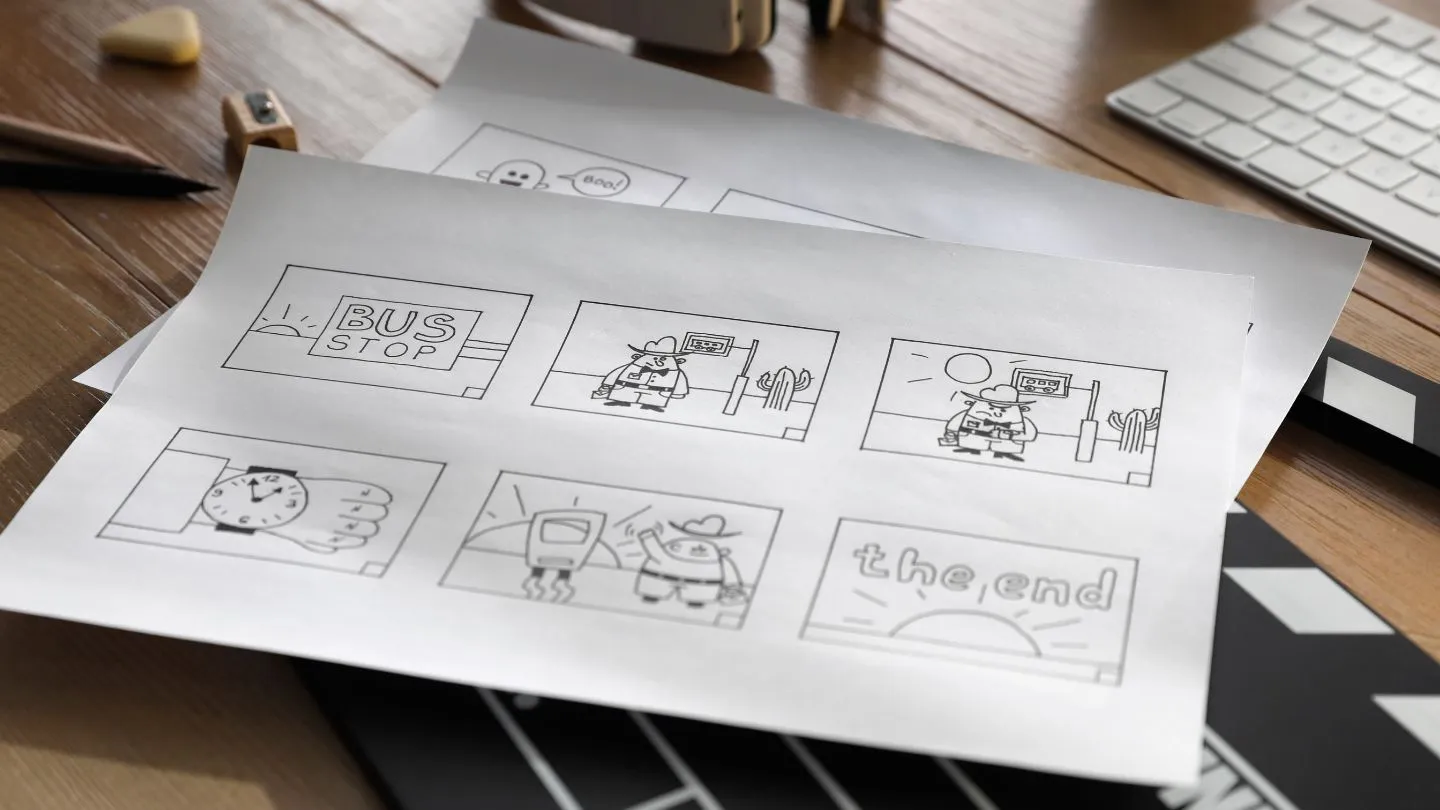
Professional animation projects benefit significantly from experienced storyboarding because it combines creativity, strategic thinking, and technical understanding. Skilled animation professionals know how to structure visual narratives, create engaging scene compositions, and establish workflows that support successful production.
Rather than relying on trial and error, professional storyboarding provides a clear path forward, helping projects maintain quality, consistency, and efficiency throughout development.
For businesses investing in animated content, professional storyboarding is a critical step that directly contributes to stronger storytelling and more polished final results.
Read More: What Is 2D Animation? Step-By-Step Guide for 2D Production Process
Understanding what storyboarding is in 2d animation, why it is important, and why it is essential reveals just how valuable this planning stage is to the success of any animation project. Storyboards establish creative direction, improve collaboration, strengthen storytelling, and support efficient production workflows. By building a strong visual foundation before animation begins, businesses can achieve more engaging, professional, and effective animated content.
At Emily Art, we specialize in creating high-quality 2d blender animation in Fort Lauderdale that transforms concepts into compelling visual experiences. Our professional team carefully develops each project through strategic planning, creative storytelling, and expert animation techniques to deliver results that align with your brand objectives and leave a lasting impression on viewers. In addition to 2D animation services, we offer professional 3D animation, stunning digital still art, and comprehensive art education and training, providing creative solutions tailored to a wide range of artistic and visual communication needs. Ready to turn your ideas into engaging visual stories? Contact us today.
