
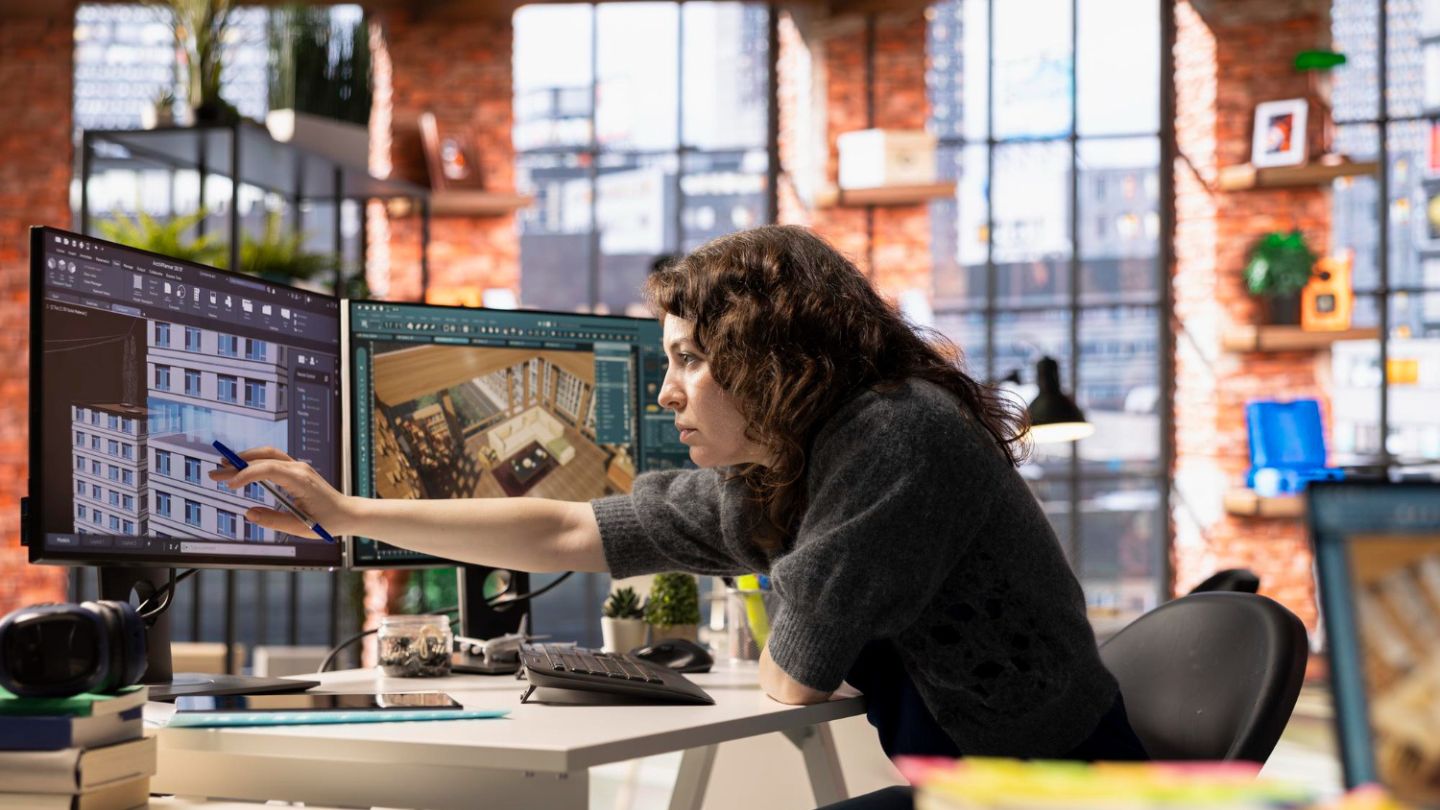
Every memorable 3D animated character begins with a compelling design, but exceptional movement is what truly brings that character to life. Whether an animation is created for entertainment, advertising, architecture, gaming, product visualization, or brand storytelling, believable movement is what transforms static digital models into engaging visual experiences. Behind every expressive gesture, natural walk cycle, realistic facial expression, and dynamic action sequence lies one essential process: character rigging.
Character rigging forms the technical and creative foundation that allows digital characters to move smoothly and naturally throughout an animation. Without a professionally developed rig, even the most beautifully modeled character cannot deliver convincing performances. This is why studios and businesses alike recognize how character rigging supports high-quality 3D animation projects from concept to final production.
As animation standards continue to rise, audiences expect realistic movements, expressive personalities, and seamless interactions between characters and their environments. Achieving these expectations requires careful planning, technical precision, and artistic expertise. Understanding how character rigging improves 3D animation projects provides valuable insight into why this stage is considered one of the most important parts of professional animation production.
Character rigging is the process of creating a digital skeleton and control system inside a three dimensional character model. This internal framework allows animators to manipulate the character naturally without altering the model itself.
The rig functions much like the human skeletal and muscular systems. Bones, joints, controllers, constraints, and deformation systems work together to produce realistic movement while maintaining the character’s proportions and appearance.
Rather than moving thousands of individual vertices manually, animators simply manipulate intuitive controls designed specifically for different body parts. This streamlined workflow enables efficient production while maintaining consistent animation quality throughout an entire project.
Professional rigging also accounts for complex body mechanics, ensuring movements remain believable from subtle facial expressions to energetic action sequences.
Animation relies on movement, but movement depends entirely on the quality of the rig beneath the character. A professionally developed rig provides structure, flexibility, and consistency throughout production. Every pose, expression, and motion builds upon this invisible system. Without it, animations become difficult to control, time-consuming to produce, and visually inconsistent.
This explains how 3D animation projects depend on character rigging from the earliest stages of production through final rendering. A strong rig allows artists to focus on storytelling instead of constantly correcting technical issues.
When multiple animators collaborate on large productions, standardized rig controls also help maintain consistent character performances across every scene.
Understanding how character rigging supports high-quality 3D animation projects begins with recognizing the relationship between movement and storytelling.
Every animated character communicates through body language. Small movements such as raising an eyebrow, shifting weight, or turning the head help audiences interpret emotion and intention. These subtle details are only possible when the rig has been carefully designed for flexibility and precision.
Professional rigging also supports complex sequences involving running, jumping, lifting, climbing, dancing, or interacting with props. Instead of limiting creativity, advanced rigs give animators greater freedom to create believable performances while maintaining natural anatomy.
In commercial animation, product demonstrations, educational videos, cinematic sequences, and promotional content, this consistency enhances the overall viewing experience and strengthens audience engagement.
Because the rig serves as the foundation for every animated scene, investing in quality rigging improves every stage that follows.
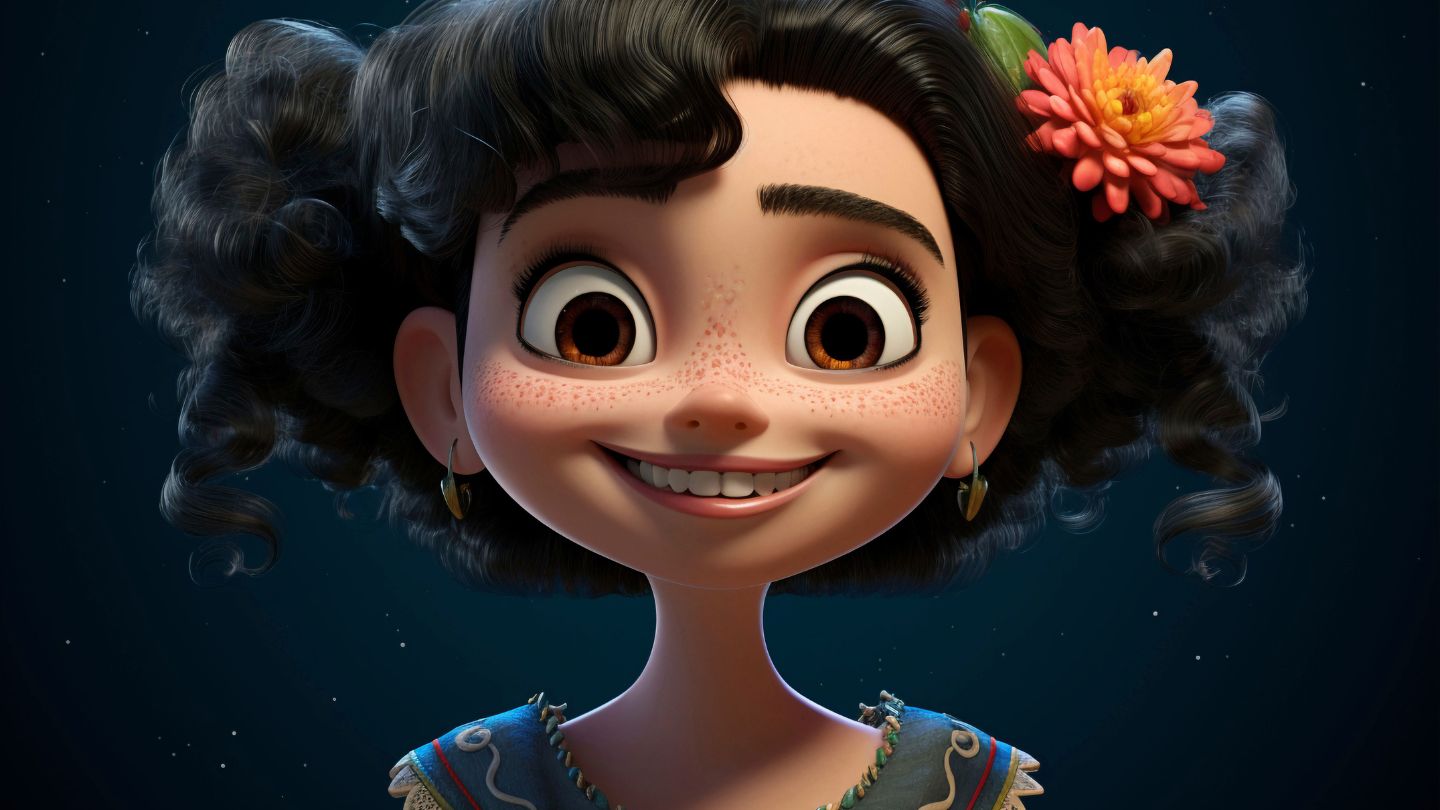
Characters become memorable because they express personality. Every smile, gesture, glance, and posture contributes to storytelling. Professional rigging allows these performances to feel authentic rather than mechanical.
Facial rigs contain specialized controls for eyebrows, eyelids, lips, cheeks, jaw movement, and eye direction. These controls enable animators to create nuanced emotional expressions that resonate with viewers. Similarly, body rigs provide natural movement across shoulders, hips, knees, elbows, wrists, fingers, and the spine. Smooth transitions between poses help eliminate stiffness while creating fluid performances that feel lifelike.
This demonstrates how character rigging enhances 3D animation quality by giving characters the expressive range necessary for compelling storytelling.
Realistic movement involves far more than simply rotating joints. Professional character rigs include advanced systems that simulate natural biomechanics while maintaining artistic control. Inverse kinematics, forward kinematics, deformation controls, stretch systems, and corrective shapes all work together to produce convincing motion.
These systems prevent common issues such as collapsing elbows, distorted knees, unnatural shoulders, or unrealistic bending. As a result, animators spend less time correcting technical problems and more time refining performances.
High-quality rigs also improve interaction between characters and their environments, allowing hands to grasp objects naturally, feet to remain planted during movement, and body mechanics to respond realistically to different actions.
Animation production involves multiple stages, often requiring collaboration among modelers, rigging artists, animators, lighting artists, and rendering specialists. Efficient rigging creates consistency throughout this workflow.
When animators receive intuitive controls, they can focus on timing, acting, and storytelling instead of struggling with technical limitations. Scenes are completed faster while maintaining a high standard of quality.
This clearly illustrates how character rigging improves 3D animation projects by reducing production delays and minimizing revisions. Reusable rig systems also simplify projects involving recurring characters, allowing consistent animation across multiple scenes, episodes, advertisements, or campaigns. Professional rigging therefore contributes not only to visual excellence but also to efficient project management.
Not every animation requires the same movement style. Some projects prioritize realism, while others embrace stylized motion with exaggerated poses and expressive timing. A well-designed rig accommodates both approaches without sacrificing quality.
Cartoon characters often require squash, stretch, oversized expressions, and playful body mechanics. Corporate explainers benefit from clean, controlled movement that communicates information clearly.
Cinematic productions demand subtle realism with detailed facial performances and accurate physical interaction. A flexible rig allows animators to adapt character movement according to each project’s creative direction while maintaining consistent performance throughout production.
Consistency becomes increasingly important as projects grow in size. Feature animations, marketing campaigns, educational series, training videos, and promotional content often involve numerous scenes created over extended production schedules. Professional rigs ensure characters maintain identical proportions, movement behavior, facial expressions, and control systems throughout every sequence.
Without standardized rigging, subtle inconsistencies accumulate over time, reducing the professional appearance of the final animation. Understanding how 3D animation projects depend on character rigging helps explain why experienced production teams invest significant time in rig development before animation begins.
Modern animation production rarely involves a single artist completing every stage independently. Instead, specialized teams collaborate throughout modeling, texturing, rigging, animation, lighting, rendering, and post-production.
Character rigging acts as the bridge connecting these departments. Modelers create visually appealing characters through the 3D character design from sketch to screen process. Animators use those controls to produce engaging performances. Lighting artists and rendering specialists then present those performances with cinematic quality. Because each stage depends on the previous one, reliable rigging supports smoother collaboration and reduces communication challenges across the production pipeline.
Large animation projects often include scenes involving multiple characters interacting simultaneously. These sequences require carefully engineered rigs capable of handling complicated movement without creating technical issues.
Characters may lift objects, shake hands, sit, run together, embrace, perform synchronized actions, or react dynamically to environmental changes. Professional rigging enables these interactions while preserving natural body mechanics and preventing mesh distortion. This preparation becomes especially valuable when scenes require repeated revisions during production. Stable rigs simplify updates while maintaining animation consistency throughout the project.
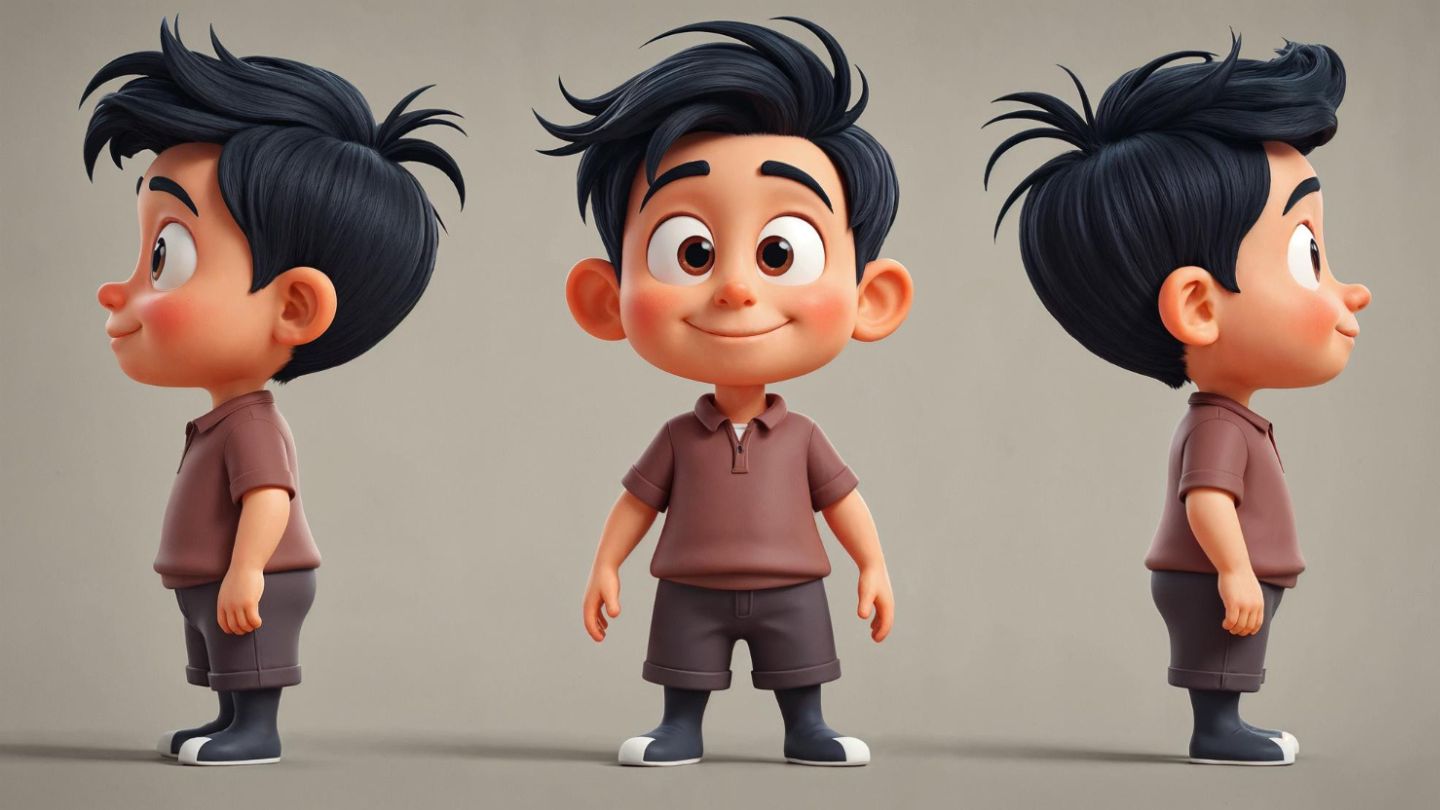
Human audiences naturally connect with facial expressions. Even subtle changes in eye direction, mouth shape, or eyebrow position influence emotional interpretation. Professional facial rigging gives animators access to hundreds of possible expressions while maintaining smooth transitions between them.
Characters can communicate happiness, curiosity, determination, surprise, excitement, confidence, or empathy with remarkable realism. These expressive capabilities significantly strengthen storytelling, advertising campaigns, educational content, and entertainment projects alike, reflecting the art of 3D character animation. This is another important example of how character rigging enhances the quality of 3D animation by helping audiences connect emotionally with animated characters.
Character rigging extends far beyond entertainment. Businesses across numerous industries rely on animated characters to communicate ideas, demonstrate products, educate audiences, and strengthen brand engagement. Marketing campaigns use animated mascots to build memorable customer experiences.
Educational organizations use animated instructors to simplify complex topics. Healthcare presentations use animated characters to explain procedures. Architecture firms use animated people to create realistic visualizations. Manufacturing companies use animated workers for safety training. Regardless of industry, professionally rigged characters improve communication through believable movement and engaging visual storytelling.
High-quality rigging provides benefits that extend well beyond a single project. Characters built with scalable rig systems can be reused, updated, expanded, and adapted for future productions while maintaining consistent quality. New animations become faster to produce because the foundational rig already exists.
Marketing campaigns can evolve over time without rebuilding characters from scratch. Educational content can expand into additional modules while maintaining visual continuity. This long-term efficiency demonstrates why organizations continue investing in professional rigging as part of sustainable animation workflows.
Character rigging combines artistic understanding with advanced technical knowledge. Developing reliable rigs requires expertise in anatomy, movement mechanics, deformation systems, controller design, production workflows, and animation requirements.
Every character presents unique challenges depending on body proportions, clothing, accessories, facial complexity, and intended movement style. Professional rigging artists carefully balance flexibility, stability, efficiency, and animator usability throughout the development process. Rather than relying on generic solutions, experienced teams build customized rigs that support the specific goals of each animation project. This personalized approach results in smoother production, stronger storytelling, and higher-quality final animations.
Character rigging is the foundation of engaging and visually impressive animation, ensuring every movement feels natural, expressive, and consistent. A professionally built rig strengthens storytelling, improves production efficiency, and supports outstanding visual results, making it an essential element in creating successful high-quality 3D animation projects.
Emily Art delivers expert 3D animation in Fort Lauderdale, with creative solutions tailored to every project. We also provide 2D animation, digital still art, art education, and training to support diverse creative goals. Let us help transform your ideas into captivating animations with professional quality and artistic excellence.
