

In the modern digital age, visual communication has evolved far beyond static imagery. Today’s audiences expect immersive experiences that engage their senses, spark curiosity, and resonate on an emotional level. At the heart of this transformation lies digital storytelling, a creative practice where technology and artistry work together to craft a compelling narrative. Within this space, digital art is not merely decorative; it’s a dynamic storytelling medium that captures attention, stirs emotion, and leaves a lasting impression.
Whether presented in the form of an animated short, an interactive installation, or a conceptual visual piece, digital art has the power to amplify a story far beyond the capabilities of traditional media. It can weave together visuals, narrative structure, and multimedia elements to create a seamless journey for the viewer. This is where the impact of storytelling in digital art truly shines, transforming abstract ideas into captivating visual experiences.
The impact of storytelling in digital art lies in its ability to merge creative expression with advanced digital tools. Unlike conventional art forms, which may rely on static imagery, digital works can evolve and adapt to incorporate interactive elements, motion, and sound. This integration makes the narrative more immersive and relatable.
Through carefully crafted visual storytelling, artists can lead viewers through a journey, whether it’s a compelling story of resilience, a commentary on contemporary issues, or a glimpse into imagined worlds. Digital platforms make it possible to share these experiences instantly, reaching global audiences across social media, websites, and digital media outlets. This interconnectedness ensures that the story doesn’t just live in one space, it travels, resonates, and grows.
When considering how digital art amplifies storytelling, the answer lies in the medium’s flexibility and richness. Visual narratives can be enhanced with movement, depth, and texture, making the storytelling process multidimensional. An artist may begin with concept art to set the tone, then layer in animation, 3D rendering, or augmented reality to create interactive experiences.
This combination of traditional creativity and digital technology results in effective storytelling that appeals to both visual and emotional sensibilities. Viewers are not just passive observers; they become participants in the journey. By tapping into storytelling techniques such as pacing, perspective, and symbolic imagery, artists can evoke powerful emotional responses, making the digital story unforgettable.
The process of using digital art to tell powerful stories involves more than simply illustrating an idea. It’s about constructing a visual narrative where every element, color, lighting, and composition serves the narrative technique. For example, warm tones may be used to evoke emotions of nostalgia, while sharp contrasts can create tension or intrigue.
These techniques enable artists to design immersive experiences that transport audiences into new worlds. The rise of virtual reality and interactive storytelling has expanded these possibilities even further, allowing for multimedia elements that engage multiple senses. In this environment, the audience doesn’t just watch the story unfold; they live it.
In narrative creation, digital art serves as both the medium and the message. The role of digital art in narrative creation is to provide the framework for a story while also delivering the emotional impact. This is especially relevant for projects that aim to inspire, educate, or provoke thought. Mastering composition, color, and form, skills necessary for the art of digital illustration, is essential for crafting visually stunning narratives that resonate deeply with audiences.
Through graphic design, illustration, and digital design, artists can shape a digital narrative that is both visually stunning and intellectually engaging. The integration of new media formats, such as social commentary pieces or graphic novel adaptations, showcases how adaptable and versatile this medium can be. With visual literacy becoming an essential skill in today’s world, the ability to convey complex ideas through imagery is more valuable than ever.
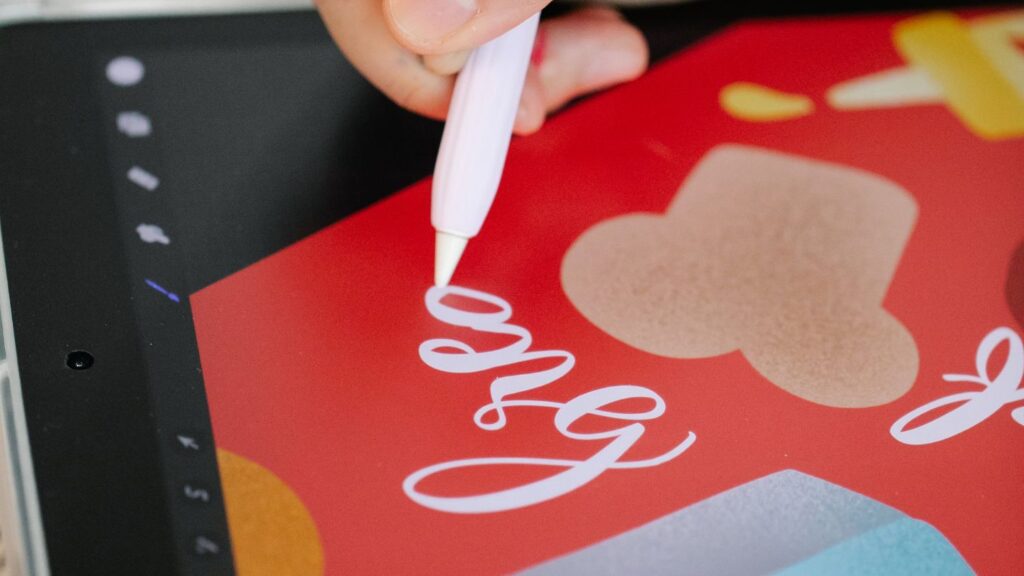
Understanding how digital art brings stories to life involves recognizing the synergy between storytelling and innovation. By leveraging digital content formats, such as animations, interactive displays, or VR environments, artists can create moments that feel tangible and real.
A single visual art piece can transition into a full immersive experience when enriched with interactive elements or layered with a narrative structure. In this way, digital art doesn’t just depict the story; it animates it, breathes life into it, and ensures it resonates with the audience long after the viewing experience ends.
The true strength of storytelling in 3D is its ability to evoke emotions. The choice of imagery, rhythm of the narrative, and depth of the visuals all contribute to this emotional connection. A well-executed digital story can spark joy, reflection, or even a call to action.
Artists can utilize interactive experiences to deepen that bond, allowing audiences to influence or explore the storyline in unique ways. This approach not only increases engagement but also fosters a personal connection to the compelling story being told.
In the current digital marketing landscape, the value of digital storytelling cannot be overstated. Businesses and creators alike recognize that a compelling narrative has the power to cut through noise and forge genuine connections with audiences. Through digital platforms, stories can be adapted for different formats, whether it’s a short animation for social media, a web-based interactive storytelling project, or a VR installation for an event.
Graphic design and digital design elements work together to ensure that each piece of digital content maintains visual consistency while reinforcing the core narrative. This strategic alignment ensures that the message not only reaches its audience but also leaves a lasting impression.

Even as we move deeper into the digital age, the principles of traditional storytelling remain vital. Digital artists often draw on these foundations, adapting them through digital technology to create works that resonate with contemporary audiences.
Whether developing illustration for a graphic novel or crafting an interactive storytelling experience, the blend of timeless storytelling techniques with cutting-edge innovation ensures that the final product is both meaningful and visually captivating. This marriage of tradition and modernity is at the heart of effective storytelling in the digital era.
As digital tools continue to advance, the possibilities for creative expression through digital art will only expand. Expect to see more integration of augmented reality, virtual reality, and AI-driven interactive elements that respond to viewer actions. These innovations will push visual narratives into new territory, creating unprecedented opportunities for audience engagement.
With new media formats evolving rapidly, digital platforms will play an even greater role in delivering immersive experiences that combine story, design, and technology into a unified whole. The challenge and opportunity for artists will be to maintain the integrity of their narrative while embracing these emerging tools.
Storytelling in the digital era has transcended boundaries, becoming a seamless blend of artistry and technology. By merging visual storytelling with innovative mediums, digital art creates an environment where stories are not only told but experienced. The ability to combine narrative structure, visuals, and interactivity allows for a level of engagement that was once unimaginable, making these stories more relatable and impactful for audiences around the world.
At Emily Art, we bring these concepts to life with the skill and vision of a professional digital media artist. Our approach focuses on creating immersive, emotionally resonant stories that align with your brand’s voice and vision. Through customized digital storytelling solutions, we transform ideas into unforgettable experiences that leave a lasting connection with your audience. Contact us today to see how we can help your story come alive.
