
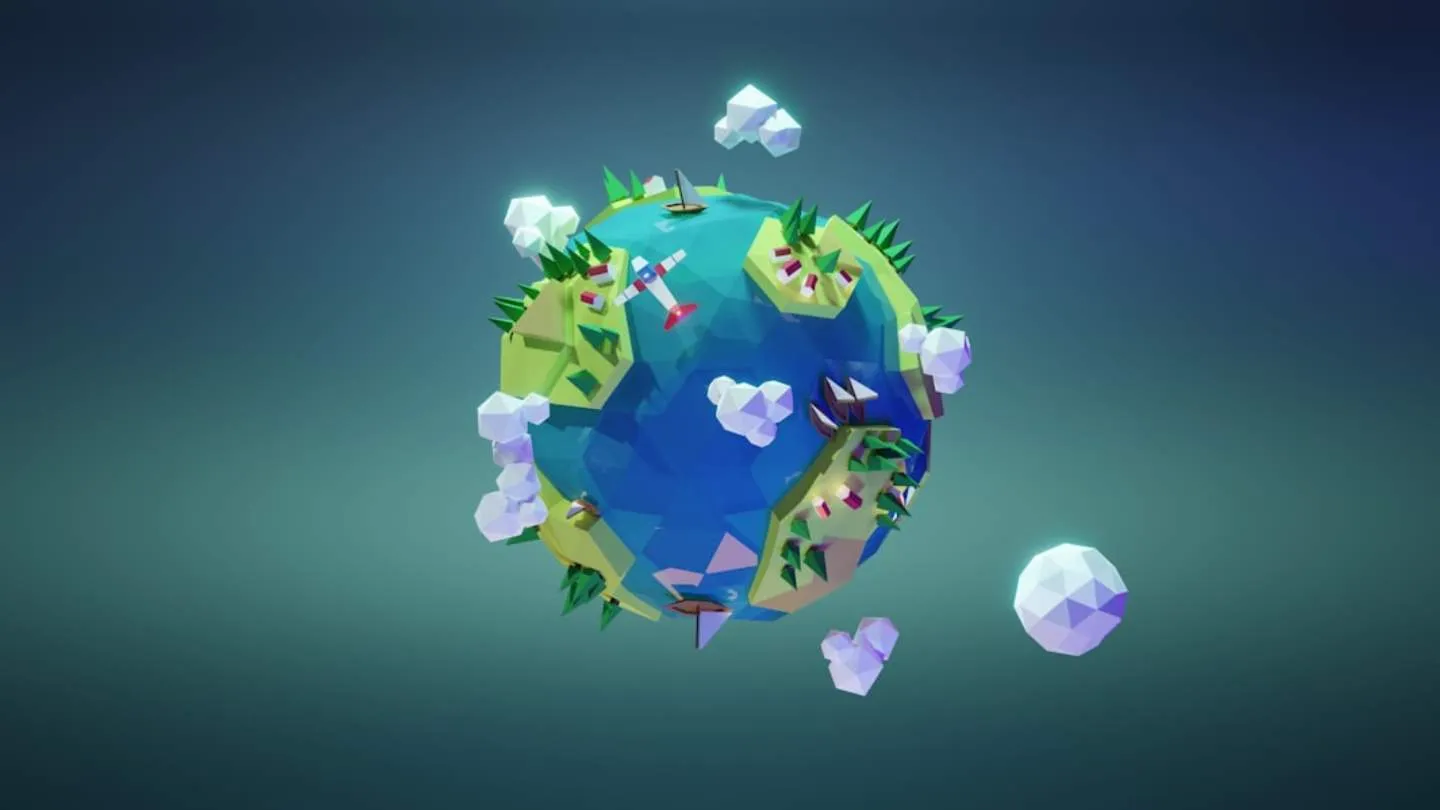
3D character animation is a technique used in the entertainment industry to bring fictional characters to life. It involves creating and manipulating digital models of characters, and animating them to move and interact in a virtual environment. This form of animation has become increasingly important in the entertainment industry, as it allows for more realistic and immersive storytelling experiences.
3D character animation is the process of creating and animating digital models of characters in a three-dimensional space. It involves several steps, including modeling, rigging, texturing, and animation. Modeling is the process of creating a digital representation of the character, while rigging involves adding a skeleton structure to the model to allow for movement. Texturing is the process of adding color and texture to the model, and animation involves creating movement and actions for the character.
To create 3D character animation, animators use various tools and software. Some popular software used in the industry include Autodesk Maya, Blender, and Cinema 4D. These programs provide a range of features and tools that allow animators to create realistic and dynamic animations.
Storytelling plays a crucial role in 3D character animation as it helps to engage the audience and create emotional connections with the characters. A well-told story can make the audience feel invested in the characters and their journey, leading to a more immersive and enjoyable experience.
Successful examples of 3D character animation with strong storytelling can be seen in films such as Pixar’s “Toy Story” series and Disney’s “Frozen.” These films not only showcase impressive animation techniques but also tell compelling stories that resonate with audiences of all ages. The combination of visually stunning animation and engaging storytelling is what makes these films so successful.
Realistic movement is essential in 3D character animation as it helps to create believable and immersive experiences for the audience. There are several techniques that animators use to achieve realistic movement, including motion capture and keyframe animation.
Motion capture involves recording the movements of a real-life actor or performer and applying those movements to a digital character. This technique allows for highly realistic and natural-looking movement, as it captures the nuances and subtleties of human motion. Keyframe animation, on the other hand, involves manually animating each frame of the character’s movement. This technique requires a deep understanding of anatomy and physics to create convincing and lifelike movements.
Emotion is a crucial element in 3D character animation as it helps to create a connection between the characters and the audience. By conveying emotions through their movements and expressions, characters become more relatable and engaging.
To create emotional performances in 3D character animation, animators use various techniques. They study human behavior and body language to understand how emotions are expressed physically. They also pay attention to facial expressions and use facial rigging techniques to create realistic and expressive faces. Additionally, animators often use reference footage of actors or themselves acting out the desired emotions to capture the subtleties of human emotion.
Lip syncing is an important aspect of 3D character animation, as it helps to create the illusion that the character’s speech is synchronized with their lip movements. Accurate lip syncing is crucial for creating believable and immersive experiences for the audience.
To achieve accurate lip syncing, animators study phonetics and speech patterns to understand how different sounds are formed by the mouth. They also use reference footage of actors or themselves speaking the dialogue to capture the subtle movements of the lips and mouth. Additionally, animators often use specialized software that allows them to manipulate the character’s facial rig to match the desired lip movements.
Memorable character designs are essential in 3D character animation, as they help to create unique and recognizable characters. A well-designed character can leave a lasting impression on the audience and become an iconic figure in popular culture.
To create memorable 3D character designs, animators should focus on creating characters that are visually distinct and have strong visual appeal. They should consider the personality and traits of the character and incorporate them into the design. Additionally, animators should pay attention to details such as color, shape, and silhouette to create visually interesting and appealing characters.
Rigging is a crucial step in 3D character animation, as it allows for the movement and manipulation of the character’s digital model. Rigging involves creating a skeleton structure for the character and adding controls that allow animators to pose and animate the character.
Rigging is important because it determines how the character will move and deform during animation. A well-rigged character will have a flexible and intuitive control system that allows for smooth and natural movement. Rigging also plays a role in creating realistic facial expressions and lip syncing, as it involves setting up controls for the character’s facial rig.
Lighting and texturing are essential elements in 3D character animation, as they help to create a realistic and immersive environment for the characters. Lighting sets the mood and atmosphere of a scene, while texturing adds detail and realism to the characters’ appearance.
In 3D character animation, lighting is used to simulate natural or artificial light sources and create shadows and highlights on the characters. It helps to define the shape and form of the characters and adds depth and dimension to the scene. Texturing involves applying images or patterns to the character’s digital model to create the appearance of different materials such as skin, fur, or clothing. It adds detail and realism to the characters’ appearance and helps to create a more immersive experience for the audience.
The field of 3D character animation is constantly evolving, with advancements and innovations in technology pushing the boundaries of what is possible. One area of advancement is in real-time rendering, which allows for more realistic and interactive experiences. This technology is already being used in video games and virtual reality applications, and it has the potential to revolutionize the way we experience animation.
Another area of innovation is in the use of artificial intelligence and machine learning in 3D character animation. These technologies can be used to automate certain aspects of the animation process, such as motion capture or lip syncing. They can also be used to create more realistic and intelligent characters that can interact with the audience in real-time.
Read More: The Future of Digital Art: Emerging Trends and Technologies
3D character animation has had a significant impact on the entertainment industry, revolutionizing the way stories are told and characters are brought to life. It has allowed for more realistic and immersive experiences, and has opened up new possibilities for storytelling.
Successful examples of 3D character animation can be seen in films such as “Avatar,” which pushed the boundaries of visual effects and created a fully immersive world. In television, shows like “Game of Thrones” have used 3D character animation to bring fantastical creatures to life. In video games, titles like “The Last of Us” have used 3D character animation to create emotionally engaging experiences.
In conclusion, 3D character animation is a crucial element in the entertainment industry, and a skilled digital artist in Fort Lauderdale enables more realistic and immersive storytelling. It involves the creation and manipulation of digital models of characters, and the animation of those characters to create movement and interaction. The process of 3D character animation involves several steps, including modeling, rigging, texturing, and animation. Various techniques and tools are used to create realistic movement, convey emotions, and create memorable character designs. The future of 3D character animation holds exciting advancements and innovations that will continue to push the boundaries of what is possible in the field. Overall, 3D Animation has had a significant impact on the entertainment industry, revolutionizing how stories are told and characters are brought to life, alongside other vital services such as 2D animation, digital still art, and foundational art education and training.

Emily Sarah Leeds is a writer and creative enthusiast at Emily Art, where she shares insights on art, creativity, design, and artistic expression. With a passion for exploring visual storytelling and creative techniques, Emily creates informative content that helps readers discover inspiration, develop their artistic skills, and stay connected with the evolving world of art.