
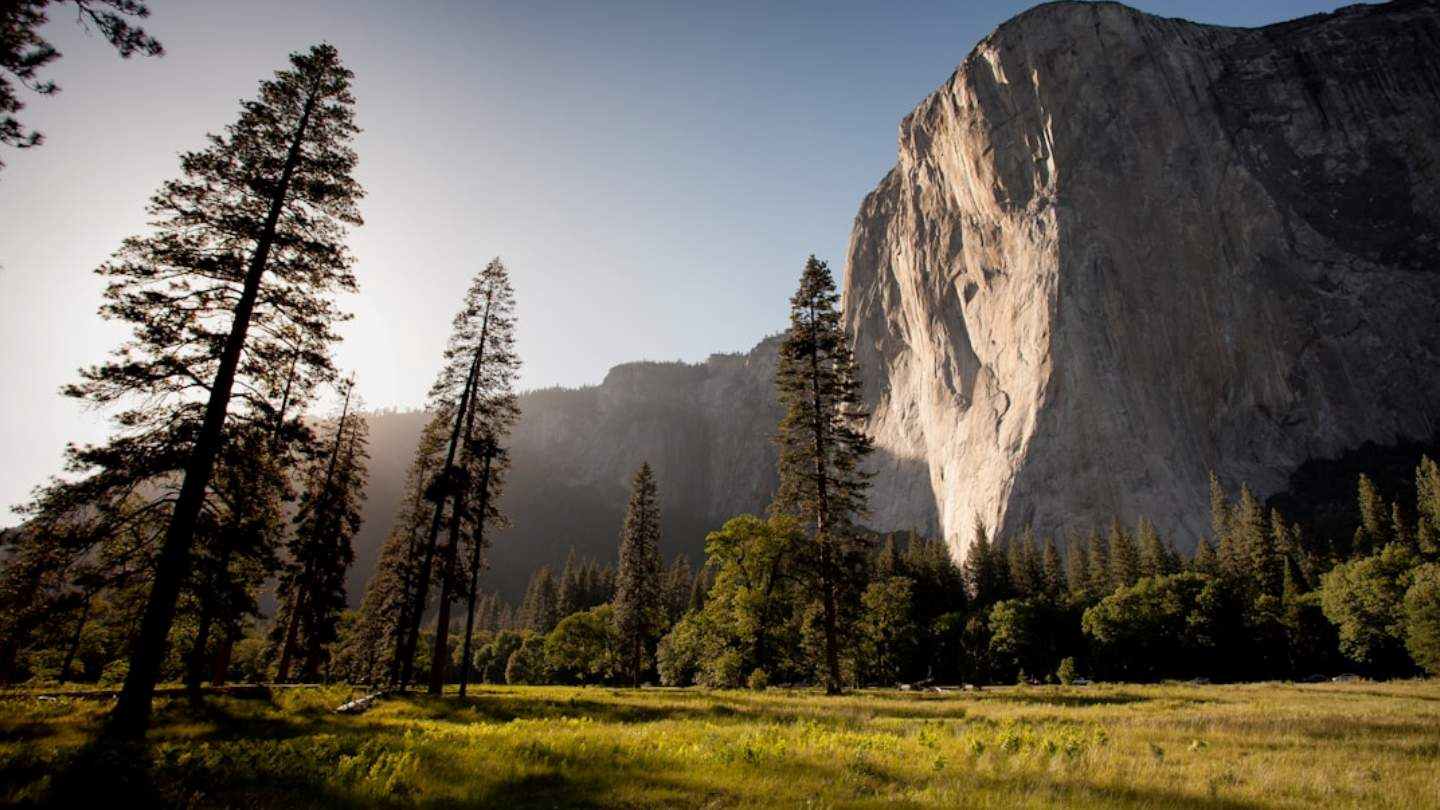
Digital landscape painting is the art of creating landscape paintings using digital tools and software. It allows artists to create stunning landscapes using a variety of digital brushes, colors, and techniques. Unlike traditional landscape painting, which requires physical materials such as paint and canvas, digital landscape painting can be done entirely on a computer or tablet.
One of the advantages of digital landscape painting is the ability to easily make changes and corrections. With traditional painting, once a brushstroke is made, it cannot be undone. However, with digital painting, artists can easily erase or modify their work without damaging the original image. This allows for greater experimentation and flexibility in the creative process.
The history of digital landscape painting can be traced back to the 1980s when computer graphics software became more widely available. Artists began experimenting with digital tools to create landscapes and other forms of art. Over the years, advancements in technology have made digital painting more accessible and realistic. Today, there are numerous software options available specifically designed for digital painting.
To create digital landscape paintings, artists need to understand the basics of digital painting software. There are several software options available, each with its own set of features and tools. Some popular choices include Adobe Photoshop, Corel Painter, and Procreate.
Basic tools and techniques for digital painting include brushes, layers, and blending modes. Brushes are used to apply color and texture to the canvas. They come in various shapes and sizes, allowing artists to create different effects. Layers are used to separate different elements of the painting, making it easier to make changes and adjustments. Blending modes allow artists to blend colors together seamlessly.
Understanding color theory is also important in digital painting. Artists need to understand how colors interact with each other and how to create harmonious color schemes. This includes understanding concepts such as hue, saturation, value, and temperature.
When it comes to digital landscape painting, choosing the right tools and software is crucial. There are several software options available, each with its own set of features and capabilities. Some popular choices include Adobe Photoshop, Corel Painter, and Procreate.
In addition to software, artists also need to choose the right hardware for digital painting. This includes a computer or tablet with sufficient processing power and a high-resolution display. Some artists prefer to use a graphics tablet, which allows for more precise control and mimics the experience of traditional painting.
Recommended tools for digital landscape painting include a stylus or digital pen, which allows for more precise control when applying brushstrokes. A drawing tablet or graphics tablet is also recommended, as it provides a more natural drawing experience compared to using a mouse.
Creating realistic landscapes in digital painting requires an understanding of composition and perspective. Composition refers to how elements are arranged within the painting, while perspective refers to how objects appear in relation to each other and the viewer.
When creating landscapes, it is important to consider the rule of thirds, which involves dividing the canvas into nine equal parts using two horizontal and two vertical lines. Placing points of interest along these lines or at their intersections can create a more visually appealing composition.
To create realistic landscapes, artists should also pay attention to details such as lighting and shadows. Light sources should be consistent throughout the painting, and shadows should be cast in a realistic manner. This helps create depth and dimension in the artwork.
Common mistakes to avoid in digital landscape painting include overusing filters and effects, relying too heavily on reference photos without adding personal touches, and neglecting to experiment with different brushes and techniques.
Layers are an essential tool in digital painting as they allow artists to separate different elements of the painting and make changes without affecting the entire image. When working with layers, it is important to organize them in a logical manner, such as separating the background, midground, and foreground onto different layers.
Choosing the right brushes is also important in digital landscape painting. There are a wide variety of brushes available, each with its own unique characteristics. Some brushes are designed to mimic traditional painting techniques, while others are more suited for creating textures or special effects. Experimenting with different brushes can help artists find the ones that work best for their style and desired effects.
Tips for using layers and brushes effectively include using layer masks to hide or reveal parts of a layer, adjusting brush settings such as opacity and flow to create different effects, and experimenting with different blending modes to achieve desired results.
Adding depth and texture to digital landscape paintings is essential for creating realistic and visually appealing artwork. Depth refers to the illusion of space and distance in a painting, while texture refers to the surface quality of objects.
To create depth in digital landscapes, artists can use techniques such as atmospheric perspective, which involves making objects in the distance appear lighter and less detailed compared to objects in the foreground. This helps create a sense of depth and distance.
Texture can be added to digital landscapes using various brush techniques. Artists can experiment with different brush settings such as size, opacity, and flow to create different textures. They can also use textured brushes or apply texture overlays to add depth and visual interest to their paintings.
Creating mood and atmosphere in digital landscape paintings is important for evoking emotions and setting the tone of the artwork. Mood refers to the overall feeling or emotion conveyed by the painting, while atmosphere refers to the overall ambiance or environment depicted.
To create mood and atmosphere in digital landscapes, artists can use techniques such as color and lighting. Warm colors such as reds and oranges can create a sense of warmth and coziness, while cool colors such as blues and greens can create a sense of calmness or tranquility.
Lighting is also important in creating mood and atmosphere. Artists can experiment with different lighting techniques such as backlighting, side lighting, or dramatic lighting to create different effects. They can also use techniques such as softening or intensifying the light source to create different moods.
Color theory is an important aspect of digital landscape painting as it helps artists understand how colors interact with each other and how to create harmonious color schemes. Understanding concepts such as hue, saturation, value, and temperature can help artists create more visually appealing and realistic landscapes.
When using color in digital landscapes, artists should consider the mood or atmosphere they want to convey. Warm colors such as reds, oranges, and yellows can create a sense of warmth and energy, while cool colors such as blues, greens, and purples can create a sense of calmness or tranquility.
Creating color harmony in digital landscapes involves using colors that are visually pleasing together. This can be achieved by using complementary colors (colors that are opposite each other on the color wheel), analogous colors (colors that are next to each other on the color wheel), or monochromatic colors (different shades of the same color).
Light and shadow play a crucial role in creating realistic and visually appealing digital landscape paintings. Understanding how light interacts with objects and how shadows are cast can help artists create more convincing and three-dimensional artwork.
When incorporating light and shadow in digital landscapes, artists should consider the direction and intensity of the light source. This will determine where highlights and shadows are placed on objects. Artists should also pay attention to the color of the light source, as it can affect the overall color temperature of the painting.
Techniques for creating realistic lighting in digital landscapes include using techniques such as softening or intensifying the light source, using different brush settings to create highlights and shadows, and paying attention to how light interacts with different surfaces and textures.
Once digital landscape paintings are complete, artists have several options for showcasing their artwork. One option is to print the paintings on high-quality paper using a professional printer. This allows artists to create physical copies of their artwork that can be framed and displayed.
When printing digital landscape paintings, it is important to choose the right paper and printer. Artists should choose a paper that is compatible with their printer and that has a suitable finish for their desired effect. Matte papers are often preferred for landscape paintings as they reduce glare and provide a more natural look.
Another option for displaying digital landscape paintings is through digital displays. Artists can showcase their artwork on digital screens or monitors, allowing for easy sharing and viewing. This option is especially popular for artists who create digital artwork exclusively.
In conclusion, digital landscape painting is a versatile and accessible form of art that allows artists to create stunning landscapes using digital tools and software. By understanding the basics of digital painting, choosing the right tools and software, and incorporating techniques such as composition, perspective, color theory, light and shadow, depth and texture, mood and atmosphere, artists can create realistic and visually appealing digital landscape paintings. With the right printing and display options, artists can showcase their artwork in various formats, whether it be through physical prints or digital displays.

Emily Sarah Leeds is a writer and creative enthusiast at Emily Art, where she shares insights on art, creativity, design, and artistic expression. With a passion for exploring visual storytelling and creative techniques, Emily creates informative content that helps readers discover inspiration, develop their artistic skills, and stay connected with the evolving world of art.