 Skip to content

Animation is a complex art form that blends creativity, technical precision, and storytelling into a seamless visual experience. Before characters move, before scenes come to life, and before production starts, there is a crucial foundation that shapes the entire animation process: storyboarding. Understanding what storyboarding is in animation helps clarify why it remains one of the most essential stages in animation production. Storyboarding is not simply a planning tool; it is the backbone of visual storytelling, guiding animators, artists, and the production team from concept to final animation.
At its core, storyboarding transforms ideas into a visual representation that aligns creative vision with technical execution. Whether working on an animated film, explainer video, or 2D animation project, storyboards ensure clarity, efficiency, and cohesion across every stage of production.
What Is Storyboarding in Animation and Why It Matters
To understand the purpose of storyboarding in animation, it helps to view it as a bridge between the script and the screen. An animation storyboard is a sequence of illustrated panels that map out key scenes, camera angles, character movement, and transitions. Each storyboard panel represents a moment in the story, allowing the animator and storyboard artist to visualize how the narrative will unfold before animation production begins.
Storyboarding matters because animation is time-intensive and resource-heavy. Without clear planning, projects risk miscommunication, wasted effort, and inconsistent storytelling. Effective storyboarding ensures that every scene has intent, visual flow, and emotional impact, setting the stage for a polished final product.
The Role of Storyboarding in Animation Production
What does storyboarding do in animation production? It creates a shared language between creative and technical teams. Storyboards allow directors, animators, story artists, and clients to align on vision early in the production process. By illustrating scenes in advance, teams can evaluate pacing, composition, camera movement, and visual elements before committing to full animation.
Storyboarding also supports script analysis by breaking down dialogue, action, and emotional beats into visual form. This helps identify key scenes, refine storytelling, and ensure narrative clarity. In animation production, storyboarding acts as a blueprint that guides everything from character movement to camera angles, ensuring consistency throughout the animation process.
How Does Storyboarding Help Animation Projects Succeed
Understanding how does storyboarding help animation projects reveals why it is indispensable. Storyboards reduce uncertainty by answering critical questions early: How should a scene transition? Which camera angle best conveys emotion? How should characters interact within the environment?
By addressing these elements upfront, storyboarding improves efficiency and creative confidence. It allows the production team to test ideas visually, adjust pacing, and refine storytelling without costly revisions later. Detailed storyboards help ensure that production flows smoothly once animation production starts, minimizing delays and maximizing creative impact.
The Creative Expertise of the Storyboard Artist
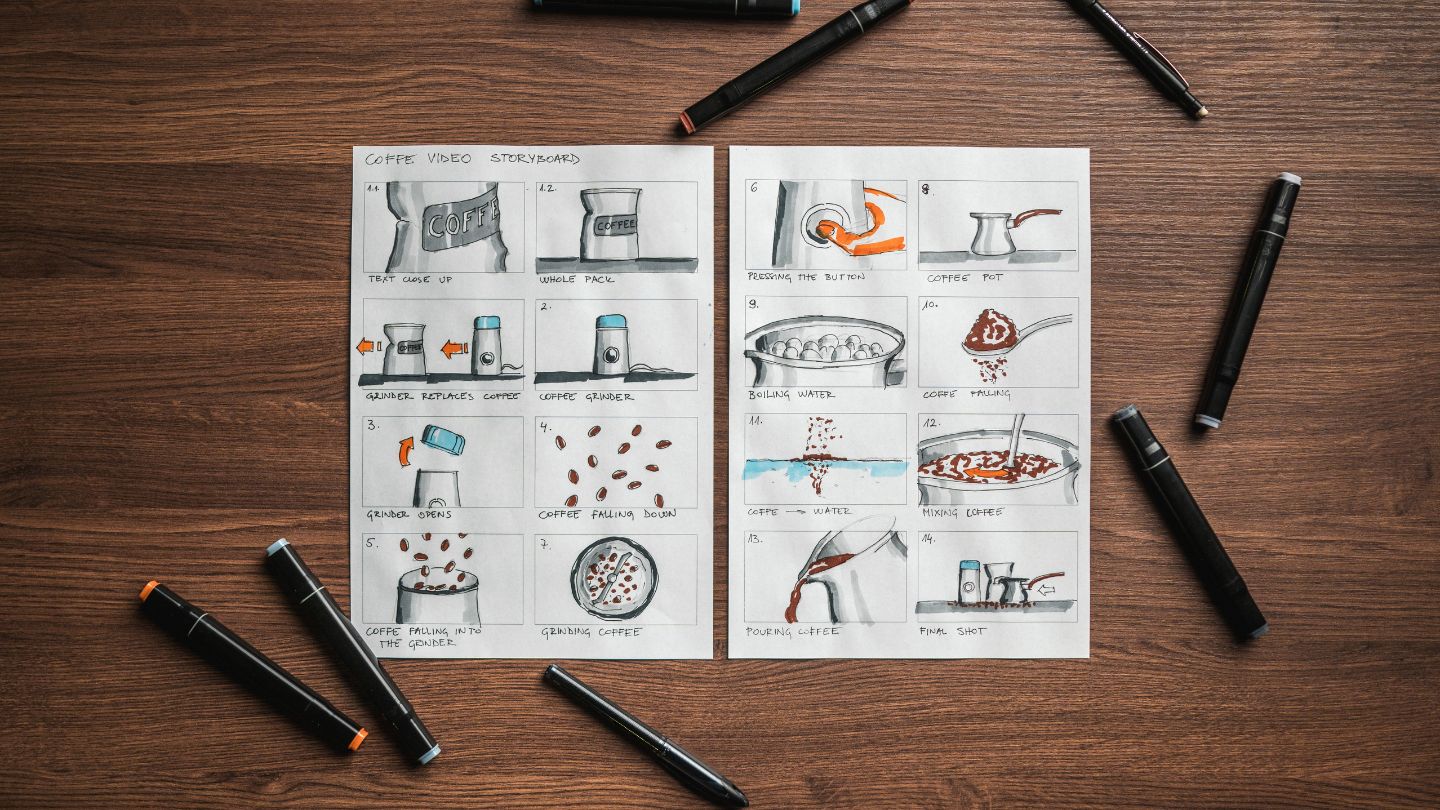
A storyboard artist plays a vital role in animation production. This artist translates narrative concepts into visual sequences that capture mood, timing, and storytelling intent. A skilled storyboard artist understands composition, movement, and visual storytelling, making decisions that influence how audiences experience the story. For many artists, choosing the right 2D animation classes for their artistic goals is important for developing strong storyboarding skills, visual clarity, and narrative thinking.
Storyboard artists collaborate closely with animators and directors, ensuring that storyboards align with the animation style, whether it is 2D animation, 3D animation, or hybrid formats. Their work bridges creative imagination with technical feasibility, shaping the foundation of the animation project.
Storyboarding as Visual Storytelling
Storyboarding is the heart of visual storytelling. It allows ideas to be communicated through imagery rather than words alone. Storyboards clarify how characters move through space, how scenes transition, and how emotional connections are conveyed visually.
In animation, visual storytelling is especially critical because every movement and expression must be intentionally designed. Storyboarding ensures that visual elements support the narrative, guiding viewers seamlessly through the story. From subtle camera movement to dynamic action sequences, storyboards define how the story feels as much as how it looks.
Tools and Techniques in the Storyboarding Process
The storyboarding process often combines traditional artistry with modern digital tools. Many storyboard artists use software such as Toon Boom Storyboard Pro or Adobe Photoshop to create detailed storyboards efficiently. These tools allow for precise layout, layering, and revisions while maintaining artistic flexibility. The difference between 2D vs 3D animation often shapes how storyboard artists approach camera planning, spatial depth, and visual continuity during the storyboarding process.
An effective storyboard balances detail with clarity. While it does not require fully rendered artwork, it must clearly communicate camera angles, scene composition, and character movement. Effective storyboarding focuses on storytelling priorities rather than visual polish, ensuring that creative intent remains central.
Storyboards in Different Types of Animation
Storyboards are essential across all forms of animation, including animated film, explainer video content, and video production for educational or commercial purposes. In 2D animation, storyboards help define timing, framing, and expressive character movement. In many projects, understanding what 2D animation is helps clarify how storyboards guide timing, framing, and character movement throughout the production process.
Animation storyboards also adapt to different production needs. For example, explainer videos rely heavily on clear visual communication, making storyboarding critical for conveying complex ideas simply. In animated films, storyboards support narrative depth, pacing, and emotional engagement across longer formats.
Collaboration Within the Production Team

Storyboarding fosters collaboration across the production team. By presenting a visual roadmap, storyboards allow animators, designers, and producers to provide feedback early. This collaborative process strengthens creative alignment and ensures that everyone works toward the same vision.
Storyboards also serve as a reference throughout the production process. As animation progresses, teams can revisit storyboards to maintain consistency and quality. This continuity helps ensure that the final animation reflects the original creative intent while meeting technical and storytelling standards.
From Storyboard to Final Animation
The transition from storyboard to final animation marks a critical phase in animation production. Once storyboards are approved, they guide layout, animation, and post-production decisions. Camera angles, scene transitions, and character movement outlined in the storyboard inform every stage of development.
Because storyboards establish the visual structure early, they help streamline the animation process. This efficiency allows artists to focus on refining motion, expression, and visual detail, ultimately enhancing the quality of the final product.
The Lasting Importance of Effective Storyboarding
Effective storyboarding remains essential because it balances creativity with practicality. It ensures that storytelling goals are met while respecting production timelines and resources. Whether working on a short animation project or a full animated film, storyboarding provides clarity, direction, and creative confidence.
Understanding what is the role of storyboarding in animation reveals why it has been a foundational practice since the earliest days of animation and continues to evolve with modern technology. Storyboarding empowers artists and production teams to bring stories to life with intention, cohesion, and impact.
Conclusion
Storyboarding plays a defining role in animation by shaping narrative clarity, visual storytelling, and production efficiency from the very beginning. By mapping out scenes, camera angles, character movement, and key emotional beats, storyboards provide a clear creative framework that guides the entire animation process. This foundational step allows animation projects to move forward with confidence, ensuring alignment across the production team and resulting in a cohesive, polished final animation that effectively communicates its intended message.
At Emily Art, every project is built on thoughtful storyboarding, artistic precision, and a deep understanding of visual storytelling. Our expertise in 2d blender animation in Fort Lauderdale is complemented by professional 3D animation, digital still art, and art education and training services, allowing us to support a wide range of creative and production needs from concept to completion. Through a refined animation and design process, we transform ideas into visually compelling work that is both strategically planned and creatively executed.
Ready to turn your story into a powerful animated experience? Contact us today and let’s bring your vision to life.
