 Skip to content
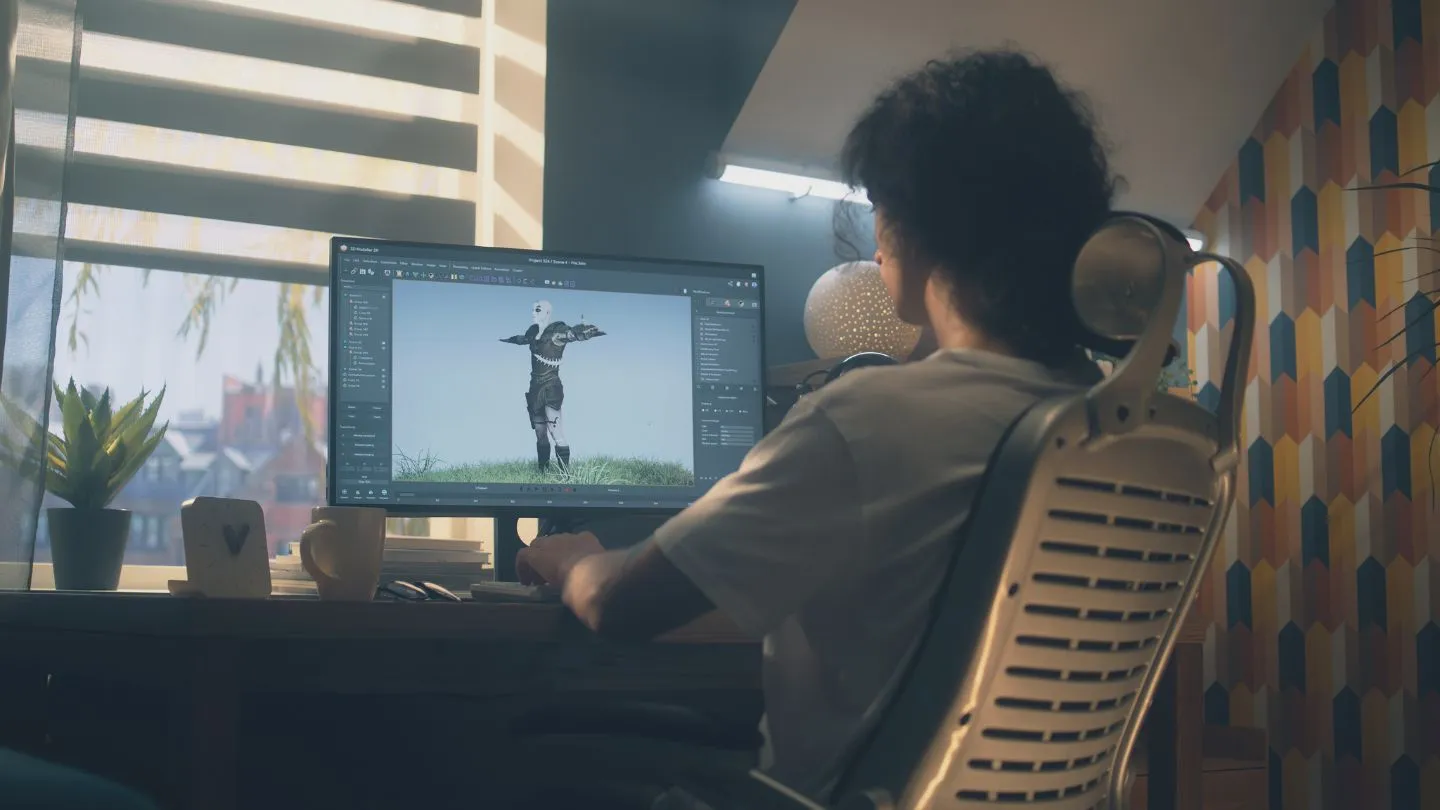
Animation has long been one of the most captivating forms of storytelling. From hand-drawn classics to sleek digital sequences, 2D animation remains a cornerstone of visual communication, blending creativity, motion, and design to bring characters and stories to life. But what exactly is 2D animation, and how does it work? Understanding the 2D animation production process gives aspiring animators and professionals a clear view of how these moving masterpieces come together.
This comprehensive blog post walks you through the entire process of 2D animation production, exploring every phase of the creative journey, from concept and design to final animation and post-production polish.
Understanding What 2D Animation Really Is
At its core, 2D animation is the art of creating movement in a two-dimensional space using characters, objects, and environments that move frame by frame. Each animation frame contributes to the illusion of motion, allowing drawings to come alive through fluid transitions.
Unlike 3D animation, which adds depth and perspective, 2D animation focuses on flat, two-dimensional visuals. Whether created through hand-drawn animation or computer animation tools like Adobe Animate, this art form relies heavily on timing, pacing, and artistic precision to create believable motion. Today’s animation production blends traditional craftsmanship with digital tools, allowing artists to combine sketching, coloring, and sound design seamlessly. From television and advertising to education and entertainment, 2D animation remains a versatile medium that continues to evolve. For beginners, choosing the right 2D animation classes can make all the difference in developing a strong creative foundation and mastering essential techniques.
The Power of 2D Animation in Modern Media
Modern businesses and creators rely on animation to engage audiences and tell stories that resonate. A well-executed 2D animated film, explainer video, or corporate video can transform complex ideas into compelling narratives using color, rhythm, and expressive visuals. The emotional depth and clarity of 2D animation allow brands to communicate their message effectively. Every scene, character, and motion cue contributes to a strong visual connection that helps viewers relate to the story.
Whether it’s a marketing piece, short film, or motion graphics sequence, 2D animation holds the unique power to connect imagination with impact, making it one of the most enduring art forms in visual communication.
Step-by-Step: The 2D Animation Production Process
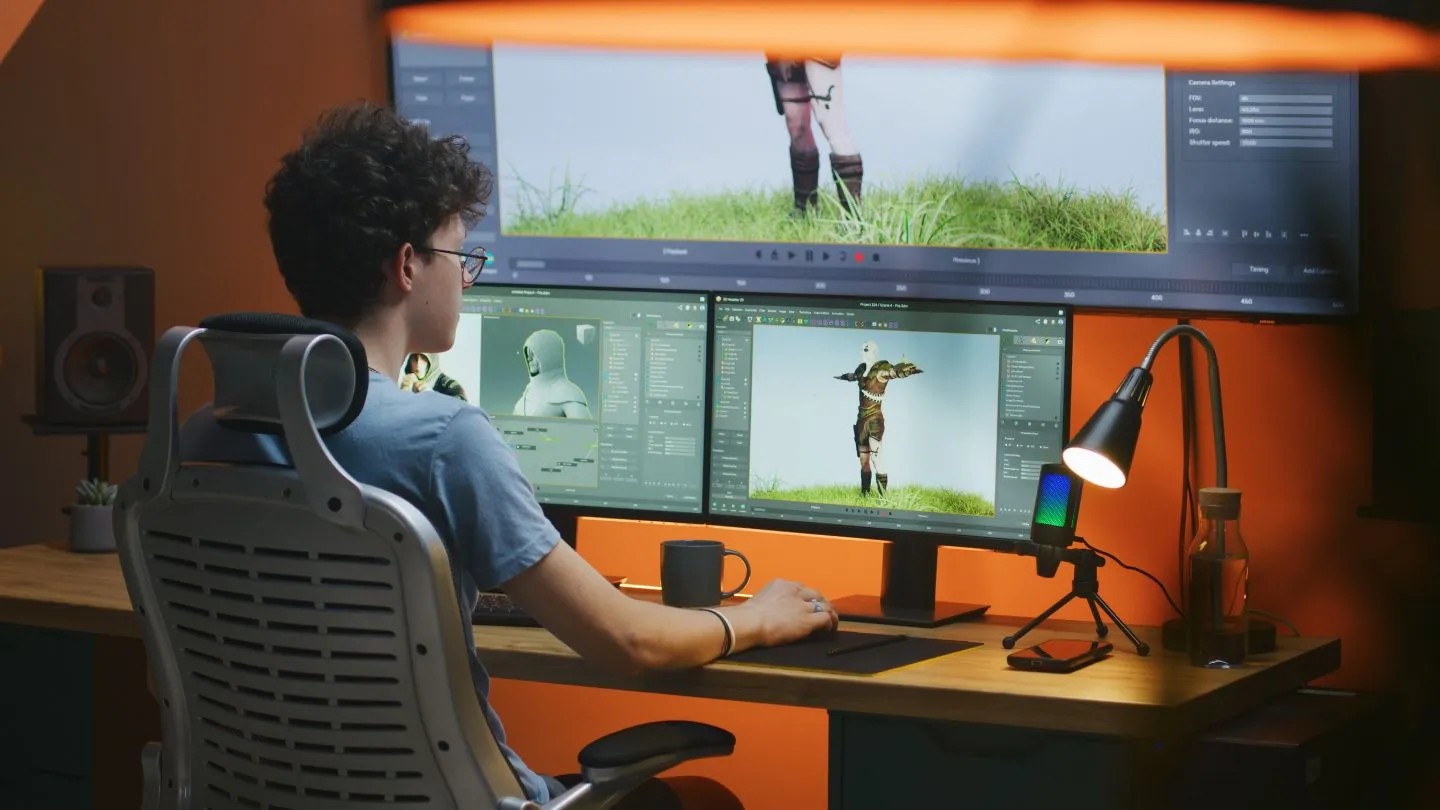
1. Concept Development and Scriptwriting
Every great animated video begins with a concept. The idea transforms into a structured narrative through scripting and story development. During this production phase, writers and directors outline the story arc, define the emotional tone, and decide how visual elements will support the storytelling.
This stage lays the creative foundation for the complete animation process, establishing characters, environments, and action.
2. Storyboarding and Animatics
Storyboarding is where visual storytelling begins. Artists sketch rough frames that represent key scenes, defining camera movements, pacing, and transitions. Each storyboard serves as a visual script for the entire animation production. To refine flow and timing, teams create animatics, simplified versions of the animated project using rough drawings synchronized with preliminary audio. This step ensures that the visual narrative aligns with the intended emotional rhythm.
3. Character and Background Design
Once the story structure is approved, designers craft detailed character sheets and background design concepts. Characters are given personality through expressions, poses, and proportions, while the environment establishes tone and context. From stylized backdrops to intricate props, every visual element adds depth and meaning to the scene. Maintaining consistency in color palette, design, and camera angles ensures harmony throughout the 2D animation production. This stage often allows artists to explore various types of animation styles, from minimalistic designs to highly detailed visuals, depending on the project’s tone and purpose.
4. Layout and Key Frame Creation
Layouts act as blueprints, determining where characters and objects appear in each shot. Next comes key frame animation, the process of illustrating the main poses or movements that define the action. Between these key poses, animators draw in-between frames to create smooth motion. Timing, spacing, and motion are carefully adjusted to achieve natural movement. It’s here that animation begins to take form, transforming static sketches into dynamic performances.
5. Cleanup and Digital Inking
The rough animation passes through a cleanup stage, where artists refine linework and remove unnecessary sketches. Using digital tools like Adobe Animate, Toon Boom, or similar software, cleaned frames are digitally inked and prepared for coloring. At this point, attention to design, symmetry, and continuity ensures the finished animation feels cohesive. The integration of technology enhances both speed and precision while retaining the charm of traditional artistry. For aspiring creators, learning how to create an animation in Blender can be an excellent way to blend 2D and 3D tools into a unified workflow.
6. Coloring and Visual Effects
With line art finalized, the next stage is coloring. Artists apply the color palette to characters, objects, and environments, considering lighting, shading, and mood. Subtle visual effects such as shadows, highlights, and texture elevate the visual style, making each scene more immersive. This stage plays a critical role in defining the emotional tone of the 2D animated film or video project.
7. Compositing and Sound Design
Compositing is where all layers of the animation, characters, backgrounds, and effects, are merged into a unified sequence. Editors ensure that motion graphics, transitions, and sound design blend seamlessly. Sound is integral to storytelling. Carefully selected audio cues, voiceovers, and music synchronize with pacing and enhance emotional impact. A well-balanced mix ensures that both sight and sound work harmoniously to deliver a captivating experience.
8. Rendering and Final Animation
The final step in the 2D animation production process is rendering. Once reviewed and approved, the animation is exported in its final form, optimized for its intended platform, whether for film, social media, or corporate presentation. This finished animation embodies the collective creativity and technical expertise of the production team. Every frame contributes to a seamless visual narrative that communicates emotion, story, and brand identity.
The Creative Synergy Behind Every Animated Project
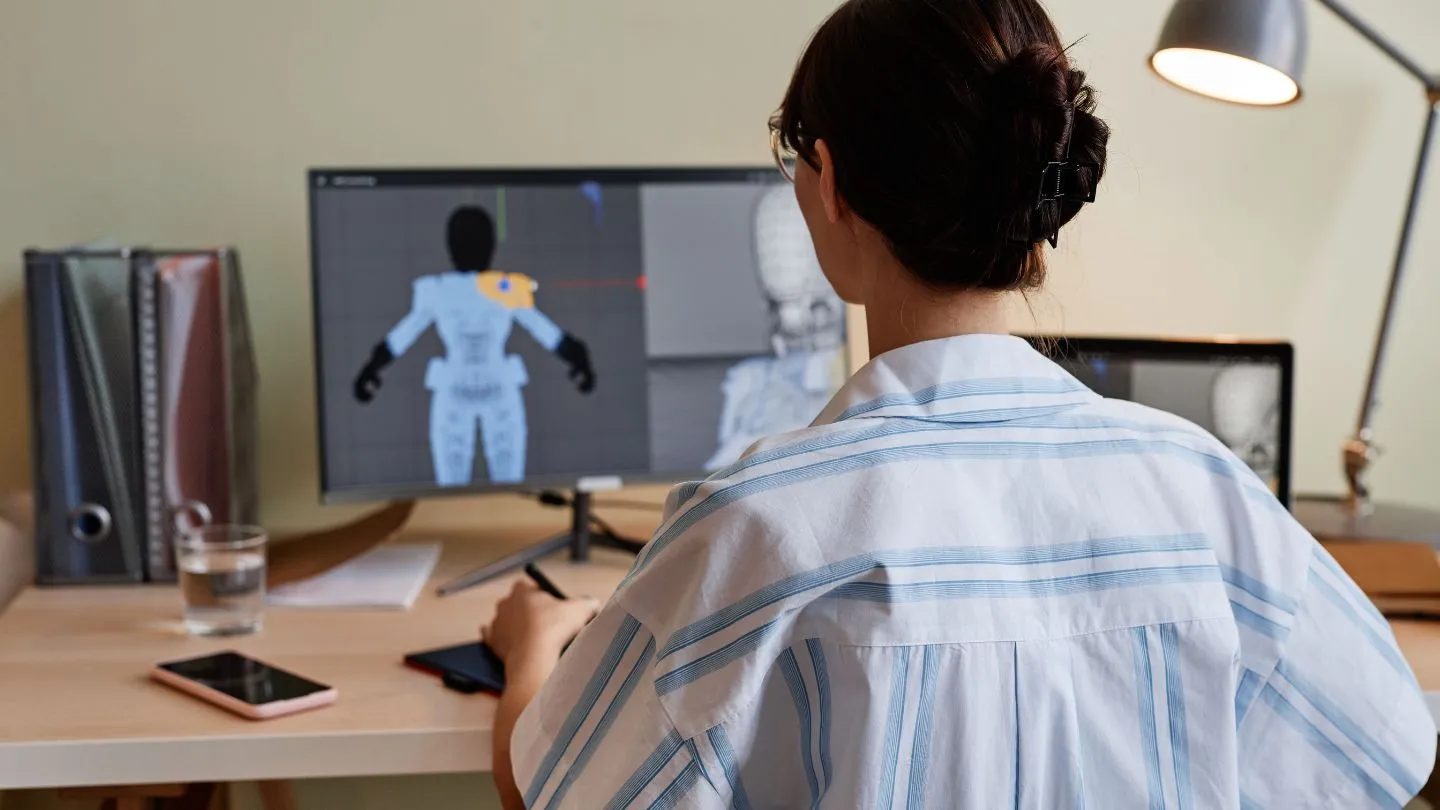
Behind every animated project lies a team of skilled professionals, artists, writers, animators, and sound designers, working in harmony. Each stage of the production process requires collaboration and precision, ensuring the story flows smoothly from idea to execution. In the world of 2D animation production, creativity and technology coexist. The artistry of drawing and the efficiency of computer animation tools complement one another, bridging traditional storytelling with modern innovation. This synergy produces more than moving images; it creates experiences that engage, inspire, and endure.
Read More: How to Get an Internship at Pixar Animation Studios
The Difference Between 2D and 3D Animation
While 3D animation relies on depth, realism, and complex rendering, 2D animation focuses on stylized expression, rhythm, and visual storytelling. 2D remains highly flexible for explainer videos, educational films, or artistic pieces because it conveys emotion and concept through simplicity.
Its ability to balance creativity and technique makes 2D an enduring medium for artists and brands alike. In professional animation production, both 2D and 3D play valuable roles, but 2D often offers a more handcrafted, expressive feel that resonates deeply with audiences. Understanding the nuances between 2D vs 3D animation helps in choosing the right style for a project’s visual goals, storytelling approach, and creative direction.
Why Professional 2D Animation Matters
The artistry of 2D animation requires technical expertise, storytelling insight, and an understanding of visual rhythm. Attempting to replicate professional-grade animation without experience often results in uneven pacing and inconsistent visuals. Working with a skilled team ensures your animated video reflects precision, creativity, and cohesion. Professional studios manage every production phase with meticulous attention to detail, from initial design sketches to the final animation, ensuring your message is both memorable and effective.
Conclusion
2D animation is more than a technique; it’s an art form that transforms imagination into motion. Whether used in film, education, or branding, the 2D animation production process merges storytelling, artistry, and innovation into one captivating experience. Each stage, from storyboarding to compositing, demands creativity, precision, and collaboration.
At Emily Art, we bring this vision to life through expert-led animation services that combine artistic mastery with technical precision. We also offer 2D animation classes in Fort Lauderdale, helping aspiring animators develop their creative voice and master the craft of professional animation. Turn your imagination into motion. Contact us today to begin your journey with Emily Art.
