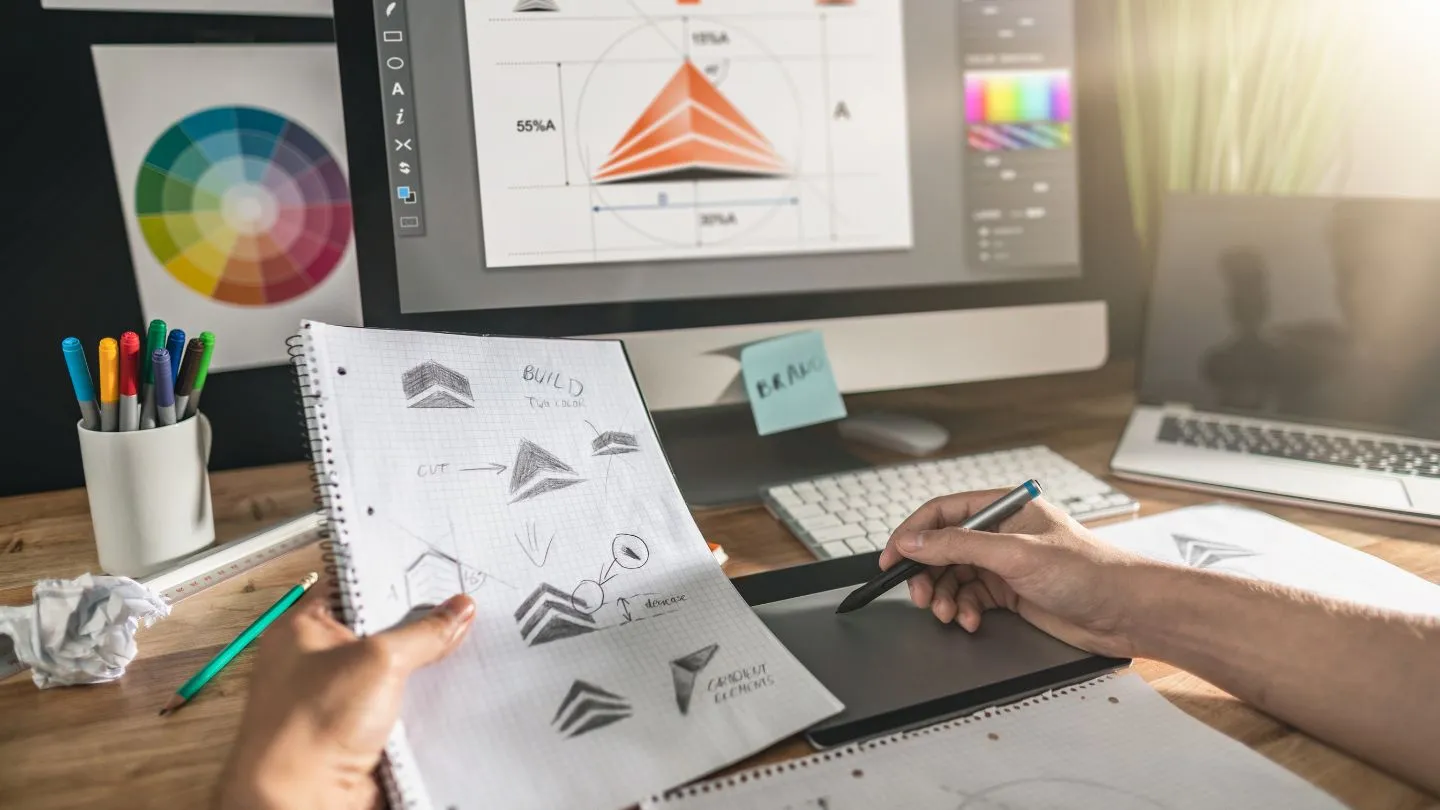
Graphic design is the visual language of modern communication. It’s where art meets purpose, transforming ideas into visuals that inform, inspire, and influence. Whether you’re dreaming of creating brand identities, designing digital interfaces, or bringing stories to life through visual design, understanding how to get started as a graphic designer is the first step toward building a creative and fulfilling career. This beginner’s blog explores everything you need to know, from mastering design principles and tools to building a portfolio that stands out in today’s design industry.
At its essence, graphic design is about visual communication, the ability to translate ideas and emotions into engaging visuals. A graphic designer uses elements like color, typography, and composition to create designs that serve both aesthetic and functional purposes. From corporate branding and motion graphics to UX design and illustration, the field encompasses a diverse range of creative disciplines. Understanding how digital graphic designers craft strong brand identities is key to seeing how visuals can shape perception and trust in a competitive market.
For beginners, the goal is to develop a foundation in design thinking, which involves understanding problems, generating creative solutions, and communicating them visually. This approach forms the cornerstone of every professional graphic design career, whether in advertising, publishing, or digital media.
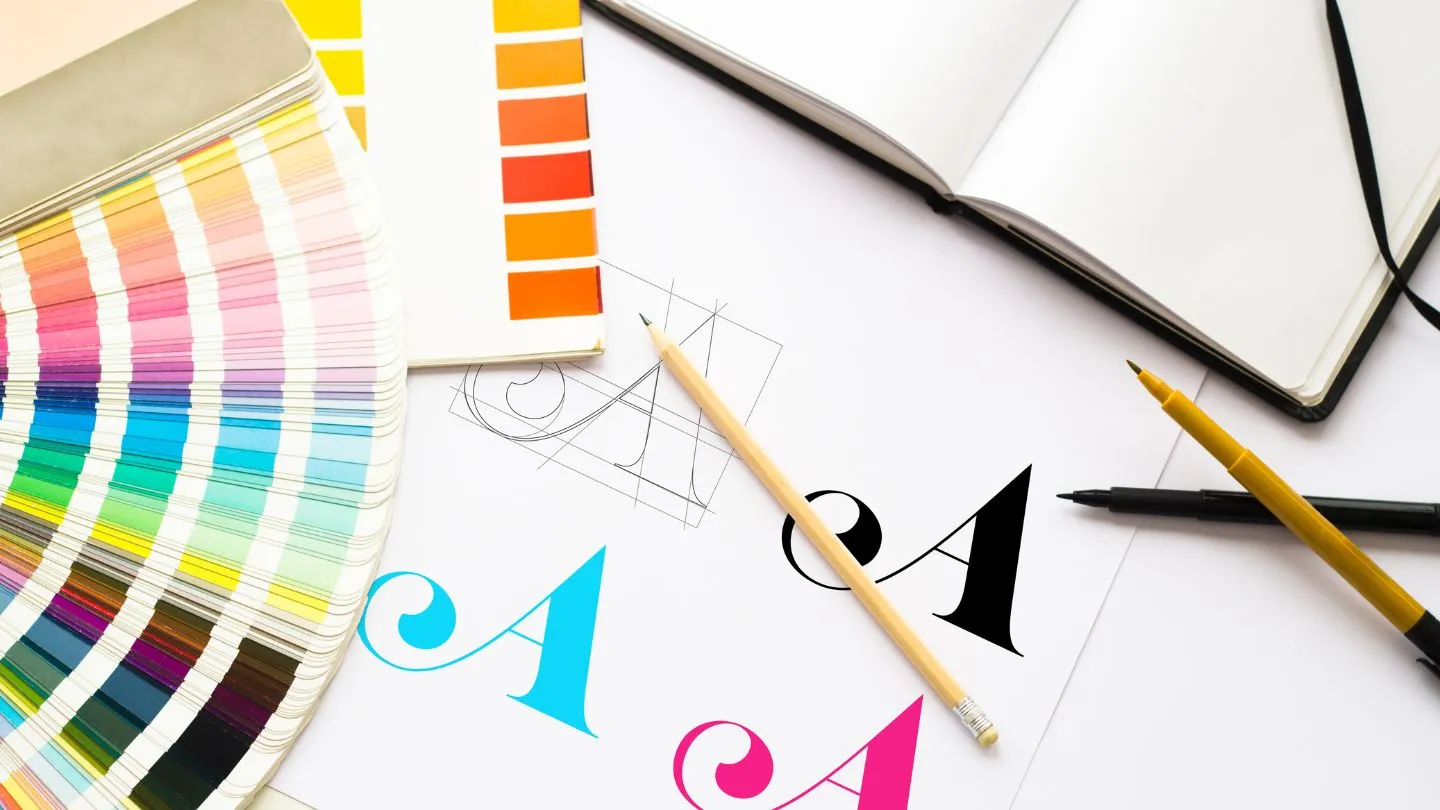
Before diving into complex software or advanced layouts, it’s essential to understand graphic design theory. This includes the key design principles: balance, contrast, alignment, hierarchy, and proximity, which guide how visuals are organized on a page or screen. Learning color theory and the psychology behind hues can help you create designs that evoke emotion and reinforce brand identity.
Typography is another fundamental skill. Understanding how fonts interact, how spacing affects readability, and how to pair typefaces strategically are essential for creating compelling compositions. The same applies to mastering layout, which helps organize visual elements cohesively. These are the building blocks of all visual communication. Once you grasp them, every project, from logos and posters to websites and packaging, will become an opportunity to express creativity with purpose.
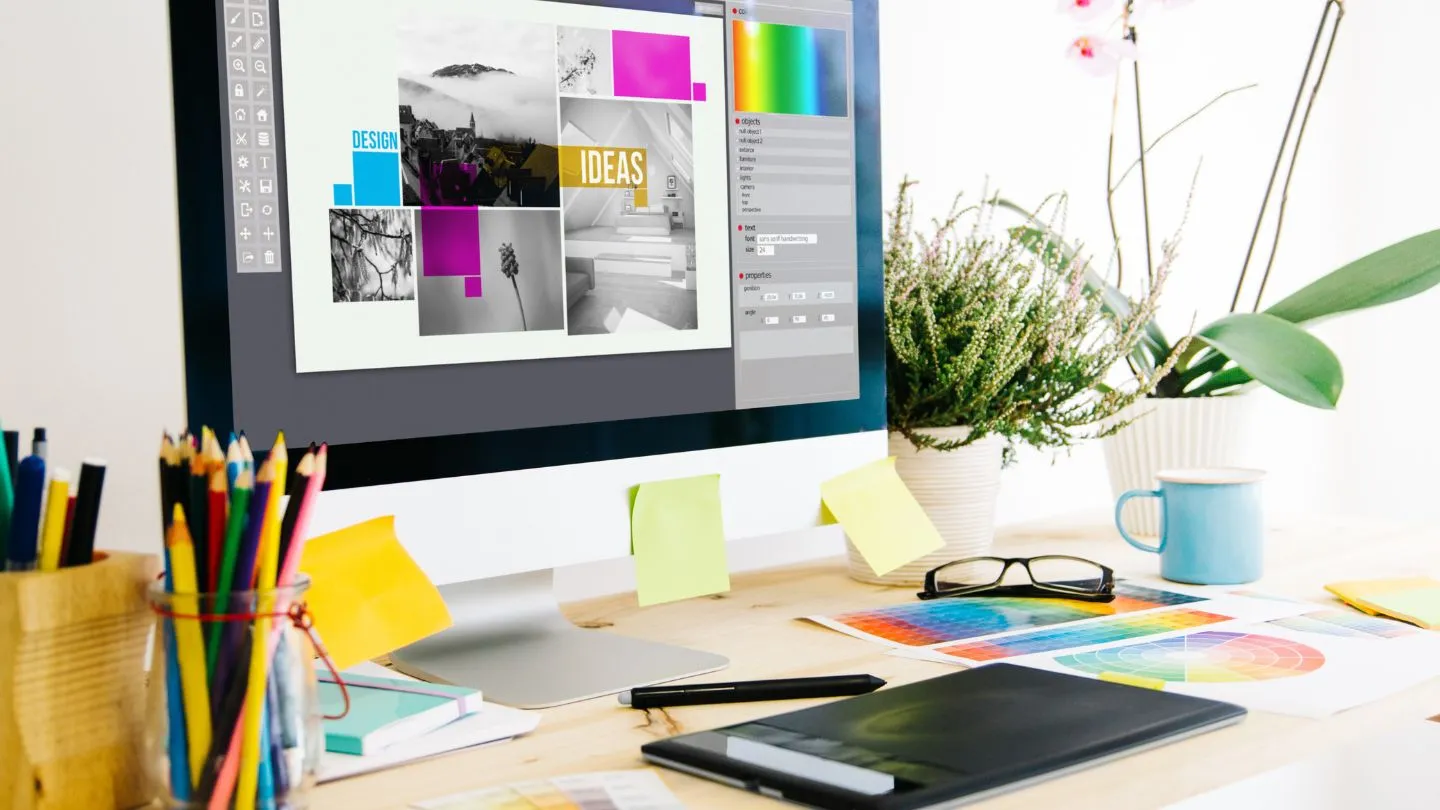
In today’s digital landscape, a graphic designer’s toolbox revolves around graphic design software. Learning to navigate programs like Adobe Illustrator, Photoshop, and InDesign is crucial. Illustrator is ideal for vector-based illustrations, logos, and icons; Photoshop excels in photo editing and compositing; and InDesign is the go-to tool for layout design in print and digital publishing.
For motion-based or UI-focused projects, programs like Figma and Adobe Creative Cloud provide flexibility for designing interactive prototypes and animations. The key is to experiment with different tools to understand which aligns best with your creative goals. As you grow, practice creating personal projects, a mock poster, a social media ad, or a simple logo concept. These exercises build both skill and confidence, gradually shaping your visual identity as a designer.
Read More: The Digital Artist’s Handbook: Essential Tools and Techniques
While creativity is the heart of design, strategy is its backbone. A skilled graphic designer doesn’t just make things look good; they make them work. Every choice, from font selection to layout composition, should align with the client’s goals and the audience’s expectations.
Professional designers often begin each project with research and brainstorming. Understanding a brand’s voice, its target market, and its desired outcome guides the creative process. This mindset separates amateurs from professionals. It ensures that every design not only captures attention but also communicates meaning effectively. Understanding the importance of graphic design for your business helps influence brand perception, build stronger visual communication, and create designs that truly resonate with your intended audience. Developing this balance between creativity and strategy will prepare you for a wide range of opportunities, whether you work independently, join a creative agency, or collaborate with businesses on branding and marketing projects.
The journey from learning to designing professionally requires consistent practice. Every project, no matter how small, helps refine your design skills and problem-solving ability. Start by redesigning existing materials: reimagine a brand logo, improve a product label, or create a personal brand identity. These exercises build your creative intuition and expand your portfolio.
Collaborating on personal projects or volunteering to design for community events, startups, or nonprofits can also provide valuable real-world experience. These opportunities expose you to client communication, deadlines, and revisions, crucial aspects of professional growth. Remember, practice is not about perfection but progression. Every design you create contributes to your development as a visual communicator and prepares you for larger challenges in the design industry.
Your portfolio is your visual resume; it showcases your abilities, creativity, and unique design voice. A well-curated portfolio highlights diversity in your work: branding, typography, illustration, and digital projects. Include only your best work, emphasizing the thought process and design rationale behind each piece.
When applying for positions or pitching clients, your portfolio becomes the deciding factor. Potential employers or collaborators want to see how you think, not just what you create. Presenting your process, from sketches and wireframes to final visuals, demonstrates professionalism and creative maturity. The more thoughtfully you present your projects, the more credibility you build as an emerging designer.
As the world shifts toward digital-first experiences, designers must understand how visuals function within interactive environments. Learning the basics of UX design and user experience helps bridge creativity with usability. It enables you to craft interfaces that are not only visually appealing but also intuitive and user-friendly. Whether working on a website, app, or motion-based project, integrating UX principles into your workflow ensures that your designs serve both aesthetic and practical goals. This is where modern graphic designers stand out by blending art with human-centered design.
Read More: Graphic Design Vs. Digital Design – What’s The Difference?
The design world evolves constantly; new tools, trends, and techniques emerge every year. Staying updated through courses, tutorials, and industry resources keeps your skills relevant and competitive. Platforms like Adobe Creative Cloud frequently release updates with innovative features that enhance creative workflows. Engaging with online design communities, attending workshops, or following professional designers on social media can also inspire creativity and expose you to diverse perspectives. The most successful designers never stop learning; they adapt, evolve, and stay curious about the next creative challenge.
Breaking into the design field involves both skill and connection. Internships, freelance projects, and collaborations help new designers gain professional experience and industry exposure. Working alongside experienced designers allows you to learn workflow management, client communication, and project organization. Networking with other creatives, whether in-person or online, often leads to job opportunities or partnerships. The design industry thrives on collaboration, so building relationships can open doors to new projects, mentorships, and creative communities that support your growth.
Read More: The Digital Artist’s Guide to Self-Promotion
As your career progresses, defining your niche helps you stand out. Some designers specialize in motion graphics, while others focus on branding, illustration, or web design. Discovering your passion within the field enables you to focus your portfolio and attract clients aligned with your strengths. Building a personal brand as a designer is equally important. Consistency in your visual style, communication, and portfolio presentation establishes your identity within the creative world. Clients and employers remember designers who bring both originality and reliability to their work.
Learning graphic design from scratch can be overwhelming without structured guidance. A professional mentor or design studio can provide not just technical instruction, but feedback, critique, and creative direction that accelerate your growth.
Professional training ensures you grasp the fundamentals, from color theory and layout to software mastery, while also developing a critical eye for design. By working with experienced designers, you gain insight into the workflow and creative thinking that define successful professionals. The journey of becoming a graphic designer is not just about acquiring skills; it’s about building confidence, vision, and discipline. With expert guidance, you can transform your creative passion into a rewarding career.
Embarking on a career in graphic design is a creative evolution, one that demands curiosity, practice, and a deep understanding of visual storytelling. By mastering core principles, exploring essential tools, and refining your unique style, you can transform artistic passion into professional purpose. Every design you create becomes a reflection of growth, imagination, and your ability to communicate visually in an ever-changing digital world.
At Emily Art, we embody this creative journey by empowering new designers to turn ideas into impactful visuals through expert mentorship and professional training. As a digital graphic designer in Fort Lauderdale, we help aspiring creatives strengthen their design foundations, develop real-world projects, and discover their artistic voice. Our work continues to inspire others to create meaningful designs that connect, communicate, and captivate audiences. Unleash your creative potential. Contact us today to begin your design journey with Emily Art.
