 Skip to content
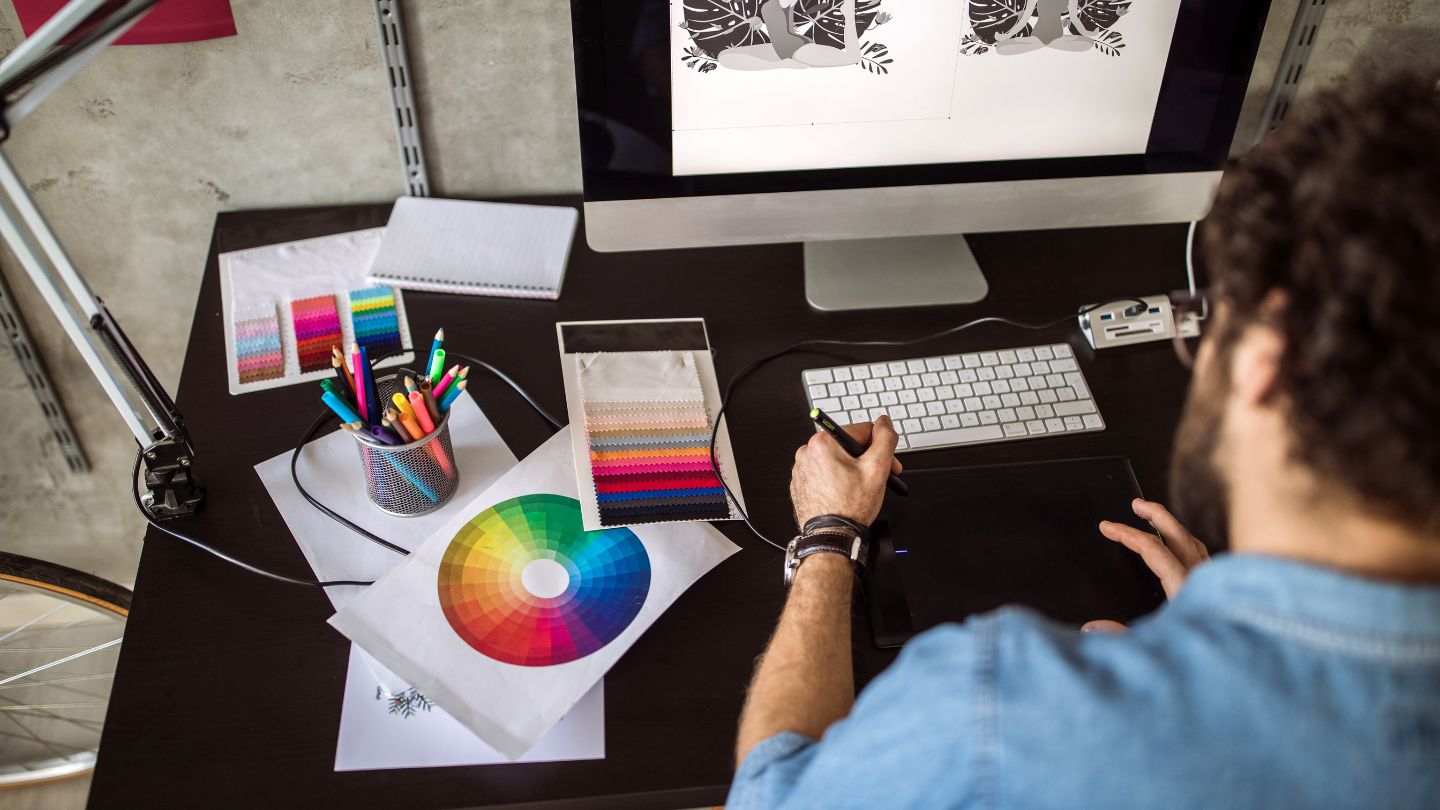
Color is more than just an aesthetic choice in digital art, it’s a powerful communicator that influences how viewers perceive and emotionally respond to your work. Whether you’re building a mood, telling a story, or guiding the viewer’s eye, your color palette does much of the heavy lifting. That’s why understanding color psychology every digital artist should know is essential for creating impactful and memorable visuals.
In this article, we’ll explore key psychological principles behind color, how different hues evoke specific emotional reactions, and how color theory for digital artists can enhance visual storytelling and design.
Why Color Psychology Matters in Digital Art
Color psychology is the study of how colors influence human behavior and perception. As a digital artist, you’re not just choosing colors based on personal preference; you’re crafting a visual experience that communicates a message, mood, or brand identity.
For instance, warm tones like red and orange often signal energy, urgency, or excitement. Cool hues like blue and green convey calmness, trust, or serenity. These subconscious associations are crucial in digital artwork, especially in character design, concept art, game development, or branding.
Understanding what every digital artist needs to know about color isn’t just about making something look good, it’s about guiding emotional engagement and visual impact.
Emotional Associations of Key Colors
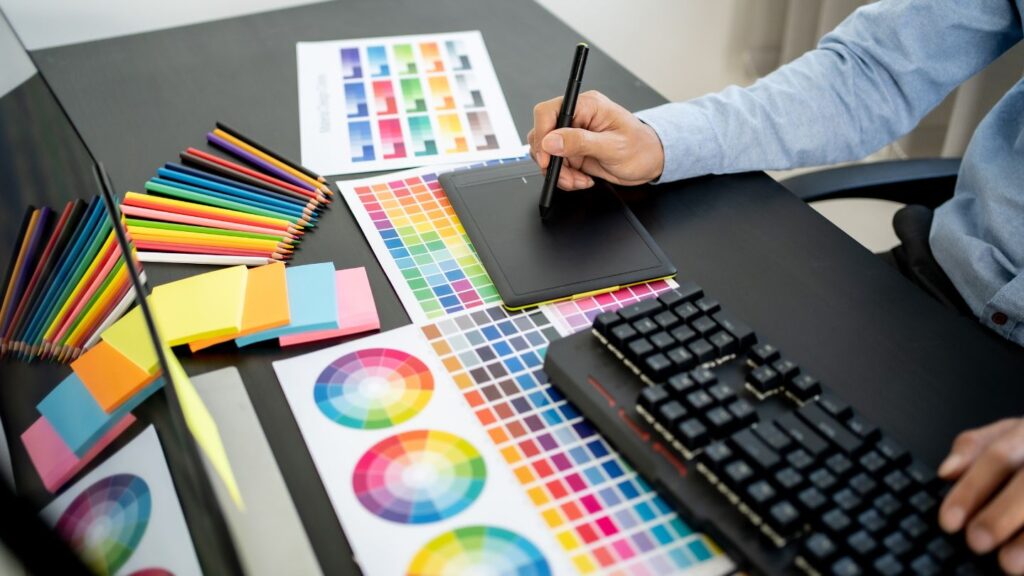
Here’s a breakdown of how different colors are perceived emotionally and how they can be used effectively in digital compositions:
Red
- Emotion: Passion, urgency, love, danger
- Use in art: Great for evoking energy or tension; useful in action scenes or emotional highlights
Blue
- Emotion: Calm, intelligence, trust
- Use in art: Ideal for backgrounds, futuristic themes, or serene environments
Yellow
- Emotion: Happiness, energy, optimism
- Use in art: Eye-catching for light sources, highlighting key elements, or cheerful themes
Green
- Emotion: Nature, growth, peace
- Use in art: Suitable for landscapes, balance, or organic design
Purple
- Emotion: Creativity, mystery, luxury
- Use in art: Commonly used for fantasy, surreal, or regal elements
Black
- Emotion: Power, elegance, mystery
- Use in art: Ideal for contrast, depth, or dramatic lighting
White
- Emotion: Purity, simplicity, clarity
- Use in art: Often used for clean designs or to convey minimalism
Mastering these associations is a foundational step in applying color psychology every digital artist should know.
Practical Color Theory Tips for Digital Artists
Having a basic understanding of the color theory that a digital artist should know helps you create harmony and visual appeal in your compositions. Here are some key principles:
1. The Color Wheel
Use the color wheel to understand relationships between primary, secondary, and tertiary colors. It helps in creating balanced and complementary palettes.
2. Complementary Colors
These are colors directly opposite each other on the color wheel (e.g., red and green). They provide a strong contrast and visual interest when used together.
3. Analogous Colors
These colors are adjacent on the wheel (e.g., blue, blue-green, and green) and are ideal for creating serene and cohesive designs.
4. Triadic and Tetradic Schemes
Using three or four evenly spaced colors around the wheel allows for dynamic yet balanced compositions.
Understanding color theory for digital artists means learning how to manipulate these schemes to suit your artistic goals and intended viewer response.
Cultural and Contextual Influences on Color Perception
Colors don’t have universal meanings; cultural background and context also shape how a color is interpreted. For example:
- In Western cultures, white typically symbolizes purity or peace, but in some Eastern cultures, it can be associated with mourning.
- Red may evoke passion or excitement in one context and danger or aggression in another.
As a digital artist working on global projects, it’s essential to be aware of these cultural nuances when using color for branding, marketing, or storytelling.
How Color Impacts User Experience and Composition
In addition to emotional tone, color plays a major role in composition and visual hierarchy. High-contrast combinations can draw attention to focal points, while muted tones allow background elements to recede. Vibrancy and saturation can also guide the viewer’s eye across your canvas.
In concept art and game design, color cues often convey gameplay information, such as danger zones marked in red or healing areas in green. In branding, consistent use of color enhances recognition and recall.
This is why what every digital artist needs to know about color extends beyond the artistic, it has implications for functionality and communication as well.
Applying Color Psychology in Concept Art and Design

If you’re focused on concept art or storytelling, learning to apply color psychology adds depth to your characters and environments. Mood boards, lighting schemes, and costume design all benefit from thoughtful color choices. A hero clad in cool tones suggests calm and intelligence, while an antagonist in harsh reds or blacks radiates threat.
The benefits of digital painting for concept artists include flexibility to make quick adjustments, efficient workflows with layered editing, and access to advanced tools for creating dynamic textures and lighting. This technique enhances creativity and allows for the production of highly detailed and visually appealing artwork.
Mistakes to Avoid When Using Color in Digital Art
- Over-saturation: Too much vibrancy can overwhelm viewers and create visual fatigue.
- Lack of contrast: Without enough tonal difference, your artwork can appear flat or confusing.
- Ignoring accessibility: Be mindful of colorblindness and design in ways that are inclusive (e.g., using patterns and shapes to supplement color cues).
- Trendy overuse: While it’s tempting to follow color trends, timeless design comes from understanding fundamental theory.
A thoughtful approach grounded in color theory that a digital artist should know will always outperform designs based solely on trend.
Ready to Take Your Color Skills to the Next Level?
Color is one of the most intuitive and powerful tools in a digital artist’s toolkit. It guides emotion, tells stories, and creates structure within a composition. Whether you’re just starting your artistic journey or looking to elevate your work, taking time to understand color psychology every digital artist should know will deepen your creative expression and help you connect more meaningfully with your audience.
At Emily Art, our digital artist training programs help you master color, composition, and storytelling through hands-on instruction and real-world application. Contact us to learn more about our upcoming classes and how we can help sharpen your artistic edge. Visit us to get started.
