

When it comes to the world of design, two terms often come up in conversation – graphic design and digital design. While these fields share some common ground, each brings unique elements to the table. Whether you’re a business owner considering how to enhance your brand or a budding designer deciding which career path to explore, understanding the difference between graphic design and digital design can be incredibly helpful.
This blog will break down what sets graphic design and digital design apart, highlight their overlaps, and explore how each can meet specific needs in today’s creative and digital landscape.
Graphic design is the foundation of visual communication. It revolves around creating visually appealing content, particularly for print media. Posters, brochures, business cards, and packaging are just a few examples of where graphic design shines. The goal here is simple—to convey a message effectively using various visual elements like typography, color, and layout.
Graphic designers focus on creating static visuals. For example, designing a striking book cover or an engaging flyer that catches a customer’s eye are classic tasks. The tools of the trade often include programs like Adobe Photoshop, Illustrator, and Adobe Indesign. Graphic designers are known for their ability to craft visually cohesive compositions that work for print and some digital applications.
For instance, when a business launches a new product, its reliance on a graphic designer is very important for the business to create the logo, packaging, and promotional materials. If you’re curious about how graphic design might elevate your brand’s presence.
Digital design takes creativity into the realms of dynamic, screen-based mediums. While graphic design often stays rooted in static visuals, digital design embraces interactivity, motion, and responsiveness. Think about websites, app interfaces, social media animations, and video content. These elements make digital design a core component of the digital marketing landscape.
Digital designers don’t just craft beautiful visuals. They also manage user experiences, ensuring every digital platform they create is functional, intuitive, and appealing. Their responsibilities may include designing a website’s layout, creating interactive banners, or working on user interfaces (UI) and user experiences (UX).
Imagine you’re exploring an app. The seamless navigation you experience and the animations that guide you are the results of a digital designer’s work. They ensure the visuals align with the brand while guaranteeing functionality.
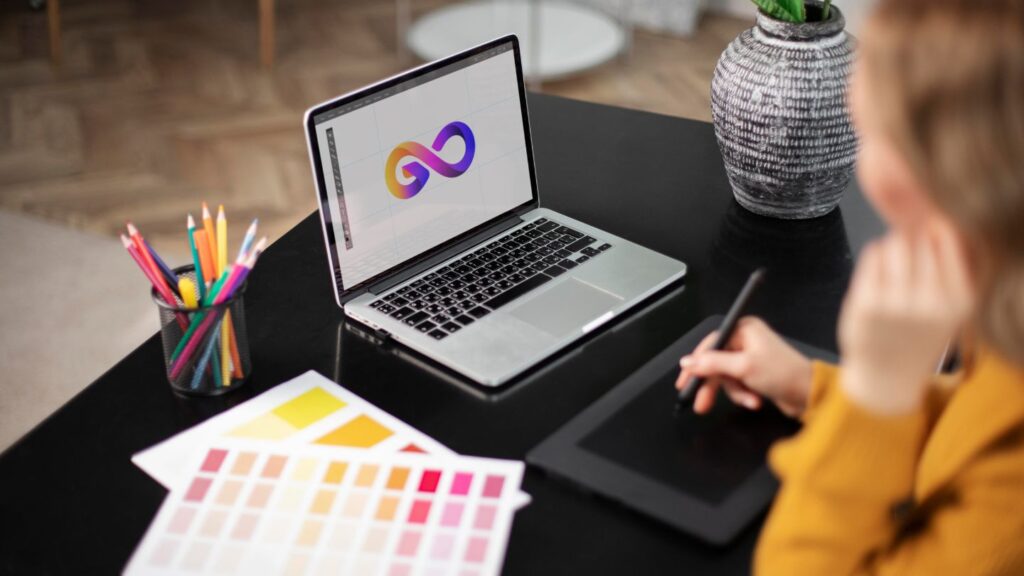
While graphic design and digital design both influence how we perceive brands, their differences lie in their medium, tools, and focus.
Graphic design is largely print-based and relies heavily on creating static, polished visuals. Digital design, on the other hand, targets digital platforms and often incorporates motion or responsive elements. The interactivity built into digital design demands a distinctly technical approach, setting it apart from its static counterpart.
For example, a brand logo might originate as a graphic design project but come to life when a digital designer animates it for an online ad or social media reel. Similarly, while a graphic designer might produce a billboard ad, a digital designer ensures it translates seamlessly onto a website banner.
Graphic designers excel at creating layouts, mastering typography, and balancing visual elements to communicate compelling messages. These skills are essential when dealing with traditional graphic design or visual content like magazines or event posters. Their mastery of classic tools like Adobe Photoshop allows them to craft standout visuals.
Digital designers, on the other hand, need to have a strong grasp of responsive design principles. They focus on building layouts that adapt to different screen sizes and user interactions. Proficiency in software like Figma or Adobe XD is crucial for digital designers to craft intuitive designs meant for scrolling, clicking, and dynamic engagement.
Graphic designers and digital designers often work together on cohesive campaigns. For instance, a graphic designer might create product labels, while the digital designer takes those visuals and integrates them into an interactive e-commerce website. These collaborations showcase how both skill sets contribute to creating comprehensive brand experiences.

Digital arts and graphic design frequently overlap but are distinct in their scope. Digital arts extend beyond design into areas like illustration, 3D modeling, and photography. Unlike the functional focus graphic design often has, digital arts lean more toward artistic and personal expression.
Take, for example, a digital artist who creates a futuristic 3D concept for a gallery exhibit. Contrast this with a graphic designer designing promotional brochures for that same exhibit. The purpose and approach between the two fields are different, even though they both draw from the same toolkit of creativity.
Businesses sometimes struggle to choose between a digital designer and a graphic designer for their projects. Understanding the scope of each role can make the process easier.
The creative industry is seeing a growing demand for hybrid designers. These professionals combine expertise in both graphic and digital design, making them highly versatile. With the ability to handle everything from traditional graphic design projects to dynamic digital media outputs, they add immense value to any organization.
Graphic design and digital design each bring vital contributions to visual communication. Whether working in the physical world of print or the digital landscape of screens, designers use their creative prowess to connect brands with audiences. Understanding the distinction between these two fields ensures that businesses make the right decisions when collaborating with creative professionals.
If you’re ready to elevate your brand with the perfect design strategy, look no further. Whether you require a talented digital graphic designer to craft compelling digital content or a skilled graphic designer for print materials, our team at Emily Art is here to help.
Contact us today to discuss how we can bring your creative vision to life!
