 Skip to content

Animation is a powerful medium that turns the impossible into reality. Whether it’s bringing mythical creatures to life or telling compelling stories through character animation, this creative craft has the power to evoke strong emotions and keep audiences enthralled. But what really goes into creating such mesmerizing visuals? The answer lies in the animation process, a structured sequence of stages that allows animators to transform ideas into stunning creations.
Both for aspiring animators and enthusiasts, understanding the key steps in the animation process is essential to appreciating the immense work involved in creating animated films, videos, and even motion graphics. From initial concept ideation to final animation rendering, every step requires a blend of technical proficiency and artistic vision.
Concept Development
Every animation begins with a spark of imagination. During this animation phase, creators shape the central idea and story. Whether it’s drafting the next Disney hit or a concise explainer video, this phase sets the tone for the production.
The idea starts as a rough sketch and evolves through countless brainstorming sessions. Storyboards, an essential tool in this stage, provide a visual roadmap for the scenes. These not only outline the animation style but also guide camera movements, ensuring the story flows seamlessly.
While some productions lean on traditional animation techniques, others focus on cutting-edge 3D animation processes. Regardless of the method, this foundational stage is crucial for building cohesive narratives.
Scriptwriting and Storyboarding
With ideas in place, the next animation step involves creating a detailed script. The script sets the characters’ dialogues, actions, and emotional arcs. For visual clarity, animators rely on storyboards. These are simplified drawings that map out each key scene.
For instance, in 2D animation production, storyboards focus heavily on flat, illustrated visuals that guide artists during the 2D animation process. On the other hand, 3D animation productions emphasize spatial aspects, paving the way for later 3D modeling efforts.
Modern tools have revolutionized this stage, enabling smoother workflows. Whether it’s framing elements for a quirky character’s movement or outlining a suspenseful scene, storyboarding ensures alignment across the animation team.
Design and Character Development
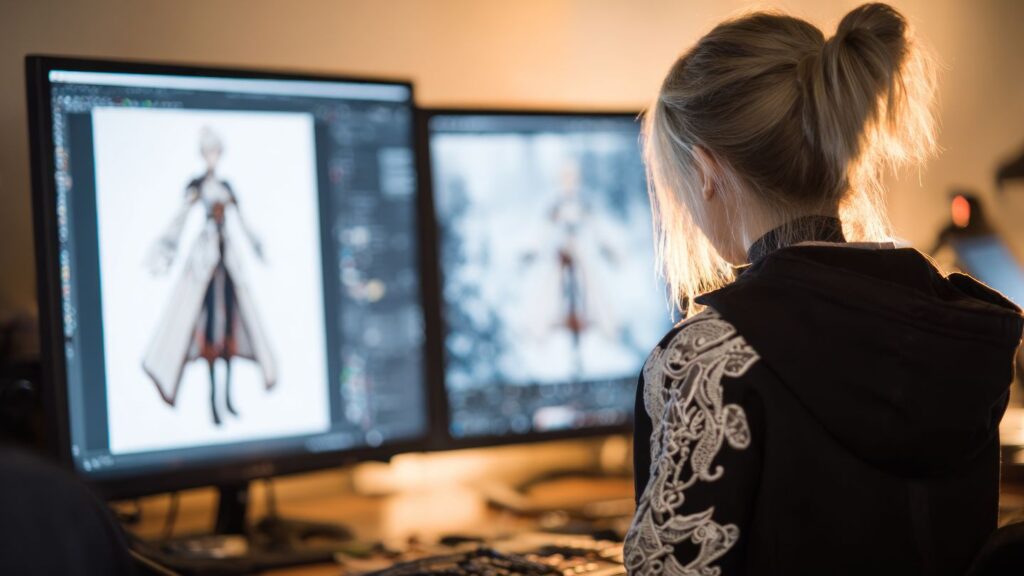
The next animation production process centers on fleshing out the visual world. Artists begin designing characters, settings, and props that define the animation’s visual style. This includes everything from character proportions to textural elements.
For example, developing characters for animated films requires countless iterations of sketches and mockups. Animators refined details like facial expressions, ensuring characters resonated emotionally.
This phase also lays the groundwork for 2D animation videos or motion graphics, where elements are often flatter yet rich in texture. Similarly, 3D animation productions include the creation of characters with depth and realism by building comprehensive 3D models.
3D Modeling, Rigging, and Texturing
For 3D animation, this stage is pivotal. Artists create detailed 3D models that serve as the digital framework for characters and props. From a dragon’s scales to a bustling city’s architecture, 3D modeling sets the stage for lifelike visuals.
Following this, rigging experts add virtual skeletons, enabling realistic movement. Whether designing an epic battle in an animated video or crafting lifelike gestures for a 3D animator, this step ensures natural fluidity.
Texturing adds depth by applying colors and patterns. Whether it’s the reflective sheen of armor or the rough grain of wood, every visual element contributes to storytelling.
Animation and Motion Techniques
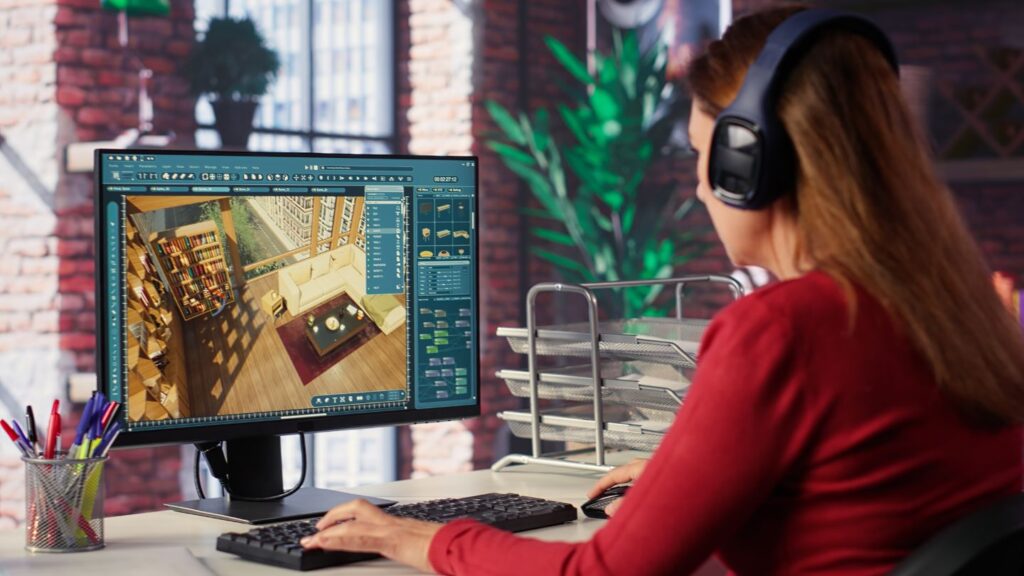
Now comes the heart of the animation process. This is when characters and settings come alive. 2D animation and 3D animation processes diverge here, each offering distinct methods.
For 2D animation production, animators use frame-by-frame techniques to create fluid motion. Character animations gain depth through intricate transitions, like a character’s smile evolving into hearty laughter.
Meanwhile, motion animation techniques are vital for motion graphics or dynamic explainer videos. These often incorporate text, shapes, and minimalist elements to convey messages effectively.
For animated films, this stage includes a mix of performance capture, keyframe animation, and sometimes even simulated physics to produce lifelike dynamics. The magic lies in ensuring movements are not just natural but emotionally engaging.
Sound Design and Integration
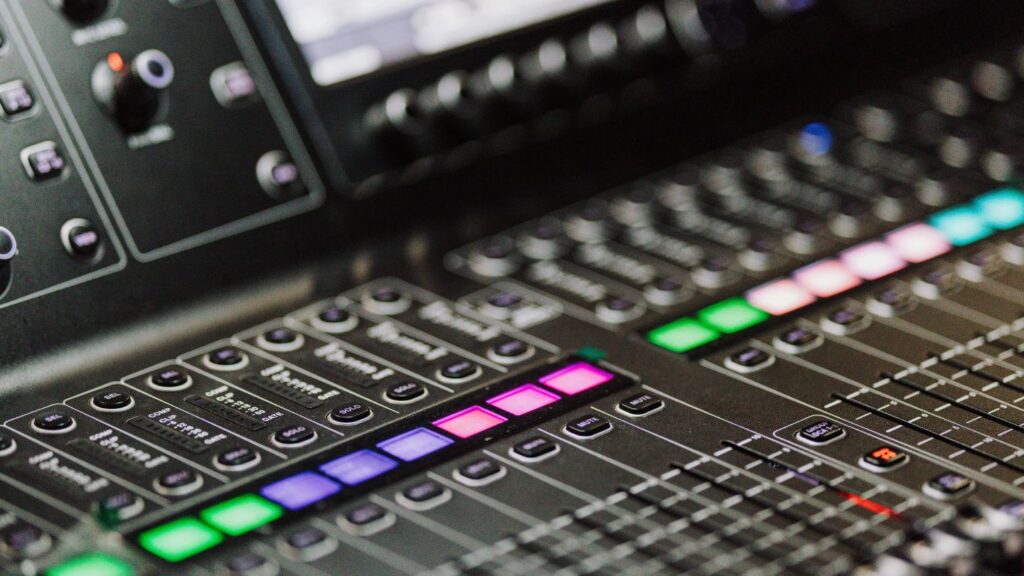
Sound breathes life into animations. From dialogue and background music to subtle visual effects like rustling leaves or distant echoes, this stage ensures immersion.
Consider Up, where the heartfelt montage gained resonance due to its poignant score. Good sound design enhances the final animation, turning visuals into a visceral experience. Similarly, for explainer videos, a crisp narration paired with upbeat music makes information more digestible and engaging.
Lighting and Rendering
Lighting defines the mood, while rendering polishes the final animation. Think of lighting as painting with light and shadow. A dim streetlamp may evoke suspense, while a sunny meadow suggests joy.
Rendering converts raw animations into high-resolution visuals. Whether the output is a whiteboard animation, an involved 2D animation, or a feature animated film, this step ensures professional quality.
Post-Production and Distribution
The last animation step involves post-production tweaks like adding special effects, color grading, and final cuts. Whether it’s for a video production destined for YouTube, a heartstring-pulling animated video, or educational explainer videos, every frame gets its finishing touch.
Post-production also optimizes formats tailored for platforms, ensuring seamless playback across devices or theaters.
Effective management is the backbone of any successful 3D animation studio. From fostering a positive work culture to streamlining workflows and utilizing project management tools, these strategies ensure projects are delivered on time, within budget, and to the highest standards. By mastering these techniques, studios can not only enhance creativity but also achieve long-term success in a competitive industry.
The Endless Possibilities of Animation
From creative minds drafting storyboards to the final rendering of a blockbuster movie, the animation process is a meticulous yet exciting adventure. Every completed animation project, no matter the scale, brings with it countless possibilities to innovate and inspire.
Interested in jumping into this world? Whether you dream of working in an ambitious animation studio or simply want to experiment with motion graphics, the right training is essential. Contact us at Emily Art to explore detailed animation courses, and start your own unforgettable animation journey!
