
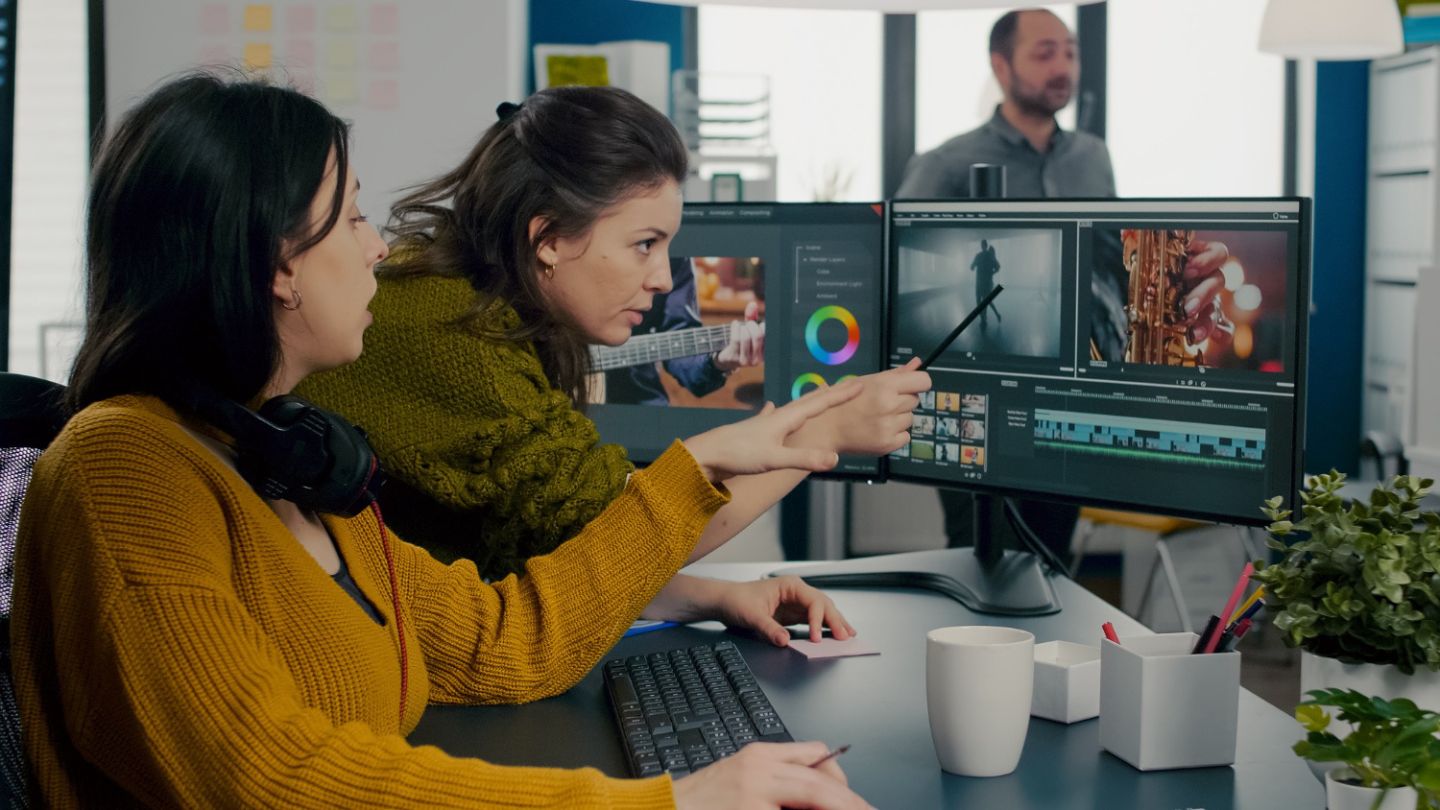
Animation has evolved into one of the most potent storytelling mediums in the world of visual art and digital creativity. From the vibrant characters of 2D animation to the lifelike realism of 3D animation, this field merges imagination with technology to create experiences that captivate audiences. But beyond entertainment, animation has become a cornerstone in industries such as graphic design, video games, education, marketing, and architecture, making it a highly desirable career path for today’s digital artists.
If you’ve ever dreamt of bringing your ideas to life through movement, color, and expression, enrolling in an animation course is your gateway to that creative journey. Let’s explore the key reasons why you should opt for animation courses and how they can set the stage for lifelong artistic growth and success.
The animation industry is one of the fastest-growing creative fields globally. With streaming platforms, gaming studios, and advertising agencies all relying heavily on animation, the demand for skilled animators continues to rise. Animation has expanded far beyond cartoons; it now powers medical simulations, architectural visualization, and digital art installations.
By enrolling in a professional animation course, you gain more than just artistic skills; you gain access to one of the most versatile creative disciplines in the modern world. These programs teach animation principles like timing, spacing, and squash and stretch, while also introducing students to cutting-edge animation techniques used by professionals in studios and production houses.
For artists who are passionate about digital design or visual storytelling, understanding motion, composition, and realism through animation is not just beneficial; it’s essential for a sustainable creative career.
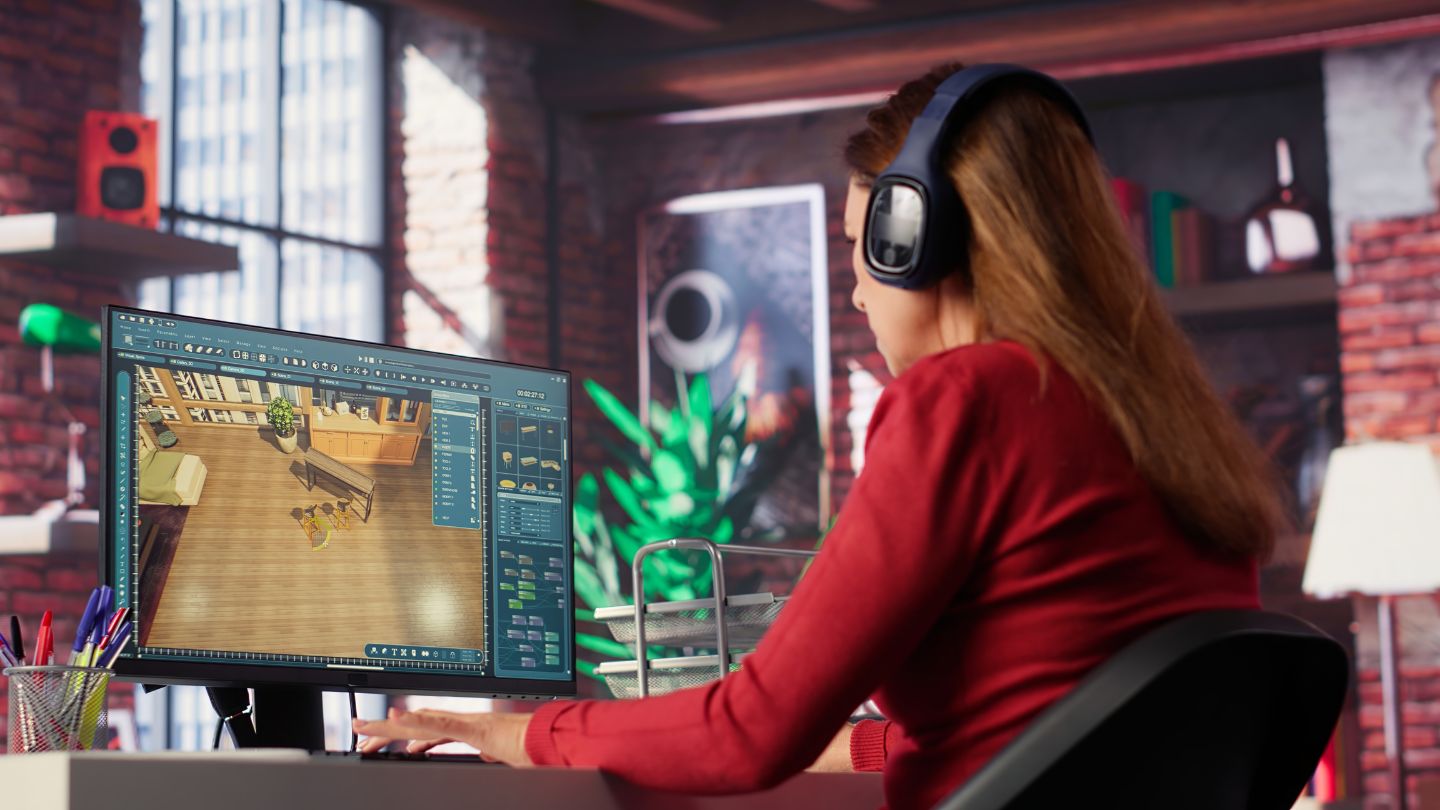
One of the primary reasons you should opt for animation courses is the perfect balance they offer between creativity and technical expertise. Animation blends artistic expression with software-driven precision. Students learn how to use professional tools like Adobe Animate, Maya, and other industry-standard software to create smooth, lifelike motion.
Through structured programs, aspiring animators explore character animation, 3D modeling, and VFX techniques, all while understanding design fundamentals like lighting, color, and movement. This combination ensures that you don’t just become an animator, you become a digital artist capable of expressing stories through visual rhythm and emotion.
Furthermore, hands-on assignments help you develop a portfolio of real-world projects, giving you the confidence to transition into an animation career that blends creativity with employability. As you refine your creative and technical mastery, understanding the structured journey of animation production can be invaluable. Exploring the key steps in the animation process helps new artists visualize how each phase contributes to creating a cohesive, professional piece.
Animation is no longer confined to traditional media like films and cartoons. Today, it’s a central element of global industries. After completing an animation program, you can pursue a range of career opportunities, including:
The best part? The demand for animators continues to grow. The rise of digital content, e-learning platforms, and social media marketing means there’s an increasing need for animation professionals across industries. Whether you’re interested in 2D animation, 3D animation, or motion graphics, your skill set will remain in high demand.
A well-rounded animation education helps students grasp both the artistic and scientific sides of animation. The animation principles, such as anticipation, timing, and exaggeration, teach how to make movement appear natural and engaging. Meanwhile, the study of physics, anatomy, and cinematography grounds your art in realism and believability.
You’ll also explore animation techniques like frame-by-frame drawing, rigging, compositing, and rendering. These technical proficiencies ensure you’re prepared for every aspect of animation production, from concept to final edit. The depth of knowledge gained from professional animation courses sets you apart as a versatile and technically skilled creator.
If you’re wondering about the importance of animation courses for career growth, consider this: employers in today’s creative economy look for professionals with specialized knowledge and software proficiency. Completing an animation course not only strengthens your technical skill set but also adds credibility to your portfolio.
Animation schools and professional studios emphasize mentorship, critique, and collaboration, key elements for any creative career. You’ll learn how to work as part of a team of animators, designers, and visual artists, preparing you for the real-world workflow of an animation studio or design firm.
By learning from experienced mentors, you gain industry insight, networking opportunities, and a deeper appreciation for the craft, all of which accelerate your professional growth.
While animation relies heavily on technology, its foundation lies in fine art and visual storytelling. The ability to sketch, paint, and conceptualize characters and scenes remains crucial. Animation courses teach how to bridge traditional techniques with modern software tools, allowing you to bring timeless art principles into the digital age.
By blending drawing, painting, and digital composition, students understand the value of both worlds, where physical creativity meets digital innovation. This fusion not only enhances your skill set but also allows you to develop a unique artistic voice that stands out in a competitive field. For those who love the expressive nature of drawing and want to see it come alive on screen, understanding the 2D animation production process offers the perfect fusion of traditional artistry and digital execution.
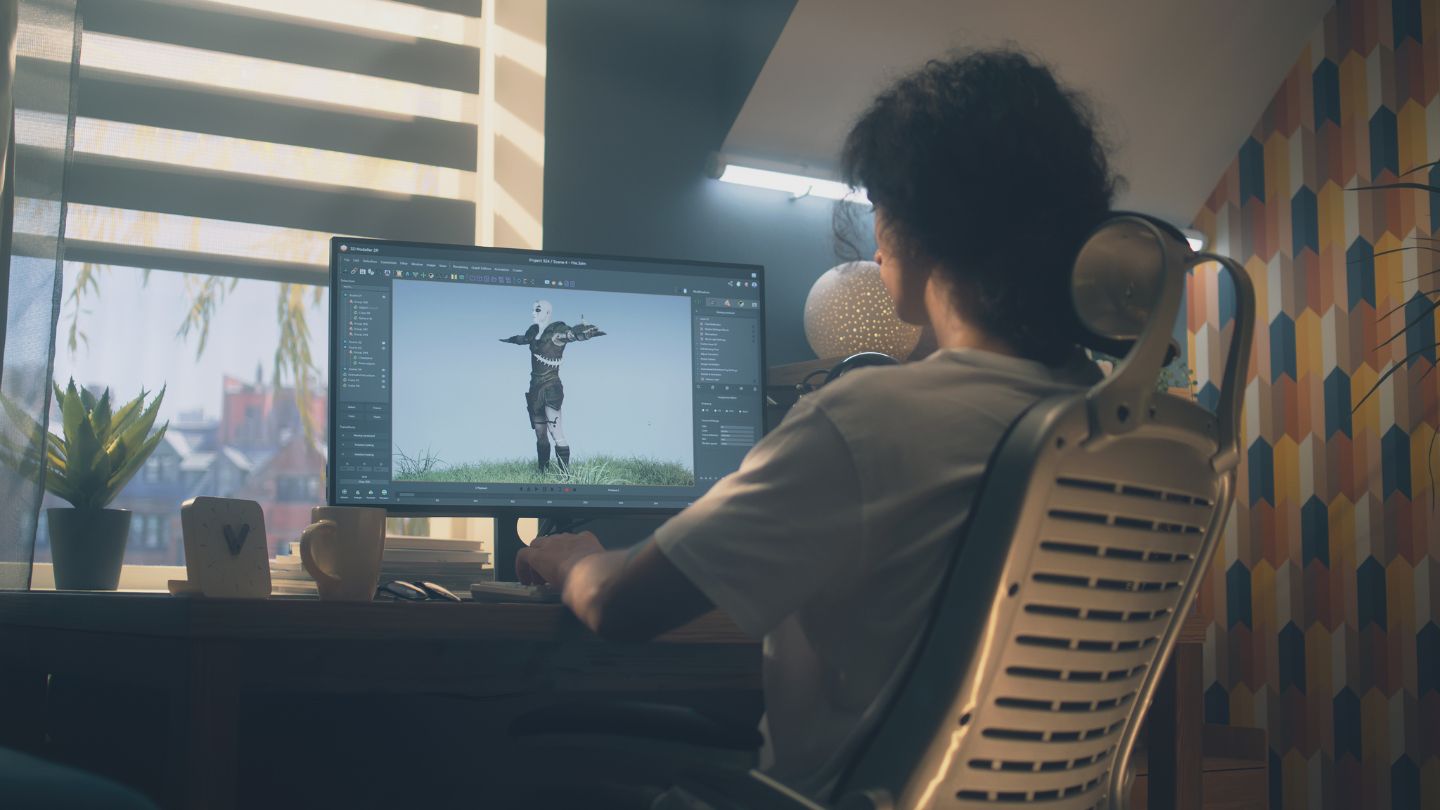
Animation is a vast field that offers many paths for creative exploration. For those drawn to creating immersive worlds, exploring the fundamentals of 3D animation can provide valuable insight into principles, workflows, and techniques that define professional animation. Learning about the essential practices of 3D animation can deepen your understanding of movement, realism, and spatial storytelling. Whether you’re interested in 2D animation, 3D animation, or motion graphics, each specialization allows you to focus on your strengths and artistic passions.
Each specialization has distinct career opportunities, but together, they define the dynamic and evolving landscape of modern animation.
Animation education doesn’t just prepare you for the film or gaming industry; it nurtures universal skills that apply to a wide range of creative disciplines. These include storytelling, teamwork, problem-solving, and time management.
Moreover, animation encourages you to think visually and conceptually, skills that are equally valuable in graphic design, web design, interior design, and multimedia courses. Whether you aim to work in animation production or pursue independent projects, the ability to communicate visually is an asset that transcends industries.
The global animation industry is expanding faster than ever before. With advancements in computer animation, AI-driven design tools, and immersive technologies, the next generation of animators will have even greater creative possibilities.
From creating content for the metaverse to designing interactive digital experiences, professional animation courses prepare you to adapt to these technological shifts. They ensure that you stay relevant and competitive as an artist in a rapidly changing creative landscape.
While it’s possible to experiment with animation independently, professional training gives you structured learning, mentorship, and a clear progression path. An animation class at a professional art school or training center provides access to resources, expert feedback, and real-world projects, elements that self-study alone can’t replicate.
Professional guidance ensures that you not only learn animation techniques but also master animation principles, storytelling, and production workflow. Whether you aspire to join a design studio, launch your own brand, or become an independent animator, formal training gives you the foundation to succeed.
Choosing to pursue an animation course is an investment in your future, one that unlocks creativity, confidence, and countless career opportunities. The reasons you should opt for animation courses go far beyond technical skills; they nurture your imagination, storytelling, and artistic potential. Animation connects ideas, technology, and design in a way that allows your creativity to flourish and find real-world expression.
At Emily Art, we help aspiring artists turn their creativity into a fulfilling career. Our animation courses in Fort Lauderdale are designed to nurture both artistic vision and technical expertise through mentorship, real-world projects, and hands-on learning. Whether you’re exploring 3D animation for immersive storytelling, 2D animation for expressive motion design, or digital still art for visually stunning compositions, Emily Art provides the guidance and creative environment to help you grow as an artist.
Ready to start your journey toward becoming a skilled animator? Contact us today and take the first step toward a creative career that moves the world.
