 Skip to content

Art serves as a bridge between human emotions and creativity, offering endless avenues for expression. The rise of technology has presented modern artists with new choices, creating a lively debate over traditional art vs digital art. Each medium comes with its unique characteristics, capabilities, and challenges. To fully appreciate these art forms, let’s explore their differences, strengths, and the ways they intersect.
Exploring Traditional Art
Traditional art captures human creativity through hands-on approaches like painting, drawing, sculpture, and other physical methods. This art form transcends generations, characterized by its tactile quality and connection to cultural heritage. It holds a timeless appeal that continues to inspire art enthusiasts and collectors alike.
Materials and Techniques
Traditional art relies heavily on materials such as canvas, paint, clay, and other tangible art supplies. Artists work closely with these mediums, often using tools like brushes, pencils, or knives to bring their vision to life. Whether shaping ceramics or adding layers to oil paintings, these traditional tools provide a sensory experience that connects the creator to their artwork deeply.
The Beauty of Traditional Artwork
One of the standout aspects of traditional painting and drawing is the unique imperfections that define each piece. No two oil paintings or charcoal sketches are identical. The character of brushstrokes and the texture of materials like wood or ceramics contribute to the authenticity of traditional work. This tangible quality gives physical art a distinctive presence, often celebrated in galleries and museums.
Challenges and Limitations
Compared to its digital counterpart, traditional art requires a significant investment in supplies. High-quality paint, brushes, canvas, and other materials can cost a considerable amount. Storage and preservation also present unique difficulties, as physical pieces can degrade over time or be affected by environmental factors. Additionally, traditional artmaking takes time and demands a high degree of craftsmanship, with little room for significant errors.
What is Digital Art?

Digital art represents the future of creative expression, harnessing tools like drawing tablets, software, and digital technology to craft incredible works. It is defined by versatility, speed, and innovation, offering artists the ability to push the boundaries of what’s possible. Whether it’s digital painting, motion design, concept art, or graphic design, this medium supports an expansive range of techniques.
Tools for Creation
Digital art thrives through industry-standard design platforms that offer limitless flexibility and creative precision. These digital tools allow for precision, experimentation, and infinite creative freedom. Features like layers, filters, and undo options enable digital artists to achieve breathtaking detail while refining their work with ease.
Innovations and Opportunities
One of the most exciting aspects of digital art is its ability to innovate. Artists can experiment with immersive 3D digital artwork tailored for virtual environments, combining artistic vision with digital innovation. Understanding the future of digital art, emerging trends, and technologies means exploring groundbreaking innovations like artificial intelligence, virtual reality, and interactive design, which continue to redefine how artists create, share, and engage with their work. Whether producing visually stunning animations or crafting realistic digital illustrations for advertising, this medium is central to modern industries ranging from entertainment to commercial branding.
Comparing Digital Art and Traditional Art
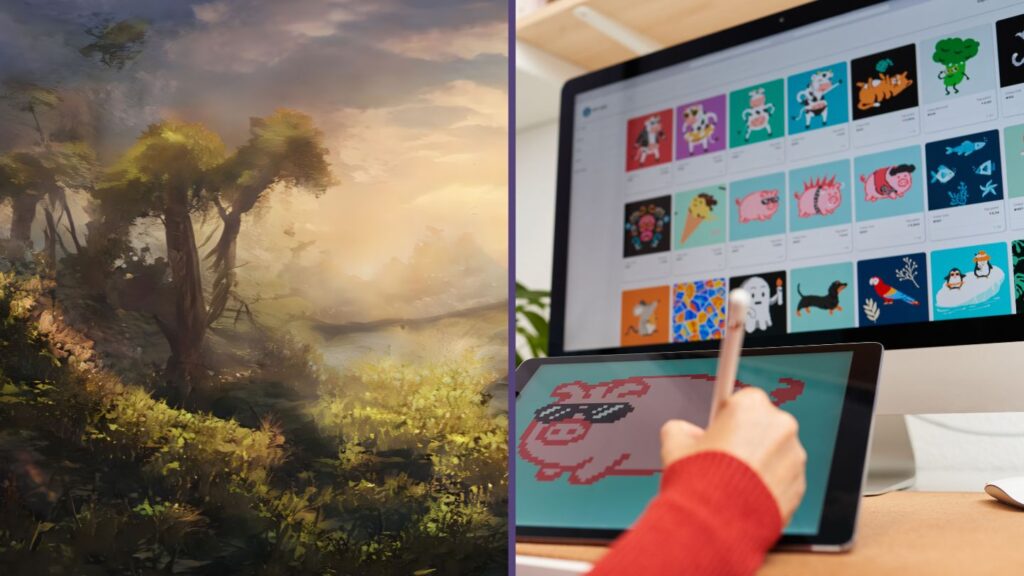
When comparing digital art and traditional art, their major differences lie in their processes, outputs, and accessibility. Each approach has unique strengths that appeal to different kinds of artistic expression, making them suitable for a variety of creative endeavors.
The Process of Creation
Traditional art relies on a hands-on, meditative process. For instance, watercolor painting requires a deep understanding of layering pigments and anticipating how they blend on paper. On the other hand, the creation of digital painting depends on digital techniques that streamline the process. Artists can layer colors, create gradients, or adjust details in seconds, significantly reducing production time.
Presentation and Perception
The final outputs in traditional media come with imperfections and individuality. A traditional painting ages with time, sometimes acquiring cracks or a patina that adds historical value. Digital art, while pristine and replicable, doesn’t naturally carry the same one-of-a-kind status unless printed as a single edition. However, its scalability makes it beneficial for industries like advertising and e-commerce.
Accessibility and Reach
The cost gap is another point of divergence between the media. Traditional artists invest heavily in art supplies such as paint, canvases, and brushes. Meanwhile, the one-time expense of purchasing digital tools often grants long-term accessibility for aspiring digital artists. Sharing and distributing digital media is also far easier, as online platforms enable creators to engage with a global audience instantly.
Application and Utility
Traditional art is often associated with fine art spaces, where collectors value the depth and craft involved in an original piece. Conversely, digital media is indispensable in industries like gaming, filmmaking, and advertising. The ability to create complex animations or design user interfaces demonstrates its significance in today’s art world.
Finding Harmony Between Traditional and Digital Art

Instead of seeing digital art and traditional art as competing forces, many artists today find themselves blending the two. These hybrid approaches open new paths for creativity, granting access to the best characteristics of both media.
Combining Approaches
Some artists begin with physical mediums, such as drawing or traditional painting, and then digitize their works for final refinements. Others may begin digitally and incorporate visual elements inspired by traditional media to enhance depth and storytelling. This interplay allows creators to explore the diverse possibilities provided by both methods.
Supporting Creativity
This philosophy of harmony guides our creative process. Traditional art techniques are combined with modern digital illustration methods to deliver captivating animations, concept art, and other projects. This fusion ensures that every artwork reflects both craftsmanship and innovation, demonstrating the endless potential of today’s art forms.
Read more: Digital Painting for Concept Artists
Choosing a Path Forward
For those exploring artistic expression, the decision between traditional and digital mediums depends on personal style and goals. Artists who thrive on tactile interaction may prefer traditional painting, while those fascinated by innovation or accessibility may gravitate toward digital drawing. Both offer endless room for creativity, as well as unique challenges that build technical and artistic skills.
Learning and experimenting with both forms will not only refine your abilities but also give you a holistic understanding of the creative field. Whether you choose to work with canvas, a tablet, or a combination of both, your artistic voice will continue to grow.
Final Thoughts
The discussion of traditional art vs digital art reflects more than just preference; it is a celebration of how art adapts and evolves over time. Traditional media preserves humanity’s artistic roots, while digital tools allow for bold innovations in the modern world. Both media showcase the limitless bounds of human creativity, inspiring artists to explore new ways of self-expression.
At Emily Art, we celebrate the fusion of these approaches by providing a wide range of creative services, including digital painting, 3D digital artwork, 2D animation, digital still art, animation, and art education. Whether you’re passionate about exploring traditional media or advancing your digital techniques, we encourage you to discover new possibilities with us. Contact us to unleash your creativity and redefine the way you see art.
